

Artificial Intelligence (AI) has emerged as a transformative force across various sectors, and server management is no exception. The integration of AI technologies into server management practices has revolutionized how organizations monitor, maintain, and optimize their server infrastructures. Traditionally, server management relied heavily on manual processes, which were often time-consuming and prone to human error.
However, with the advent of AI, these processes have become more streamlined and efficient. AI systems can analyze vast amounts of data in real-time, enabling administrators to make informed decisions quickly and effectively. The application of AI in server management encompasses a wide range of functionalities, from automating routine tasks to enhancing decision-making processes.
Machine learning algorithms can identify patterns in server performance data, predict potential failures, and suggest optimal configurations. This shift not only reduces the workload for IT teams but also enhances the overall reliability and performance of server systems. As organizations increasingly rely on digital infrastructure to support their operations, the role of AI in server management is becoming more critical than ever.
Key Takeaways
- Artificial Intelligence (AI) is revolutionizing server management by automating tasks and improving efficiency.
- Using AI in server management can lead to benefits such as reduced downtime, improved performance, and cost savings.
- AI improves efficiency in server management by analyzing data, predicting issues, and automating routine tasks.
- AI plays a crucial role in predictive maintenance for servers by identifying potential problems before they occur.
- AI has a significant impact on security in server management by detecting and responding to potential threats in real-time.
- The future of AI in server management is promising, with advancements in machine learning and predictive analytics.
- Challenges and limitations of using AI in server management include data privacy concerns and the need for skilled professionals to manage AI systems.
- Best practices for integrating AI into server management include thorough data analysis, regular updates to AI systems, and ongoing training for IT staff.
The Benefits of Using Artificial Intelligence in Server Management
One of the most significant benefits of incorporating AI into server management is the enhancement of operational efficiency. AI-driven tools can automate repetitive tasks such as software updates, system monitoring, and resource allocation. This automation allows IT personnel to focus on more strategic initiatives rather than getting bogged down by mundane tasks.
For instance, AI can automatically adjust server loads based on real-time traffic patterns, ensuring optimal performance without manual intervention. This not only saves time but also minimizes the risk of human error that can lead to system outages or performance degradation. Moreover, AI contributes to cost savings for organizations by optimizing resource utilization.
By analyzing usage patterns and predicting future demands, AI systems can recommend adjustments to server configurations that reduce energy consumption and hardware costs. For example, an AI system might identify underutilized servers and suggest consolidating workloads onto fewer machines, thereby reducing the overall energy footprint. This proactive approach to resource management not only lowers operational costs but also aligns with sustainability goals that many organizations are striving to achieve.
How Artificial Intelligence Improves Efficiency in Server Management

AI enhances efficiency in server management through its ability to process and analyze large datasets at unprecedented speeds. Traditional monitoring tools often generate alerts based on predefined thresholds, which can lead to alert fatigue among IT staff.
This intelligent filtering allows IT teams to focus on critical issues that require immediate attention while minimizing distractions from less significant alerts. Furthermore, AI can facilitate predictive analytics, enabling organizations to anticipate issues before they escalate into serious problems.
For instance, if a particular server shows signs of increased latency or unusual CPU usage patterns, an AI system can flag this behavior for further investigation. This proactive approach not only reduces downtime but also enhances the overall reliability of server operations.
The Role of Artificial Intelligence in Predictive Maintenance for Servers
Predictive maintenance is one of the most compelling applications of AI in server management. By leveraging machine learning algorithms, organizations can predict when a server is likely to fail or require maintenance based on historical performance data and current operating conditions. This capability allows IT teams to schedule maintenance activities during non-peak hours, minimizing disruption to business operations.
For example, if an AI system detects that a specific hard drive is exhibiting signs of wear and tear, it can alert administrators to replace it before it fails completely. The implementation of predictive maintenance not only extends the lifespan of hardware components but also enhances overall system reliability. By addressing potential issues before they escalate into critical failures, organizations can significantly reduce unplanned downtime and associated costs.
Additionally, predictive maintenance fosters a culture of proactive management within IT teams, encouraging them to adopt a more strategic approach to server upkeep rather than merely reacting to problems as they arise.
The Impact of Artificial Intelligence on Security in Server Management
In an era where cyber threats are becoming increasingly sophisticated, the role of AI in enhancing security within server management cannot be overstated. AI-driven security solutions can analyze network traffic patterns and user behaviors to identify anomalies that may indicate potential security breaches. For instance, if an AI system detects unusual login attempts from unfamiliar IP addresses or sudden spikes in data transfer rates, it can trigger alerts for further investigation or even initiate automated responses to mitigate potential threats.
Moreover, AI can enhance threat detection capabilities by continuously learning from new data and adapting its algorithms accordingly. Traditional security measures often rely on static rules that may not account for evolving threats. In contrast, AI systems can analyze vast amounts of threat intelligence data from various sources, allowing them to recognize emerging attack vectors and respond more effectively.
This dynamic approach to security not only improves the resilience of server infrastructures but also instills greater confidence among stakeholders regarding data protection measures.
The Future of Artificial Intelligence in Server Management
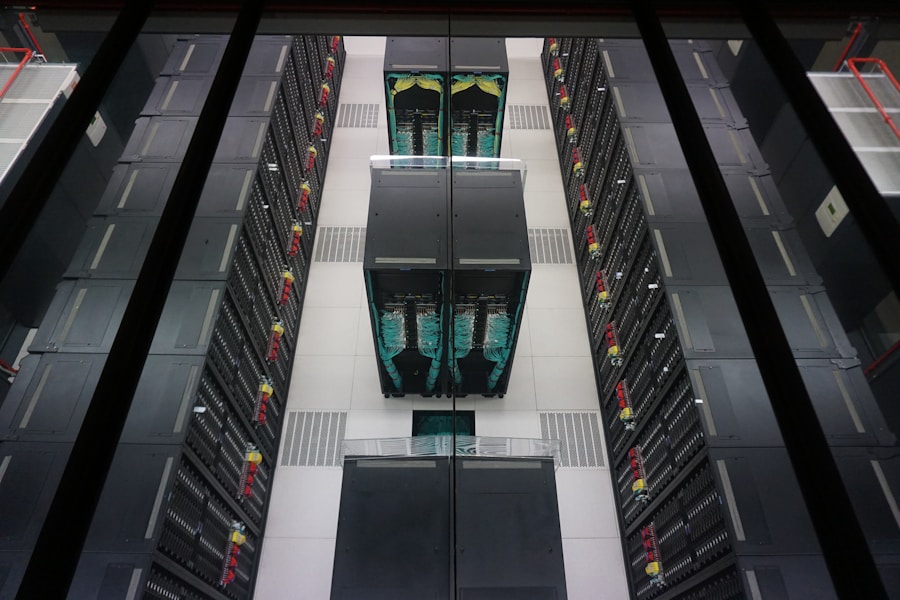
As technology continues to evolve, the future of AI in server management looks promising. One area poised for significant growth is the integration of AI with edge computing. As organizations increasingly adopt edge computing architectures to process data closer to its source, AI will play a crucial role in managing these distributed environments.
AI algorithms will be essential for optimizing resource allocation across multiple edge devices while ensuring seamless communication between them and centralized servers. Additionally, advancements in natural language processing (NLP) will likely enhance the user experience in server management interfaces. IT professionals will be able to interact with AI systems using conversational language, making it easier to query performance metrics or request specific actions without needing extensive technical knowledge.
This democratization of technology will empower a broader range of users within organizations to leverage AI capabilities effectively.
Challenges and Limitations of Using Artificial Intelligence in Server Management
Despite its numerous advantages, the integration of AI into server management is not without challenges. One significant concern is the reliance on high-quality data for training machine learning models. If the data used is incomplete or biased, it can lead to inaccurate predictions and suboptimal decision-making.
Organizations must invest in robust data governance practices to ensure that the information feeding into AI systems is accurate and representative. Another challenge lies in the complexity of implementing AI solutions within existing IT infrastructures. Many organizations may struggle with integrating new AI tools with legacy systems or may lack the necessary expertise to manage these technologies effectively.
Additionally, there is often resistance to change among IT staff who may be apprehensive about adopting new technologies that could disrupt established workflows. Addressing these challenges requires a thoughtful approach that includes training programs and change management strategies.
Best Practices for Integrating Artificial Intelligence into Server Management
To successfully integrate AI into server management practices, organizations should adopt several best practices that facilitate a smooth transition. First and foremost, it is essential to establish clear objectives for what the organization hopes to achieve with AI implementation. Whether the goal is to enhance operational efficiency, improve security measures, or reduce downtime through predictive maintenance, having well-defined objectives will guide the selection of appropriate tools and technologies.
Additionally, investing in training and upskilling IT personnel is crucial for maximizing the benefits of AI integration. Providing staff with opportunities to learn about machine learning concepts and how to leverage AI tools effectively will empower them to make informed decisions and optimize server management processes. Furthermore, organizations should prioritize collaboration between IT teams and data scientists to ensure that AI models are tailored to meet specific operational needs.
Finally, organizations should adopt an iterative approach when implementing AI solutions. Starting with pilot projects allows teams to test the effectiveness of AI tools in real-world scenarios before scaling them across the organization. This phased approach enables organizations to gather feedback, make necessary adjustments, and ultimately achieve a more successful integration of AI into their server management practices.
In a recent article on Snapchat developing parental control features, the importance of utilizing technology to enhance user experience and safety is highlighted. Just like how artificial intelligence is revolutionizing server management, Snapchat is leveraging technology to provide parents with more control over their children’s social media usage. This demonstrates the diverse applications of AI in various industries, showcasing its potential to streamline processes and improve overall efficiency.
FAQs
What is artificial intelligence (AI) in server management?
Artificial intelligence in server management refers to the use of AI technologies, such as machine learning and predictive analytics, to automate and optimize the management of servers and their associated tasks.
What are the benefits of using AI in server management?
Some benefits of using AI in server management include improved efficiency, proactive problem resolution, better resource utilization, and the ability to handle complex and large-scale server environments.
How does AI help in server monitoring and maintenance?
AI can help in server monitoring and maintenance by continuously analyzing server performance data, predicting potential issues, and automatically taking corrective actions to prevent downtime and optimize server performance.
What are some common AI technologies used in server management?
Common AI technologies used in server management include machine learning algorithms for predictive analytics, natural language processing for automated communication, and robotic process automation for automating routine server management tasks.
How does AI contribute to security in server management?
AI contributes to security in server management by detecting and responding to security threats in real-time, identifying patterns of suspicious behavior, and automating security protocols to protect servers from cyber attacks and unauthorized access.
What are the challenges of implementing AI in server management?
Challenges of implementing AI in server management include the need for skilled AI professionals, potential resistance to change from existing server management processes, and concerns about the reliability and accuracy of AI-driven decisions.


 has emerged as a transformative force across various sectors, and server management is no exception. The integration of..)