
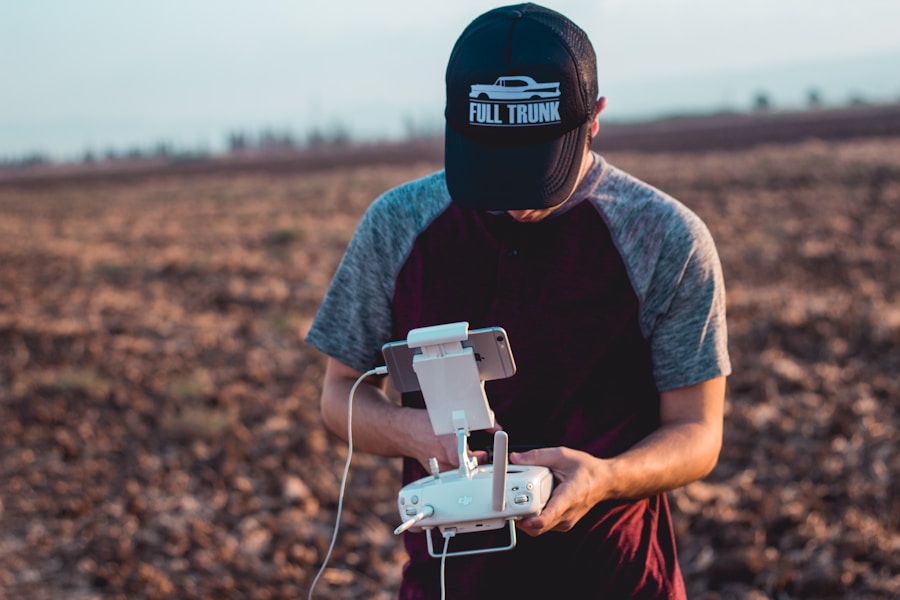
As we delve into the realm of agriculture, we find ourselves at the intersection of tradition and innovation. The agricultural sector, which has long relied on age-old practices, is now experiencing a transformative shift thanks to the advent of artificial intelligence (AI). This technology is not merely a passing trend; it represents a fundamental change in how we approach farming and food production.
By harnessing the power of AI, we can enhance productivity, optimize resource use, and ultimately ensure food security for a growing global population. The integration of AI into agriculture is not just about replacing human labor; it is about augmenting our capabilities. We are witnessing a revolution where data-driven insights are becoming the backbone of decision-making processes on farms.
From predicting weather patterns to analyzing soil health, AI is enabling us to make informed choices that can lead to more sustainable and efficient farming practices. As we explore the various dimensions of AI in agriculture, we will uncover its potential to reshape the industry and address some of the most pressing challenges we face today.
Key Takeaways
- AI in agriculture refers to the use of advanced technologies to improve farming practices and increase efficiency.
- Precision farming with AI can lead to better resource management, increased yields, and reduced environmental impact.
- AI applications in crop management include pest and disease detection, yield prediction, and crop monitoring.
- AI can be used in soil and water management for soil health assessment, irrigation optimization, and water quality monitoring.
- Challenges of AI in agriculture include high initial investment, data privacy concerns, and the need for farmer training and education.
- The future of AI in agriculture looks promising with advancements in robotics, drones, and machine learning algorithms.
- Successful case studies of AI implementation in agriculture include automated harvesting, weed detection, and autonomous tractors.
- Implementing AI in agriculture requires collaboration between farmers, technology providers, and policymakers to ensure sustainable and equitable adoption.
Benefits of AI in Precision Farming
Optimizing Resource Allocation
AI algorithms can analyze satellite imagery and sensor data to determine the optimal amount of water, fertilizers, and pesticides required for each section of a field. This targeted approach not only enhances productivity but also minimizes environmental impact.
Economic Benefits and Market Insights
The economic benefits of precision farming are substantial. By reducing input costs and increasing crop yields, farmers can improve their profitability. Moreover, AI analytics enables farmers to predict market trends and consumer preferences, empowering them to make strategic decisions that align with market demands.
Towards a Sustainable Agricultural Ecosystem
As we adopt precision farming, we are not only enhancing operational efficiency but also contributing to a more sustainable agricultural ecosystem that can adapt to changing climatic conditions. This innovative approach has the potential to transform the agricultural industry, ensuring a more food-secure future for generations to come.
Applications of AI in Crop Management
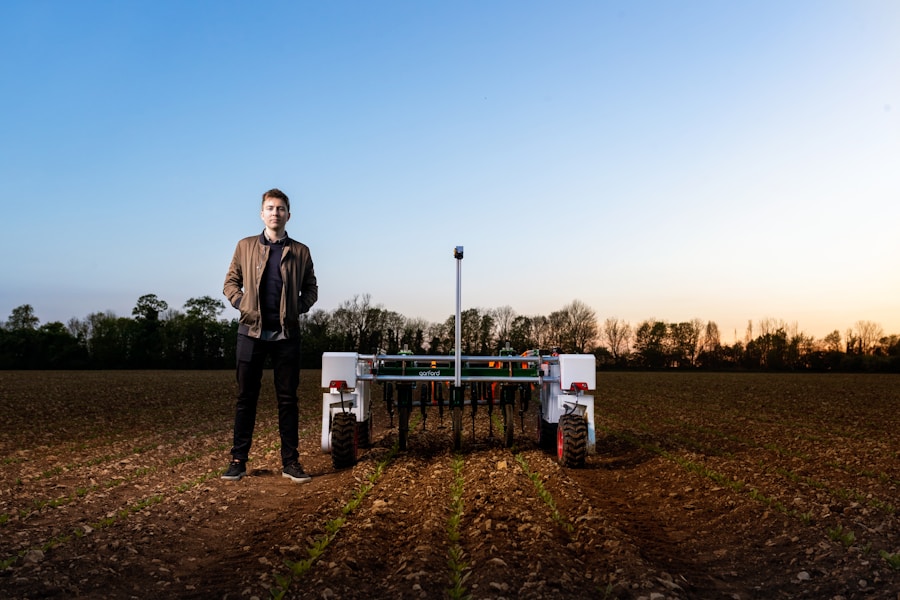
Crop management is another area where AI is making significant strides. We are now able to monitor crop health in real-time using drones equipped with advanced imaging technology. These drones can capture high-resolution images that reveal vital information about plant health, pest infestations, and nutrient deficiencies.
By analyzing this data with AI algorithms, we can identify issues early on and take corrective actions before they escalate into larger problems. This proactive approach to crop management allows us to maintain healthier crops and achieve higher yields. Additionally, AI-driven predictive analytics can help us forecast crop performance based on historical data and current environmental conditions.
By understanding how different variables affect crop growth, we can make informed decisions about planting schedules, irrigation practices, and harvesting times. This level of foresight not only enhances our productivity but also reduces the risks associated with unpredictable weather patterns and market fluctuations. As we continue to explore the applications of AI in crop management, we are unlocking new possibilities for optimizing our agricultural practices.
Use of AI in Soil and Water Management
Soil health is a critical component of successful agriculture, and AI is playing a pivotal role in its management. Through advanced soil sensors and data analytics, we can gain insights into soil composition, moisture levels, and nutrient availability. This information allows us to implement precision irrigation techniques that ensure crops receive the right amount of water at the right time.
By optimizing water usage, we can conserve this precious resource while promoting healthy plant growth. Furthermore, AI can assist us in developing sustainable soil management practices. By analyzing data on soil erosion, compaction, and organic matter content, we can make informed decisions about crop rotation, cover cropping, and other practices that enhance soil health.
The integration of AI into soil management not only improves agricultural productivity but also contributes to environmental sustainability by reducing runoff and promoting biodiversity. As we harness these technologies, we are paving the way for a more resilient agricultural system that can withstand the challenges posed by climate change.
Challenges and Limitations of AI in Agriculture
Despite the numerous benefits that AI brings to agriculture, we must also acknowledge the challenges and limitations associated with its implementation. One significant hurdle is the accessibility of technology for smallholder farmers who may lack the resources or knowledge to adopt AI solutions.
Additionally, data privacy and security concerns pose another challenge. As we collect vast amounts of data from farms, ensuring that this information is protected from unauthorized access becomes paramount. We must establish robust frameworks for data governance that prioritize transparency and trust among farmers and technology providers.
Furthermore, there is a need for ongoing education and training to equip farmers with the skills necessary to leverage AI effectively. Addressing these challenges will be crucial as we move forward in integrating AI into agriculture.
Future of AI in Agriculture
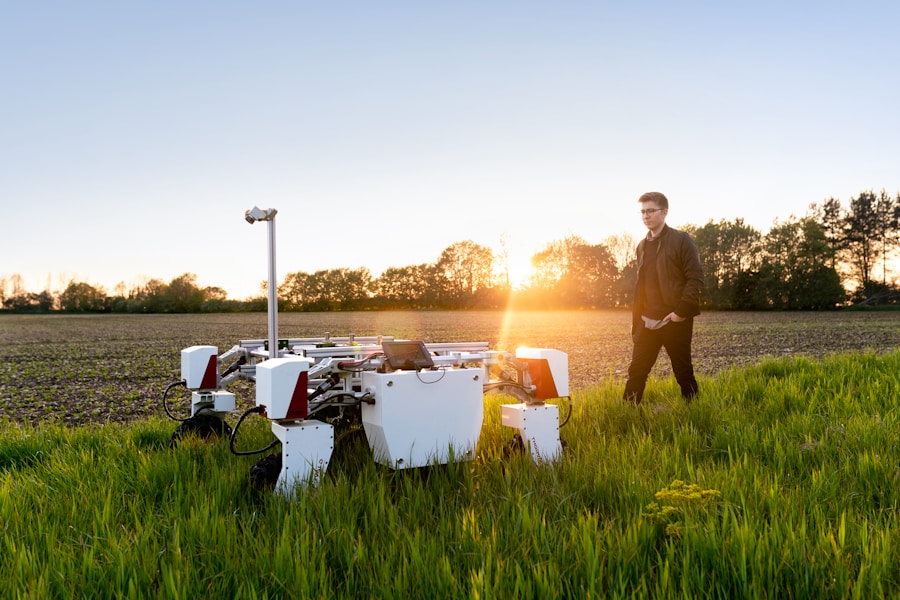
Looking ahead, the future of AI in agriculture appears promising yet complex. As technology continues to evolve, we anticipate even more sophisticated applications that will further enhance our farming practices. The integration of AI with other emerging technologies such as blockchain and the Internet of Things (IoT) will create a more interconnected agricultural ecosystem where data flows seamlessly between devices and platforms.
Moreover, as climate change continues to impact agricultural production, AI will play a vital role in developing adaptive strategies that promote resilience. By analyzing climate data and modeling potential scenarios, we can better prepare for extreme weather events and shifting growing conditions. The future of agriculture will undoubtedly be shaped by our ability to harness these technologies responsibly and sustainably.
Case Studies of Successful Implementation of AI in Agriculture
To illustrate the transformative potential of AI in agriculture, let us examine some successful case studies from around the world.
As a result, they have reported significant reductions in water usage while simultaneously increasing crop yields.
In India, smallholder farmers have benefited from mobile applications powered by AI that provide real-time advice on pest management and crop care. These tools have empowered farmers with knowledge that was previously inaccessible, leading to improved productivity and income levels. Such examples highlight how AI can be tailored to meet the unique needs of different agricultural contexts, ultimately driving positive change across diverse farming communities.
Conclusion and Recommendations for Implementing AI in Agriculture
In conclusion, the integration of AI into agriculture presents an unprecedented opportunity for enhancing productivity, sustainability, and resilience within the sector. However, as we embrace these advancements, it is essential to approach implementation thoughtfully and inclusively. We recommend fostering partnerships between technology providers, agricultural organizations, and farmers to ensure that solutions are accessible and relevant.
Furthermore, investing in education and training programs will be crucial for equipping farmers with the skills needed to navigate this technological landscape effectively. By prioritizing data privacy and security measures, we can build trust among stakeholders while promoting responsible use of technology. As we move forward into this new era of agriculture powered by AI, let us remain committed to creating a future where innovation serves as a catalyst for positive change in our food systems.
Together, we can cultivate a more sustainable and resilient agricultural landscape for generations to come. Written by B6G.NET Team
A related article to AI in Agriculture: Precision Farming and Crop Management can be found in the link Apple Watch Can Tell If You Have a Fever. This article discusses how wearable technology, specifically the Apple Watch, is being used to monitor health indicators such as body temperature. This innovative use of technology showcases the potential for AI to revolutionize not only agriculture but also healthcare and other industries.
FAQs
What is precision farming?
Precision farming, also known as precision agriculture, is a farming management concept that uses technology to optimize crop yields and reduce waste. It involves the use of data, such as GPS, sensors, and drones, to make informed decisions about crop management.
How does AI contribute to precision farming?
AI (Artificial Intelligence) plays a crucial role in precision farming by analyzing large amounts of data collected from various sources, such as satellite imagery, weather patterns, and soil conditions. AI algorithms can provide insights and recommendations for optimizing crop production, irrigation, and pest control.
What are the benefits of using AI in agriculture?
Using AI in agriculture can lead to increased efficiency, reduced resource wastage, and improved crop yields. It can also help farmers make more informed decisions, reduce environmental impact, and ultimately contribute to sustainable farming practices.
What are some examples of AI applications in crop management?
AI applications in crop management include predictive analytics for disease and pest control, automated irrigation systems, and precision planting techniques. AI can also be used for monitoring crop health, identifying nutrient deficiencies, and optimizing fertilizer usage.
How accessible is AI technology for farmers in agriculture?
AI technology for agriculture is becoming increasingly accessible to farmers, thanks to the development of user-friendly platforms and the availability of affordable hardware such as drones and sensors. Many companies also offer AI-based farming solutions tailored to the specific needs of different crops and regions.


