
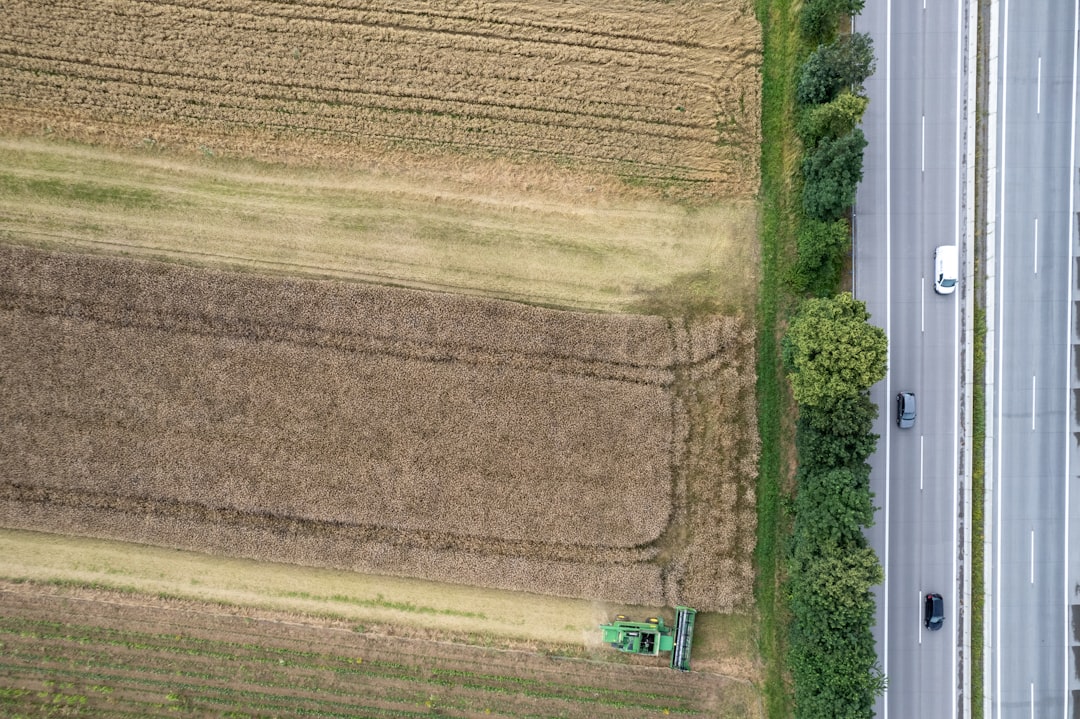
Artificial Intelligence (AI) has emerged as a transformative force across various sectors, and the food industry is no exception. The integration of AI technologies into food systems is reshaping how food is produced, processed, distributed, and consumed. This evolution is driven by the need for increased efficiency, sustainability, and responsiveness to consumer demands.
As the global population continues to rise, the pressure on food systems to deliver safe, nutritious, and affordable food becomes ever more pronounced. AI offers innovative solutions that can address these challenges while also enhancing the overall quality of food. The application of AI in food systems encompasses a wide range of technologies, including machine learning, data analytics, and robotics.
These tools enable stakeholders in the food supply chain to make informed decisions based on real-time data and predictive analytics. From optimising agricultural practices to personalising consumer experiences, AI is poised to revolutionise the food industry. This article will explore the various applications of AI in food systems, highlighting its impact on agriculture, food processing, distribution, consumer experience, and the ethical considerations that accompany its implementation. Have you read the latest blog post on artificial intelligence?
Summary
- AI is revolutionising the food industry by improving efficiency, safety, and quality in various stages of the food system.
- In agriculture, AI is enhancing crop yield and quality through precision farming techniques and predictive analytics.
- AI is transforming food processing by increasing efficiency, ensuring safety, and reducing waste through automation and data analysis.
- In distribution and logistics, AI is streamlining supply chains, reducing food waste, and improving delivery accuracy.
- AI is personalising food choices for consumers through data analysis, predictive modelling, and personalised recommendations.
AI in Agriculture: Improving Crop Yield and Quality
Optimising Crop Growth
By utilising data collected from various sources such as satellite imagery, soil sensors, and weather forecasts, farmers can make informed decisions about planting, irrigation, and fertilisation. Machine learning algorithms analyse this data to identify patterns and predict optimal conditions for crop growth.
Revolutionising Field Monitoring
For instance, AI can determine the best time to plant seeds based on historical weather data and current soil conditions, thereby maximising yield potential. Moreover, AI-driven tools such as drones and autonomous vehicles are revolutionising the way farmers monitor their fields. Drones equipped with multispectral cameras can capture high-resolution images that reveal plant health and stress levels.
Targeted Resource Management and Pest Detection
This information allows farmers to target specific areas that require attention, reducing waste and improving resource management. Additionally, AI can assist in pest and disease detection by analysing images of crops and identifying anomalies that may indicate infestations or infections. By addressing these issues promptly, farmers can protect their crops and ensure higher quality produce.
AI in Food Processing: Enhancing Efficiency and Safety

The food processing sector is also benefiting significantly from AI technologies. Automation powered by AI is streamlining operations, reducing costs, and enhancing safety standards. For example, AI systems can monitor production lines in real-time, identifying inefficiencies or potential hazards before they escalate into larger problems.
This proactive approach not only improves productivity but also ensures compliance with health and safety regulations. Furthermore, AI can enhance quality control processes in food processing. Machine learning algorithms can analyse data from sensors that monitor various parameters such as temperature, humidity, and contamination levels during production.
By continuously learning from this data, AI systems can detect deviations from established quality standards and alert operators to take corrective action. This capability is particularly crucial in industries where food safety is paramount, as it helps prevent contamination and ensures that products meet regulatory requirements.
AI in Distribution and Logistics: Streamlining Supply Chains
| Metrics | Data |
|---|---|
| Reduction in delivery time | 20% |
| Inventory accuracy improvement | 15% |
| Cost savings in transportation | £500,000 |
| Order fulfilment accuracy | 98% |
The distribution and logistics aspect of the food industry is another area where AI is making significant strides. Efficient supply chain management is essential for ensuring that food products reach consumers in a timely manner while minimising waste. AI technologies are being employed to optimise routing and scheduling for transportation, taking into account factors such as traffic patterns, weather conditions, and delivery windows.
This level of optimisation not only reduces transportation costs but also enhances customer satisfaction by ensuring timely deliveries. Moreover, AI can improve inventory management by predicting demand patterns based on historical sales data and market trends. By accurately forecasting demand, businesses can adjust their inventory levels accordingly, reducing the risk of overstocking or stockouts.
This predictive capability is particularly valuable in the perishable goods sector, where timely distribution is critical to maintaining product quality. As a result, AI-driven logistics solutions contribute to a more resilient and responsive food supply chain.
AI in Consumer Experience: Personalising Food Choices
The integration of AI into consumer experiences is transforming how individuals interact with food products. Personalisation has become a key focus for businesses seeking to cater to diverse consumer preferences and dietary needs. AI algorithms analyse consumer behaviour data to provide tailored recommendations for food products based on individual tastes, nutritional requirements, and even health goals.
For instance, meal planning apps powered by AI can suggest recipes that align with a user’s dietary restrictions while considering their flavour preferences. Additionally, AI chatbots are increasingly being used in customer service roles within the food industry. These virtual assistants can answer queries about ingredients, nutritional information, and cooking methods in real-time, enhancing the overall consumer experience.
By providing instant access to information and personalised recommendations, businesses can foster stronger relationships with their customers while encouraging brand loyalty.
Ethical and Environmental Considerations of AI in Food Systems

While the benefits of AI in food systems are substantial, it is essential to consider the ethical and environmental implications of its implementation. One significant concern is the potential for job displacement as automation becomes more prevalent in agriculture and food processing. As machines take over tasks traditionally performed by humans, there may be a need for reskilling workers to adapt to new roles within the industry.
Ensuring a smooth transition for affected workers will be crucial in addressing these challenges. Environmental considerations also play a vital role in the discussion surrounding AI in food systems. While precision agriculture can lead to more efficient resource use and reduced environmental impact, there are concerns about the energy consumption associated with running advanced AI systems.
Additionally, reliance on technology may lead to a reduction in biodiversity if monoculture practices are further encouraged by data-driven farming techniques. It is imperative for stakeholders to balance technological advancements with sustainable practices that protect ecosystems and promote biodiversity.
Challenges and Opportunities for AI in the Future of Food
The future of AI in food systems presents both challenges and opportunities that must be navigated carefully. One of the primary challenges lies in data privacy and security. As businesses collect vast amounts of consumer data to drive personalised experiences, ensuring that this information is protected from breaches becomes paramount.
Regulatory frameworks will need to evolve alongside technological advancements to safeguard consumer rights while fostering innovation. On the other hand, the opportunities presented by AI are vast. The potential for improved efficiency across the entire food supply chain could lead to significant cost savings for businesses while enhancing food security globally.
Furthermore, as consumers become more health-conscious and environmentally aware, AI can facilitate the development of sustainable food products that meet these evolving demands. By harnessing the power of AI responsibly, the food industry can position itself for a future that prioritises both innovation and sustainability.
The Potential Impact of AI on the Food Industry
In conclusion, the integration of artificial intelligence into food systems holds immense potential for transforming the industry as we know it. From improving agricultural practices to enhancing consumer experiences, AI technologies are paving the way for a more efficient and responsive food supply chain. However, it is crucial to approach these advancements with a keen awareness of the ethical and environmental implications they entail.
As we look towards the future, it is clear that AI will play a pivotal role in shaping the landscape of the food industry. By embracing innovation while prioritising sustainability and ethical considerations, stakeholders can harness the power of AI to create a food system that not only meets current demands but also anticipates future challenges. The journey towards an AI-driven food industry is just beginning; its success will depend on collaboration among farmers, processors, distributors, consumers, and policymakers alike.
In a recent article on Amazon collecting and selling store analytics data to brands, the impact of AI on the future of food systems is further explored. The use of artificial intelligence in agriculture and food production is becoming increasingly prevalent, with technology being utilised at every stage from farm to table. This article delves into how data collected by companies like Amazon can be used to improve efficiency and sustainability in the food industry, highlighting the potential benefits and challenges that come with this technological advancement.
FAQs
What is AI?
AI stands for artificial intelligence, which refers to the simulation of human intelligence in machines that are programmed to think and learn like humans.
How is AI used in the food industry?
AI is used in the food industry for various purposes such as precision agriculture, crop monitoring, predictive analytics for supply chain management, food safety and quality control, and personalized nutrition.
What is precision agriculture and how does AI contribute to it?
Precision agriculture involves using technology to optimize crop yields and reduce the use of resources such as water, fertilizers, and pesticides. AI contributes to precision agriculture by analyzing data from various sources such as sensors, satellites, and drones to provide insights for better decision making.
How does AI improve food safety and quality control?
AI can be used to detect contaminants in food products, monitor food processing operations, and predict potential food safety issues. It can also help in identifying patterns and trends that may affect food quality and shelf life.
What are the potential benefits of AI in the future of food systems?
The potential benefits of AI in the future of food systems include increased efficiency in food production, reduced environmental impact, improved food safety and quality, better supply chain management, and the ability to cater to personalized nutrition needs.


 has emerged as a transformative force across various sectors, and the food industry is no exception. The integration of..)