
The advent of artificial intelligence (AI) has ushered in a new era in various sectors, and disaster management is no exception. As natural disasters become increasingly frequent and severe due to climate change and urbanisation, the need for effective disaster management strategies has never been more pressing. AI technologies offer innovative solutions that can enhance the efficiency and effectiveness of disaster preparedness, response, and recovery efforts.
By harnessing vast amounts of data and employing sophisticated algorithms, AI can provide insights that were previously unattainable, thereby transforming how we approach disaster management. AI’s integration into disaster management encompasses a wide range of applications, from predicting potential disasters to optimising response strategies and facilitating recovery efforts. The ability to analyse real-time data from various sources, including social media, satellite imagery, and sensor networks, allows for a more comprehensive understanding of disaster dynamics.
This article will explore the multifaceted role of AI in disaster management, examining its applications in prediction, response, recovery, and the associated benefits and challenges. Furthermore, it will highlight successful case studies and consider the ethical implications of deploying AI technologies in this critical field. Have you read the latest blog post on artificial intelligence?
Summary
- AI has the potential to revolutionize disaster management by improving prediction, response, and recovery efforts.
- AI can analyse vast amounts of data to identify patterns and predict disasters such as earthquakes, floods, and wildfires with greater accuracy.
- In disaster response, AI can help in coordinating rescue efforts, assessing damage, and identifying areas in need of immediate assistance.
- AI can aid in disaster recovery by analysing infrastructure damage, prioritising reconstruction efforts, and allocating resources efficiently.
- The benefits of AI in disaster management include improved efficiency and effectiveness, but challenges such as data privacy and bias must be carefully considered.
The Use of AI in Disaster Prediction
One of the most significant contributions of AI to disaster management lies in its predictive capabilities. Traditional methods of disaster prediction often rely on historical data and statistical models, which can be limited in their accuracy and timeliness. In contrast, AI algorithms can process vast datasets from diverse sources, including meteorological data, geological surveys, and social media feeds, to identify patterns and trends that may indicate an impending disaster.
For instance, machine learning models can analyse weather patterns to predict hurricanes or floods with greater precision than conventional methods. Moreover, AI can enhance early warning systems by providing real-time updates and alerts based on evolving conditions. By integrating AI with Internet of Things (IoT) devices, such as sensors that monitor environmental changes, authorities can receive immediate notifications about potential threats.
This proactive approach not only allows for timely evacuations but also enables communities to prepare more effectively for disasters. The ability to anticipate disasters through AI-driven predictions can significantly reduce loss of life and property damage.
AI’s Role in Disaster Response

In the aftermath of a disaster, the speed and effectiveness of the response can be critical in saving lives and minimising damage. AI technologies play a pivotal role in streamlining disaster response efforts by facilitating coordination among various agencies and optimising resource allocation. For example, AI-powered platforms can analyse data from multiple sources to identify the most affected areas and prioritise response efforts accordingly.
This ensures that resources are deployed where they are needed most urgently. Additionally, AI can assist in logistics management during disaster response operations. By employing algorithms that optimise supply chain processes, responders can ensure that essential supplies reach affected populations quickly and efficiently.
Drones equipped with AI capabilities can also be deployed to assess damage in hard-to-reach areas, providing real-time imagery that aids decision-making. The integration of AI into response strategies not only enhances operational efficiency but also improves situational awareness for emergency responders.
AI’s Contribution to Disaster Recovery
| Disaster Type | AI Contribution |
|---|---|
| Earthquakes | Early warning systems, damage assessment, and rescue operations |
| Floods | Monitoring, prediction, and response coordination |
| Wildfires | Fire detection, prediction, and resource allocation |
| Hurricanes | Forecasting, evacuation planning, and infrastructure resilience |
The recovery phase following a disaster is often prolonged and complex, requiring careful planning and resource management. AI can significantly contribute to this phase by providing insights that inform recovery strategies and facilitate rebuilding efforts. For instance, AI algorithms can analyse post-disaster data to assess damage levels across different regions, helping authorities prioritise recovery initiatives based on need.
This data-driven approach ensures that resources are allocated effectively to support the most vulnerable communities. Furthermore, AI can assist in monitoring recovery progress over time. By analysing data related to infrastructure restoration, economic recovery, and community well-being, stakeholders can evaluate the effectiveness of their efforts and make necessary adjustments.
This continuous feedback loop enables a more adaptive recovery process that responds to changing circumstances on the ground. Ultimately, AI’s role in disaster recovery not only accelerates the rebuilding process but also fosters resilience within communities.
The Benefits and Challenges of AI in Disaster Management
The integration of AI into disaster management offers numerous benefits that can enhance overall effectiveness. One of the primary advantages is the ability to process large volumes of data quickly and accurately, leading to more informed decision-making. Additionally, AI can improve communication among various stakeholders involved in disaster management, fostering collaboration and coordination during critical times.
The predictive capabilities of AI also enable proactive measures that can mitigate the impact of disasters before they occur. However, the implementation of AI in disaster management is not without its challenges. One significant concern is the reliance on data quality; inaccurate or incomplete data can lead to erroneous predictions and ineffective responses.
Furthermore, there are concerns regarding the ethical implications of using AI technologies, particularly in terms of privacy and surveillance. The potential for bias in AI algorithms also raises questions about fairness and equity in disaster response efforts. Addressing these challenges is essential to ensure that AI serves as a beneficial tool rather than a hindrance in disaster management.
Case Studies: Successful Implementation of AI in Disaster Management
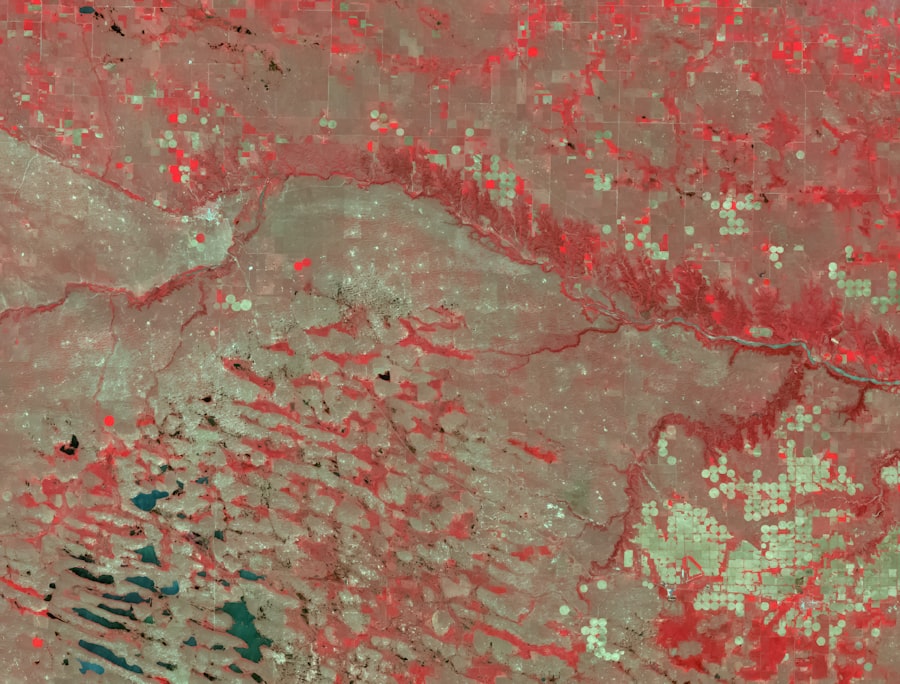
Several case studies illustrate the successful application of AI in disaster management across different contexts. One notable example is the use of machine learning algorithms by the National Oceanic and Atmospheric Administration (NOAA) in the United States to improve hurricane forecasting. By analysing historical hurricane data alongside real-time meteorological information, NOAA has enhanced its predictive capabilities, resulting in more accurate forecasts that have saved lives during hurricane events.
Another compelling case is the deployment of AI-driven drones during the 2017 earthquake in Mexico City. These drones were used to assess damage in real-time, providing emergency responders with critical information about affected areas. The rapid assessment enabled authorities to prioritise rescue operations effectively and allocate resources where they were most needed.
Such examples highlight how AI technologies can be leveraged to improve disaster management outcomes significantly.
The Future of AI in Disaster Management
Looking ahead, the future of AI in disaster management appears promising as advancements in technology continue to evolve. The integration of AI with emerging technologies such as blockchain and augmented reality could further enhance disaster preparedness and response capabilities. For instance, blockchain technology could facilitate secure data sharing among various stakeholders involved in disaster management, ensuring transparency and accountability.
Moreover, as machine learning algorithms become more sophisticated, their predictive accuracy is expected to improve significantly. This could lead to even more effective early warning systems that provide timely alerts for a wider range of disasters. Additionally, as communities increasingly embrace smart city initiatives, the incorporation of AI into urban planning could enhance resilience against future disasters by identifying vulnerabilities and implementing preventative measures.
Ethical Considerations in the Use of AI for Disaster Management
While the potential benefits of AI in disaster management are substantial, ethical considerations must be carefully addressed to ensure responsible implementation. One primary concern is the issue of data privacy; the collection and analysis of personal data during disasters raise questions about consent and surveillance. It is crucial for authorities to establish clear guidelines regarding data usage to protect individuals’ rights while still leveraging valuable insights for disaster management.
Furthermore, addressing algorithmic bias is essential to ensure equitable outcomes in disaster response efforts. If AI systems are trained on biased datasets or lack diversity in their development teams, they may inadvertently perpetuate inequalities in how resources are allocated or how communities are served during disasters. Ensuring transparency in algorithmic decision-making processes will be vital for building trust among stakeholders and ensuring that all communities receive fair treatment during times of crisis.
In conclusion, while artificial intelligence holds immense potential for transforming disaster management practices, it is imperative that its implementation is approached with caution and ethical consideration. By addressing challenges related to data quality, privacy concerns, and algorithmic bias, stakeholders can harness the power of AI to create more resilient communities capable of effectively responding to and recovering from disasters.
In a recent article discussing the role of AI in disaster prediction, response, and recovery, it is evident that technology plays a crucial role in mitigating the impact of natural disasters. One related article that highlights the importance of technology in another sector is Volvo bringing realistic graphics to its electric cars. This article showcases how advancements in technology are revolutionising the automotive industry, much like how AI is transforming disaster management. It is clear that embracing technology is essential in various fields to improve efficiency and effectiveness.
FAQs
What is the role of AI in disaster prediction?
AI plays a crucial role in disaster prediction by analysing large amounts of data to identify patterns and trends that can help predict natural disasters such as earthquakes, hurricanes, and floods. This can help authorities and communities prepare and take necessary precautions to mitigate the impact of these disasters.
How does AI contribute to disaster response?
AI contributes to disaster response by analysing real-time data from various sources such as social media, satellite imagery, and sensors to provide insights on the extent of the disaster, identify areas in need of immediate assistance, and help in coordinating rescue and relief efforts.
What role does AI play in disaster recovery?
AI plays a role in disaster recovery by helping in the assessment of damage, prioritising recovery efforts, and optimising resource allocation. It can also assist in the planning and rebuilding of infrastructure and communities in a more resilient and sustainable manner.
What are the benefits of using AI in disaster management?
The benefits of using AI in disaster management include improved prediction accuracy, faster response times, better resource allocation, and more efficient recovery efforts. AI can also help in reducing human error and providing valuable insights for decision-making during and after a disaster.


