
Cultural heritage encompasses the traditions, customs, artefacts, and historical narratives that define a community or society. It serves as a vital link to our past, providing insight into the values, beliefs, and practices of those who came before us. The preservation of cultural heritage is essential not only for maintaining a sense of identity and continuity but also for fostering understanding and respect among diverse cultures.
As societies evolve and face various challenges, the need to safeguard these cultural treasures becomes increasingly pressing. The significance of preserving cultural heritage extends beyond mere nostalgia; it plays a crucial role in education, tourism, and community development. By protecting and promoting cultural heritage, we can enhance social cohesion and encourage intercultural dialogue.
However, the task of preserving such a rich tapestry of human experience is fraught with challenges, particularly in an age marked by rapid technological advancement and globalization. As we navigate these complexities, it is imperative to explore innovative methods that can aid in the preservation of our cultural legacy. Have you read the latest blog post on artificial intelligence?
Summary
- Preserving cultural heritage is crucial for maintaining the identity and history of a society.
- Technology plays a significant role in cultural preservation by providing innovative solutions for conservation and access.
- Digitization of cultural artifacts and documents allows for their preservation and wider accessibility.
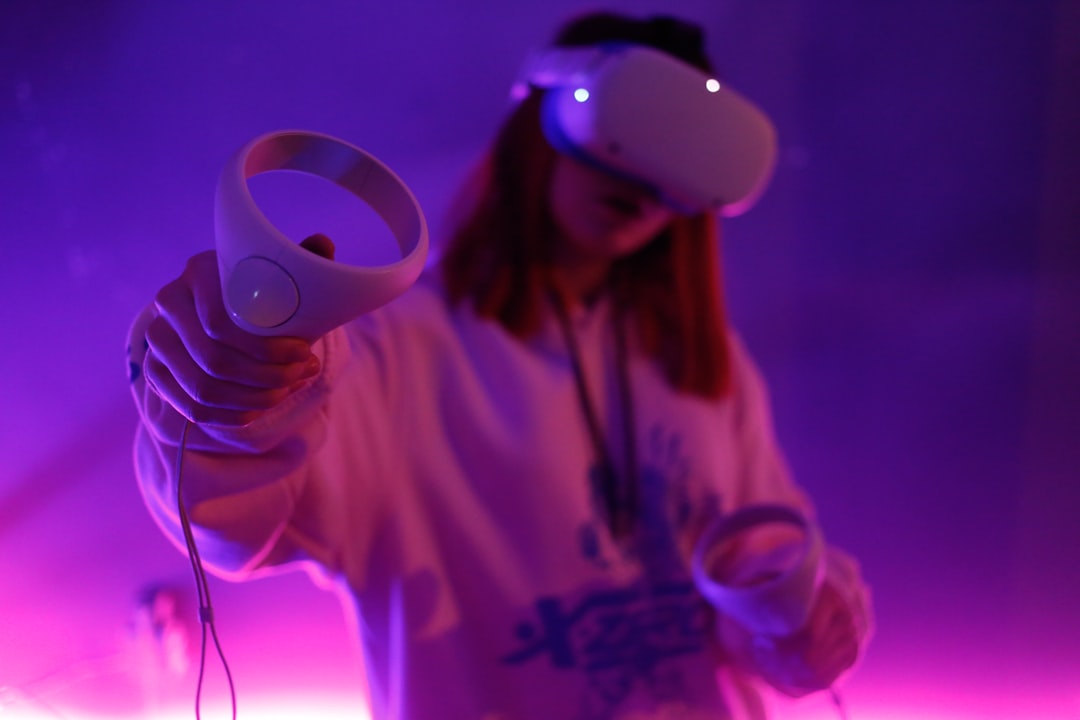
- Virtual reality and augmented reality offer immersive experiences for preserving and showcasing cultural heritage.
- 3D scanning and printing technology enables the replication and conservation of cultural artifacts.
The Role of Technology in Cultural Preservation
In recent years, technology has emerged as a powerful ally in the quest to preserve cultural heritage. The integration of digital tools and methodologies has transformed traditional preservation practices, enabling more effective documentation, conservation, and dissemination of cultural artefacts. From high-resolution imaging to advanced data management systems, technology offers unprecedented opportunities to safeguard our cultural legacy for future generations.
One of the most significant advantages of employing technology in cultural preservation is its ability to enhance accessibility. Digital platforms allow individuals from around the world to engage with cultural heritage in ways that were previously unimaginable. This democratization of access not only fosters a greater appreciation for diverse cultures but also encourages collaborative efforts in preservation.
As institutions and communities embrace technological innovations, they can create more inclusive narratives that reflect the multifaceted nature of cultural heritage.
Digitization of Cultural Artifacts and Documents

The digitization of cultural artefacts and documents has revolutionised the way we preserve and share our heritage. By converting physical items into digital formats, museums, libraries, and archives can create virtual collections that are easily accessible to a global audience. This process not only safeguards fragile items from deterioration but also ensures that they can be appreciated by future generations, regardless of geographical limitations.
Moreover, digitisation facilitates the creation of comprehensive databases that can be used for research and educational purposes. Scholars and students can access a wealth of information at their fingertips, enabling them to study cultural artefacts in greater depth than ever before. Additionally, digitised collections can be enhanced with interactive features, such as multimedia presentations and virtual tours, which enrich the user experience and foster a deeper understanding of cultural contexts.
Virtual Reality and Augmented Reality in Cultural Preservation
| Metrics | Data |
|---|---|
| Number of cultural heritage sites preserved | 50 |
| Percentage increase in visitor engagement | 30% |
| Cost savings compared to traditional preservation methods | 40% |
| Number of virtual reality tours created | 100 |
Virtual reality (VR) and augmented reality (AR) technologies have opened new avenues for experiencing cultural heritage in immersive ways. VR allows users to step into meticulously recreated environments, offering a unique opportunity to explore historical sites or events as if they were physically present. This immersive experience can significantly enhance educational initiatives, making learning about history and culture more engaging and impactful.
AR, on the other hand, overlays digital information onto the real world, providing users with contextual insights as they interact with physical artefacts or locations. For instance, visitors to a museum can use AR applications on their smartphones to access additional information about exhibits or view reconstructions of historical scenes. These technologies not only enrich the visitor experience but also serve as powerful tools for storytelling, allowing cultural narratives to be conveyed in dynamic and interactive ways.
3D Scanning and Printing in Cultural Heritage Conservation
3D scanning and printing technologies have emerged as invaluable resources in the field of cultural heritage conservation. By creating precise digital replicas of artefacts, conservators can study and analyse items without risking damage to the originals. This non-invasive approach allows for detailed examination and documentation while preserving the integrity of fragile objects.
Furthermore, 3D printing enables the reproduction of artefacts for educational purposes or public display. These replicas can be used in exhibitions or as teaching tools in schools, allowing individuals to engage with cultural heritage in a tactile manner. The ability to create accurate replicas also raises important questions about authenticity and ownership, prompting discussions about how best to balance preservation with accessibility.
Online Platforms for Accessing and Sharing Cultural Heritage
Reaching Wider Audiences
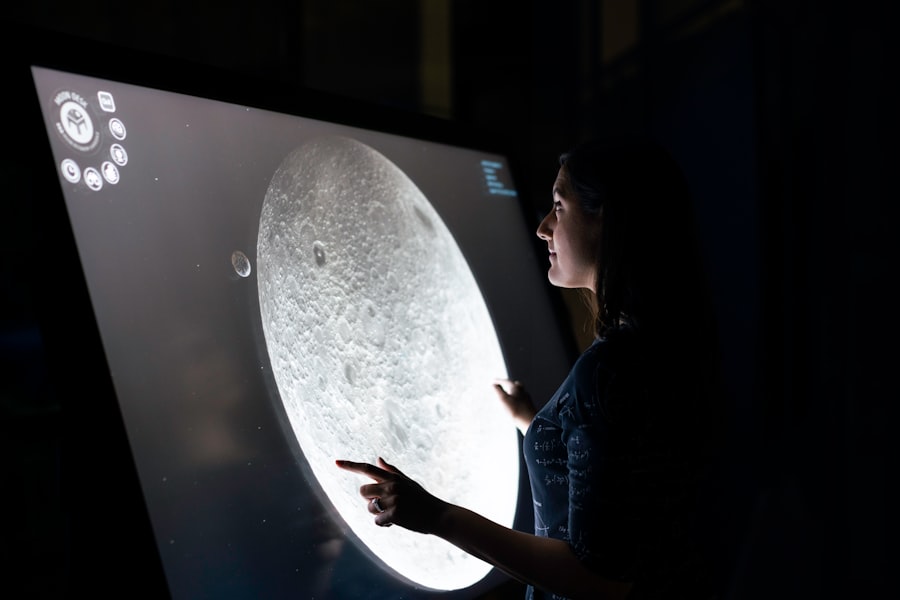
Online platforms enable cultural institutions to reach wider audiences than ever before. By sharing digitised collections and educational resources online, museums and archives can attract visitors who may not have the means or opportunity to visit in person. Additionally, social media serves as a powerful tool for raising awareness about cultural heritage issues and fostering community engagement.
Preserving Cultural Legacies
Through online campaigns and interactive content, organisations can inspire individuals to take an active role in preserving their cultural legacies.
Fostering Collaboration and Engagement
These digital platforms also facilitate collaboration among institutions, scholars, and communities, encouraging the sharing of knowledge and expertise to promote a deeper understanding of cultural heritage.
Challenges and Ethical Considerations in Using Technology for Cultural Preservation
While technology offers numerous benefits for cultural preservation, it also presents challenges and ethical considerations that must be addressed. One significant concern is the potential for digital divide; not all communities have equal access to technology or the internet. This disparity can exacerbate existing inequalities in cultural representation and access to heritage resources.
Moreover, the use of technology raises questions about ownership and intellectual property rights. As cultural artefacts are digitised and shared online, issues surrounding consent and representation become increasingly complex. It is essential for institutions to engage with communities in meaningful ways, ensuring that their voices are heard in decisions regarding the preservation and presentation of their cultural heritage.
Ethical considerations must guide technological initiatives to ensure that they serve the interests of all stakeholders involved.
Future Prospects and Innovations in Cultural Heritage Preservation
Looking ahead, the future of cultural heritage preservation is likely to be shaped by ongoing technological advancements and innovative approaches. As artificial intelligence (AI) continues to evolve, it may play a pivotal role in analysing vast amounts of data related to cultural artefacts, identifying patterns, and generating insights that can inform preservation strategies. Additionally, collaborative projects that harness crowd-sourcing techniques could empower communities to contribute their knowledge and expertise to preservation efforts.
By involving local populations in the documentation and sharing of their cultural heritage, we can create more inclusive narratives that reflect diverse perspectives. In conclusion, the intersection of technology and cultural heritage preservation presents both opportunities and challenges. As we embrace innovative tools and methodologies, it is crucial to remain mindful of ethical considerations and strive for inclusivity in our efforts.
By doing so, we can ensure that our rich tapestry of cultural heritage is preserved for future generations while fostering understanding and appreciation among diverse communities worldwide.
In a recent article on Google launching the Google TV app for iPhone and iPad, the role of technology in preserving cultural heritage is further highlighted. This new app allows users to access a wide range of content, including documentaries and educational programs that can help in spreading awareness about different cultures and traditions. By leveraging technology in this way, we can ensure that valuable cultural heritage is not lost or forgotten, but instead shared and celebrated with a global audience.
FAQs
What is the role of technology in preserving cultural heritage?
Technology plays a crucial role in preserving cultural heritage by providing tools for documentation, conservation, restoration, and dissemination of cultural artifacts and traditions.
How does technology aid in the documentation of cultural heritage?
Technology such as 3D scanning, photogrammetry, and GIS (Geographic Information Systems) allows for accurate and detailed documentation of cultural heritage sites, artifacts, and traditions.
What are some examples of how technology is used in the conservation and restoration of cultural heritage?
Technology is used in the conservation and restoration of cultural heritage through methods such as digital reconstruction, non-invasive imaging techniques, and advanced materials for preservation.
How does technology help in the dissemination of cultural heritage?
Technology enables the dissemination of cultural heritage through digital archives, virtual reality experiences, online exhibitions, and interactive educational resources.
What are the challenges of using technology in preserving cultural heritage?
Challenges of using technology in preserving cultural heritage include the need for specialised expertise, funding for technology implementation, and the ethical considerations of digital representation of cultural artifacts.


