
In recent years, the healthcare landscape has undergone a significant transformation, largely driven by the advent of personalized technology. This shift is characterised by a move away from a one-size-fits-all approach to a more tailored methodology that considers individual patient needs, preferences, and genetic profiles. The rise of personalised technology has been facilitated by advancements in data analytics, artificial intelligence, and wearable devices, all of which contribute to a more nuanced understanding of health and wellness.
As healthcare providers increasingly recognise the importance of individualised care, the integration of these technologies is becoming essential for improving patient outcomes. The growing emphasis on personalised healthcare is also reflected in the increasing demand for patient-centric services. Patients today are more informed and engaged in their health management than ever before, seeking solutions that cater specifically to their unique circumstances.
This trend has prompted healthcare organisations to invest in innovative technologies that not only enhance the patient experience but also improve the efficiency and effectiveness of care delivery. As a result, personalised technology is not merely a trend; it represents a fundamental shift in how healthcare is conceptualised and delivered. Have you read the latest blog post on artificial intelligence?
Summary
- Personalized technology in healthcare is on the rise, allowing for tailored and individualized treatment plans for patients.
- Wearable devices are transforming the way we monitor and manage our health, providing real-time data and insights for better decision-making.
- Artificial intelligence plays a crucial role in personalized healthcare, enabling more accurate diagnoses and treatment recommendations.
- Telemedicine and remote monitoring have a significant impact on patient care, allowing for greater access to healthcare services and continuous monitoring of health conditions.
- Genetic testing and personalized medicine are shaping the future of healthcare, offering targeted treatments based on an individual’s genetic makeup.
How Wearable Devices are Changing the Way We Monitor and Manage Health
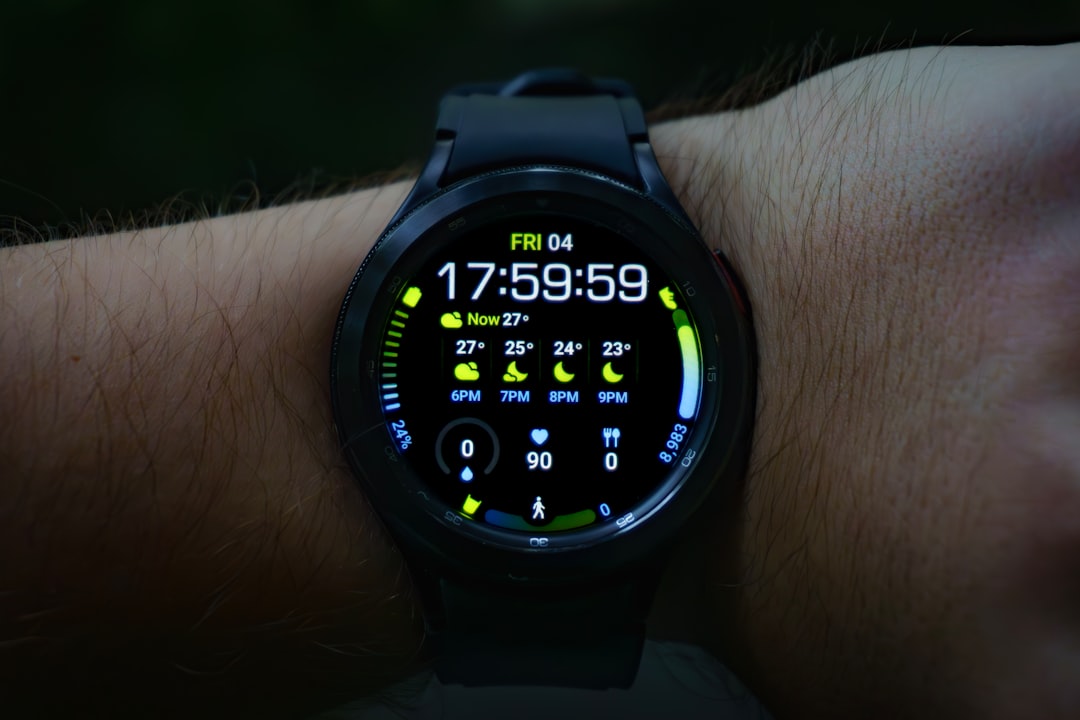
Wearable devices have emerged as a cornerstone of personalised healthcare, providing individuals with real-time data about their health status. These devices, which include smartwatches, fitness trackers, and health monitors, enable users to track various metrics such as heart rate, physical activity, sleep patterns, and even blood glucose levels. By collecting and analysing this data, wearables empower individuals to take charge of their health, fostering a proactive approach to wellness.
This shift from reactive to proactive health management is particularly significant in the context of chronic disease management, where early detection and continuous monitoring can lead to better outcomes. Moreover, the integration of wearable technology into healthcare systems has facilitated more informed decision-making for both patients and healthcare providers. For instance, data collected from wearables can be shared with medical professionals, allowing for more accurate assessments and tailored treatment plans.
This collaborative approach not only enhances patient engagement but also fosters a sense of accountability among users. As individuals become more aware of their health metrics, they are often motivated to make lifestyle changes that can lead to improved overall well-being.
The Role of Artificial Intelligence in Personalized Healthcare

Artificial intelligence (AI) is playing an increasingly pivotal role in the realm of personalised healthcare. By leveraging vast amounts of data, AI algorithms can identify patterns and trends that may not be immediately apparent to human analysts. This capability allows for more precise diagnostics and treatment recommendations tailored to individual patients.
For example, AI can analyse genetic information alongside clinical data to predict an individual’s response to specific medications, thereby minimising trial-and-error approaches in prescribing. Furthermore, AI-driven tools are enhancing the efficiency of healthcare delivery by automating routine tasks and streamlining workflows. This not only reduces the administrative burden on healthcare professionals but also allows them to focus on providing high-quality care.
As AI continues to evolve, its potential applications in personalised healthcare are expanding, with innovations such as virtual health assistants and predictive analytics becoming increasingly commonplace. These advancements promise to revolutionise patient care by ensuring that treatments are not only effective but also tailored to the unique characteristics of each individual.
The Impact of Telemedicine and Remote Monitoring on Patient Care
| Metrics | Findings |
|---|---|
| Reduction in Hospital Visits | 30% decrease in non-emergency hospital visits |
| Improved Access to Specialists | 60% increase in access to specialist consultations |
| Patient Satisfaction | 85% of patients reported high satisfaction with telemedicine services |
| Cost Savings | Estimated 25% reduction in healthcare costs for patients using remote monitoring |
| Chronic Disease Management | 50% improvement in managing chronic conditions through remote monitoring |
Telemedicine has emerged as a vital component of modern healthcare, particularly in light of recent global events that have necessitated remote interactions between patients and providers. This technology enables patients to consult with healthcare professionals from the comfort of their homes, thereby increasing access to care and reducing barriers associated with traditional in-person visits. Telemedicine is particularly beneficial for individuals with chronic conditions who require regular monitoring and follow-up consultations, as it allows for continuous engagement without the need for frequent travel.
Remote monitoring technologies complement telemedicine by enabling healthcare providers to track patients’ health metrics in real time. Devices such as blood pressure monitors and glucose meters can transmit data directly to healthcare professionals, facilitating timely interventions when necessary. This continuous flow of information not only enhances patient safety but also fosters a collaborative relationship between patients and providers.
As telemedicine and remote monitoring continue to evolve, they are likely to play an increasingly integral role in delivering personalised care that meets the unique needs of each patient.
The Future of Genetic Testing and Personalized Medicine
Genetic testing is at the forefront of personalised medicine, offering insights into an individual’s predisposition to certain diseases and their potential response to various treatments. As technology advances, genetic testing is becoming more accessible and affordable, allowing a broader population to benefit from its insights. This shift has significant implications for preventive medicine; by identifying genetic risk factors early on, individuals can make informed lifestyle choices or undergo proactive interventions that may mitigate their risk.
The future of genetic testing holds immense promise as research continues to uncover the complexities of the human genome. With advancements in gene editing technologies such as CRISPR, there is potential not only for personalised treatment plans but also for curative approaches to genetic disorders. As our understanding of genetics deepens, the integration of genetic testing into routine healthcare practices will likely become standardised, paving the way for a new era of personalised medicine that prioritises prevention and tailored treatment strategies.
Integrating Data and Analytics for Personalized Health Insights

The integration of data and analytics is crucial for unlocking the full potential of personalised healthcare. By harnessing data from various sources—such as electronic health records (EHRs), wearable devices, and genomic information—healthcare providers can gain comprehensive insights into individual patient profiles. This holistic view enables clinicians to make more informed decisions regarding diagnosis and treatment options tailored specifically to each patient’s needs.
Moreover, advanced analytics can identify trends within populations that may inform public health initiatives and resource allocation. For instance, analysing data from diverse demographic groups can reveal disparities in health outcomes, prompting targeted interventions aimed at improving access to care for underserved populations. As data integration continues to evolve, it will play an increasingly vital role in shaping personalised healthcare strategies that are both effective and equitable.
Overcoming Challenges and Ethical Considerations in Personalized Healthcare
Despite the numerous benefits associated with personalised technology in healthcare, several challenges and ethical considerations must be addressed. One significant concern is data privacy; as more personal health information is collected and shared across platforms, safeguarding this data becomes paramount. Patients must be assured that their information is handled securely and used responsibly, which necessitates robust regulatory frameworks and transparent practices within healthcare organisations.
Additionally, there are ethical implications surrounding access to personalised healthcare technologies. Disparities in access could exacerbate existing inequalities within the healthcare system, leaving vulnerable populations at a disadvantage. It is essential for policymakers and healthcare providers to work collaboratively to ensure that advancements in personalised technology are accessible to all individuals, regardless of socioeconomic status or geographic location.
Addressing these challenges will be critical in realising the full potential of personalised healthcare while maintaining ethical standards.
The Potential for Personalized Technology to Revolutionize Healthcare Delivery
The potential for personalised technology to revolutionise healthcare delivery is immense. By embracing innovations such as wearable devices, artificial intelligence, telemedicine, and genetic testing, the healthcare industry can move towards a model that prioritises individual patient needs and preferences. This shift not only enhances patient engagement but also improves clinical outcomes by ensuring that treatments are tailored specifically to each individual.
As we look towards the future, it is clear that personalised technology will play an increasingly central role in shaping the healthcare landscape. By overcoming existing challenges and addressing ethical considerations, stakeholders can harness the power of these innovations to create a more effective, equitable, and patient-centred healthcare system. Ultimately, the integration of personalised technology has the potential to transform not only how care is delivered but also how patients experience their health journeys—leading to a healthier society overall.
The article “How to Disable Telnet in CentOS” provides valuable information on securing your system by disabling the Telnet service. This is crucial in ensuring the safety and privacy of personal healthcare data stored on the system. As technology continues to advance, it is essential to stay informed about cybersecurity measures to protect sensitive information. To learn more about this topic, you can visit the article here.
FAQs
What is personalized healthcare technology?
Personalized healthcare technology refers to the use of technology to tailor medical treatment and care to the individual characteristics of each patient. This can include the use of genetic information, wearable devices, and digital health platforms to provide more targeted and effective healthcare.
How is personalized healthcare technology changing the healthcare industry?
Personalized healthcare technology is revolutionizing the healthcare industry by allowing for more precise diagnosis, treatment, and prevention of diseases. It is shifting the focus from a one-size-fits-all approach to a more individualized and proactive model of care.
What are some examples of personalized healthcare technology?
Examples of personalized healthcare technology include genetic testing for personalized medicine, wearable devices for monitoring health metrics, telemedicine for remote consultations, and digital health platforms for managing and tracking health data.
What are the benefits of personalized healthcare technology?
The benefits of personalized healthcare technology include improved treatment outcomes, reduced healthcare costs, better patient engagement and empowerment, and the potential for early detection and prevention of diseases.
What are the challenges of implementing personalized healthcare technology?
Challenges of implementing personalized healthcare technology include data privacy and security concerns, regulatory and ethical considerations, interoperability of different health systems and devices, and the need for healthcare professionals to be trained in using and interpreting the technology.


