
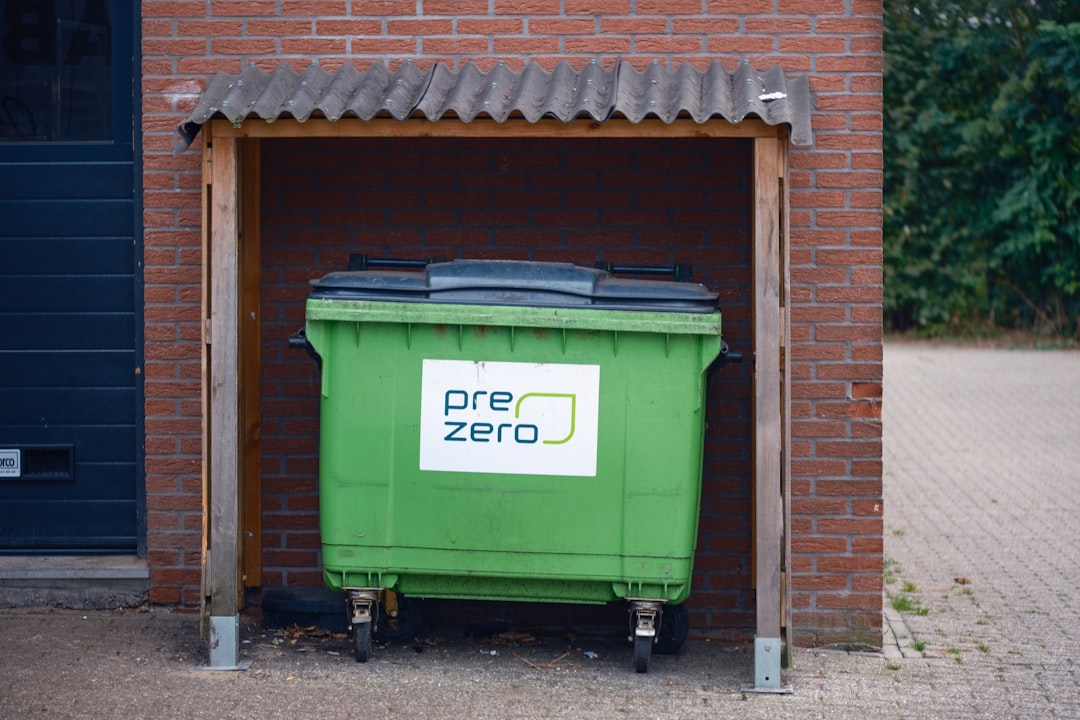
Waste management has become an increasingly pressing issue in contemporary society, as urbanisation and population growth continue to escalate. The current state of waste management varies significantly across different regions, influenced by factors such as economic development, infrastructure, and public awareness. In many developed countries, sophisticated systems have been established to manage waste effectively, incorporating recycling, composting, and waste-to-energy technologies.
However, in developing nations, the situation is often dire, with inadequate facilities and limited resources leading to inefficient waste disposal practices. Despite advancements in some areas, global waste generation is projected to rise dramatically. According to the World Bank, the world generates approximately 2.01 billion tonnes of municipal solid waste annually, a figure expected to increase by 70% by 2050 if no significant changes are made.
This alarming trend highlights the urgent need for comprehensive waste management strategies that not only address the immediate challenges but also promote sustainable practices for future generations. The disparity in waste management practices between developed and developing nations underscores the necessity for a collaborative approach that shares knowledge and resources to tackle this global issue. Have you read the latest blog post on artificial intelligence?
Summary
- The current state of waste management is inadequate and unsustainable, leading to environmental and health hazards.
- Inefficient waste management has a detrimental impact on the environment, contributing to pollution, habitat destruction, and climate change.
- Technology plays a crucial role in revolutionising waste management, offering solutions such as smart bins, IoT sensors, and data analytics for efficient waste collection and monitoring.
- Smart solutions for waste collection and sorting, such as automated sorting systems and robotic waste collectors, are essential for improving efficiency and reducing contamination.
- Innovative recycling techniques and technologies, such as chemical recycling and upcycling, are key to reducing waste and promoting a circular economy.
The Impact of Inefficient Waste Management on the Environment
Inefficient waste management has far-reaching consequences for the environment, affecting air quality, water resources, and biodiversity. When waste is improperly disposed of, it can lead to pollution of land and water bodies, resulting in detrimental effects on ecosystems and human health. For instance, landfills emit methane, a potent greenhouse gas that contributes significantly to climate change.
Furthermore, leachate from landfills can contaminate groundwater supplies, posing serious risks to drinking water sources and aquatic life. The environmental impact extends beyond pollution; it also encompasses the depletion of natural resources. Inefficient waste management often leads to increased reliance on virgin materials for production, exacerbating deforestation, mining, and other resource extraction activities.
This cycle not only threatens biodiversity but also undermines efforts towards sustainable development. As such, addressing the inefficiencies in waste management is crucial for mitigating environmental degradation and fostering a healthier planet.
The Role of Technology in Revolutionising Waste Management
Technology plays a pivotal role in transforming waste management practices, offering innovative solutions that enhance efficiency and sustainability. Advanced technologies such as artificial intelligence (AI), the Internet of Things (IoT), and big data analytics are being harnessed to optimise waste collection and processing. For example, smart bins equipped with sensors can monitor fill levels in real-time, enabling waste collection services to operate more efficiently by reducing unnecessary trips and fuel consumption.
Moreover, technology facilitates better tracking and management of waste streams. Digital platforms can provide valuable insights into waste generation patterns, helping municipalities and businesses identify areas for improvement. By leveraging data analytics, stakeholders can make informed decisions that lead to more effective waste reduction strategies.
As technology continues to evolve, its integration into waste management systems promises to enhance operational efficiency while minimising environmental impact.
Smart Solutions for Efficient Waste Collection and Sorting
| Metrics | Data |
|---|---|
| Number of Smart Bins Installed | 500 |
| Percentage of Waste Diverted from Landfill | 75% |
| Reduction in Collection Costs | 20% |
| Efficiency of Sorting Process | 90% |
The implementation of smart solutions in waste collection and sorting is revolutionising how municipalities manage their waste streams. Smart waste collection systems utilise IoT devices to monitor bin capacity and optimise collection routes based on real-time data. This not only reduces operational costs but also minimises the carbon footprint associated with waste collection vehicles.
By streamlining logistics, cities can ensure that resources are allocated efficiently, ultimately leading to improved service delivery. In addition to collection efficiency, smart sorting technologies are enhancing recycling efforts. Automated sorting systems equipped with advanced sensors and AI algorithms can accurately identify and separate recyclable materials from general waste.
This technology significantly increases the purity of recyclables, making them more valuable in the market. Furthermore, it reduces contamination rates, which have historically posed challenges for recycling facilities. By investing in smart sorting solutions, municipalities can improve recycling rates and contribute to a circular economy where materials are reused rather than discarded.
Innovative Recycling Techniques and Technologies
Innovative recycling techniques are at the forefront of efforts to create a more sustainable waste management system. Traditional recycling methods often face limitations due to contamination and the complexity of materials used in modern products. However, advancements in recycling technologies are addressing these challenges head-on.
For instance, chemical recycling processes can break down plastics into their original monomers, allowing for the creation of new plastic products without degrading quality. Another promising development is the use of bio-based materials that can be composted rather than recycled through conventional means. These materials offer an alternative to traditional plastics and can significantly reduce the volume of waste sent to landfills.
Additionally, innovations such as upcycling—whereby discarded materials are transformed into new products—are gaining traction as a creative solution to reduce waste while promoting sustainability. By embracing these innovative recycling techniques, society can move closer to achieving a zero-waste future.
The Importance of Public Awareness and Education in Waste Management
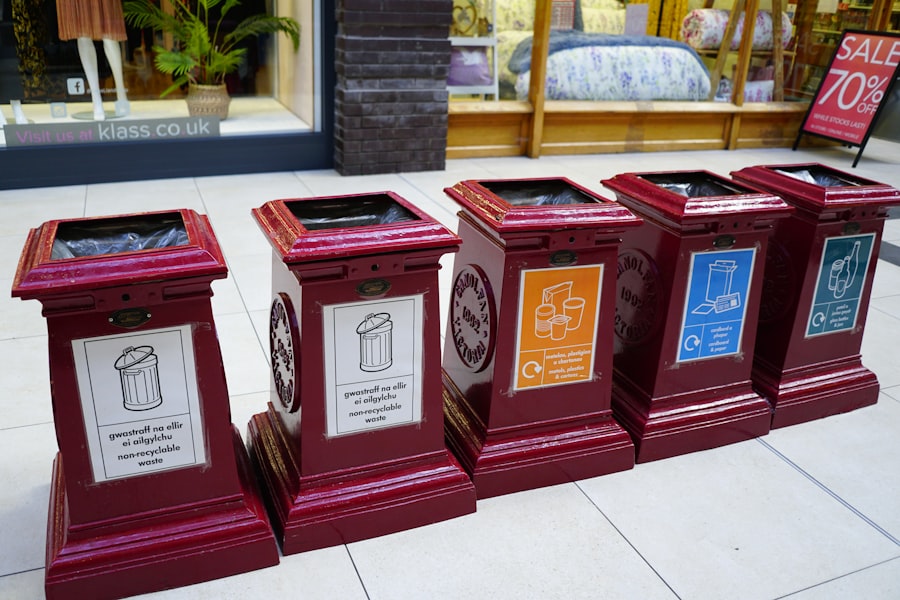
Empowering Individuals through Education
Educational campaigns that highlight the environmental impacts of improper waste disposal can motivate individuals to adopt more sustainable behaviours in their daily lives.
The Role of Schools in Shaping Attitudes
Moreover, schools play a vital role in shaping attitudes towards waste management from a young age. Incorporating environmental education into school curricula can empower future generations with the knowledge and skills needed to tackle waste-related challenges.
Community Initiatives for Enhanced Engagement
Community initiatives such as clean-up drives or recycling workshops can further enhance public engagement by providing hands-on experiences that reinforce the importance of responsible waste management practices.
Government Policies and Initiatives for Sustainable Waste Management
Government policies are instrumental in shaping effective waste management frameworks that promote sustainability. Many countries have implemented regulations aimed at reducing landfill use and increasing recycling rates. For instance, extended producer responsibility (EPR) policies hold manufacturers accountable for the entire lifecycle of their products, encouraging them to design for recyclability and minimise packaging waste.
In addition to regulatory measures, governments are increasingly investing in infrastructure improvements to support sustainable waste management practices. This includes funding for recycling facilities, composting programmes, and public awareness campaigns. Collaborative efforts between local authorities, businesses, and non-profit organisations can further enhance these initiatives by pooling resources and expertise.
By prioritising sustainable waste management through comprehensive policies and initiatives, governments can lead the way towards a more environmentally responsible future.
The Future of Waste Management: Towards a Greener and Cleaner Environment
The future of waste management lies in embracing innovative solutions that prioritise sustainability and environmental stewardship. As technology continues to advance, there is immense potential for developing smarter systems that not only manage waste more effectively but also reduce its generation at source. The shift towards a circular economy—where products are designed for longevity and recyclability—will be crucial in minimising waste production.
Furthermore, fostering collaboration among stakeholders—including governments, businesses, communities, and individuals—will be essential for driving meaningful change in waste management practices. By working together towards common goals, society can create a greener and cleaner environment for future generations. Ultimately, the path forward requires a commitment to innovation, education, and sustainable practices that prioritise the health of our planet while meeting the needs of its inhabitants.
In addition to the advancements in waste management technology discussed in the article on smart solutions, there is also a growing concern about threats to the domain name system (DNS). According to a recent article on b6g.net, cyber attacks targeting the DNS are on the rise, posing a significant risk to online security. It is crucial for businesses and individuals to stay informed about these threats and take necessary precautions to protect their online presence.
FAQs
What is technology in waste management?
Technology in waste management refers to the use of advanced tools, systems, and solutions to improve the collection, sorting, recycling, and disposal of waste. This includes the use of smart sensors, data analytics, automation, and other digital technologies to make waste management processes more efficient and sustainable.
What are some examples of smart solutions in waste management?
Some examples of smart solutions in waste management include smart bins with sensors that monitor waste levels and optimize collection routes, waste sorting robots that use artificial intelligence to separate recyclable materials, and digital platforms for tracking and managing waste streams.
How does technology help in improving waste management processes?
Technology helps in improving waste management processes by providing real-time data on waste generation and collection, optimizing routes for waste collection vehicles, automating sorting and recycling processes, and enabling better tracking and management of waste streams. This leads to increased efficiency, reduced costs, and improved environmental sustainability.
What are the benefits of using technology in waste management?
The benefits of using technology in waste management include improved efficiency in waste collection and disposal, reduced environmental impact through better recycling and waste diversion, cost savings through optimized processes, and the ability to track and manage waste streams more effectively.
Are there any challenges associated with implementing technology in waste management?
Some challenges associated with implementing technology in waste management include the initial cost of investment, the need for technical expertise to operate and maintain advanced systems, and potential issues with data privacy and security. Additionally, there may be resistance to change from traditional waste management practices.


