

The digital revolution has fundamentally altered the landscape of cultural exchange, enabling unprecedented access to diverse cultures and ideas. With the advent of the internet, individuals from different corners of the globe can now share their traditions, art, and values with a mere click of a button. This transformation has not only facilitated the dissemination of cultural content but has also fostered a greater understanding and appreciation of cultural diversity.
The rapid evolution of technology has created platforms where cultural narratives can be shared, discussed, and celebrated, leading to a more interconnected world. Moreover, the digital revolution has democratized cultural production and consumption. In the past, access to cultural artefacts was often limited to specific geographical locations or social classes.
Today, anyone with an internet connection can engage with a plethora of cultural expressions, from music and literature to visual arts and culinary traditions. This shift has empowered individuals to become creators in their own right, allowing them to contribute to the global cultural tapestry. As a result, cultural exchange is no longer a one-way street; it is a dynamic and reciprocal process that enriches both local and global communities. Have you read the latest blog post on artificial intelligence?
Summary
- The digital revolution has significantly transformed cultural exchange by making it easier for people from different parts of the world to connect and share their cultural experiences.
- Social media has played a crucial role in global connectivity, allowing individuals to engage in cross-cultural communication and gain a better understanding of different cultures.
- Language learning apps have facilitated cross-cultural communication by providing individuals with the tools to learn new languages and communicate with people from different cultural backgrounds.
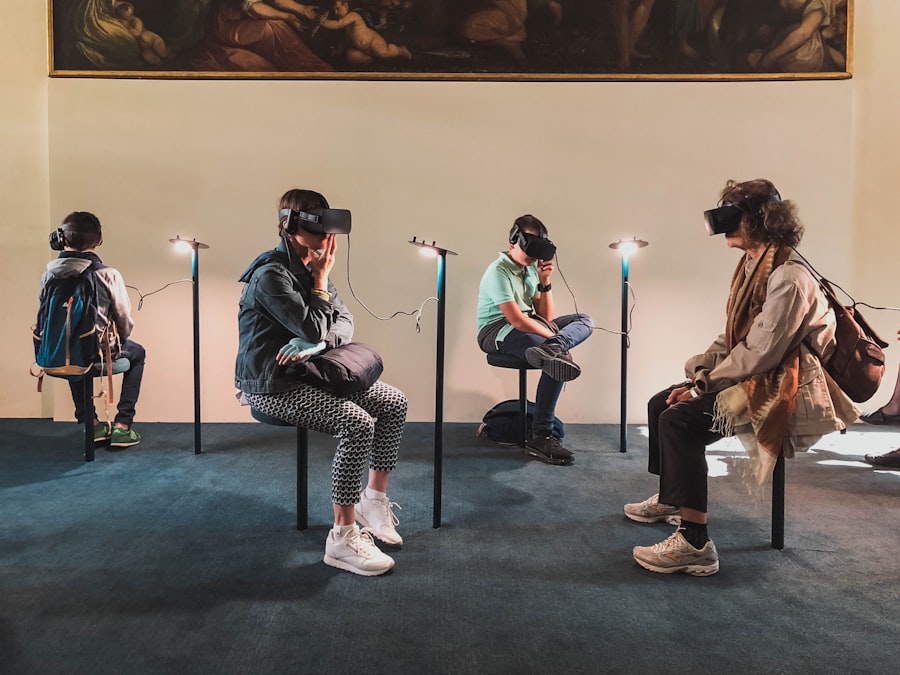
- Virtual reality has the potential to bridge the gap between cultures by offering immersive cultural experiences that can help individuals gain a deeper understanding of different cultures.
- Online collaboration has enabled individuals from different cultural backgrounds to come together and create innovative and diverse content, leading to a more enriched cultural exchange in the digital age.
Social Media and Global Connectivity: The Impact on Cultural Exchange
Social media platforms have emerged as powerful tools for cultural exchange, connecting individuals across vast distances and fostering dialogue between diverse communities. Platforms such as Facebook, Instagram, Twitter, and TikTok allow users to share their cultural experiences in real-time, creating a virtual space where ideas and traditions can be exchanged freely. This connectivity has led to the emergence of global trends that transcend geographical boundaries, as users engage with content that resonates with their own cultural identities while also exposing them to new perspectives.
The impact of social media on cultural exchange is particularly evident in the way it facilitates grassroots movements and cultural initiatives. For instance, hashtags can mobilise communities around specific cultural themes or social issues, allowing individuals to share their stories and experiences. This phenomenon not only amplifies underrepresented voices but also encourages cross-cultural dialogue and understanding.
As users engage with content from different cultures, they are often prompted to reflect on their own identities and values, fostering a sense of empathy and connection that transcends borders.
Language Learning Apps and Cross-Cultural Communication
Language learning apps have revolutionised the way individuals approach language acquisition, making it more accessible and engaging than ever before. Platforms such as Duolingo, Babbel, and Rosetta Stone offer users the opportunity to learn new languages at their own pace, often incorporating elements of cultural context into their lessons. This integration of language and culture is crucial for effective cross-cultural communication, as understanding the nuances of a language often requires an appreciation of the cultural backdrop from which it originates.
Furthermore, these apps often include features that encourage interaction with native speakers, thereby enhancing the learning experience. Users can engage in conversations with individuals from different cultures, allowing for real-time practice and exchange of ideas. This not only aids in language proficiency but also fosters a deeper understanding of cultural norms and values.
As learners navigate through different languages, they are simultaneously exposed to diverse ways of thinking and expressing oneself, which can lead to greater intercultural competence.
Virtual Reality and Cultural Immersion: Bridging the Gap
| Metrics | Data |
|---|---|
| Number of VR users | 10 million |
| Percentage of cultural immersion | 75% |
| VR headset sales | 5 million units |
| VR content related to cultural experiences | 1000 hours |
Virtual reality (VR) technology has emerged as a groundbreaking tool for cultural immersion, offering users the chance to experience different cultures in an interactive and engaging manner. Through VR experiences, individuals can virtually visit historical sites, participate in traditional ceremonies, or explore local customs without leaving their homes. This immersive approach allows for a deeper understanding of cultural contexts that might otherwise be inaccessible due to geographical or financial constraints.
The potential of VR in cultural exchange extends beyond mere observation; it encourages active participation and engagement with different cultures. For instance, users can take part in cooking classes that teach them how to prepare traditional dishes from various regions or attend virtual festivals that showcase local art and music. Such experiences not only enhance knowledge but also foster empathy by allowing individuals to step into the shoes of others.
As technology continues to advance, the possibilities for VR in promoting cultural exchange are boundless, paving the way for a more inclusive global community.
Online Collaboration and Cross-Cultural Creativity
The digital age has ushered in an era of online collaboration that transcends geographical boundaries, enabling creative individuals from diverse backgrounds to work together on projects that celebrate their unique cultural perspectives. Platforms such as GitHub for developers or Behance for artists facilitate collaboration across disciplines and cultures, allowing creators to share ideas and resources in real-time. This collaborative spirit not only enhances creativity but also fosters innovation by combining different cultural influences.
Moreover, online collaboration encourages the blending of artistic styles and traditions, resulting in new forms of expression that reflect a globalised world. For example, musicians from different countries can collaborate on tracks that incorporate elements from their respective cultures, creating hybrid genres that resonate with a wider audience. This cross-pollination of ideas enriches the creative landscape and highlights the importance of cultural exchange in driving artistic evolution.
As creators continue to leverage digital tools for collaboration, they contribute to a vibrant tapestry of global creativity that celebrates diversity.
The Role of Streaming Services in Sharing Cultural Content

Streaming services have transformed the way we consume cultural content, providing access to films, music, documentaries, and television shows from around the world. Platforms such as Netflix, Spotify, and YouTube have made it possible for audiences to explore diverse narratives and artistic expressions that may have previously been overlooked or inaccessible. This accessibility not only broadens viewers’ horizons but also promotes cross-cultural understanding by showcasing stories that reflect different societal values and experiences.
Additionally, streaming services often curate content that highlights specific cultures or themes, further facilitating cultural exchange. For instance, international film festivals are increasingly featured on these platforms, allowing audiences to discover award-winning films from various countries without the need for physical attendance. This exposure to global cinema fosters appreciation for different storytelling techniques and cultural contexts while encouraging dialogue about shared human experiences.
As streaming services continue to evolve, they play an essential role in bridging cultural divides and promoting inclusivity in entertainment.
E-commerce and the Global Marketplace: Cultural Exchange in the Digital Age
E-commerce has revolutionised the way goods are bought and sold across borders, facilitating cultural exchange through the global marketplace. Online platforms such as Amazon, Etsy, and Alibaba enable artisans and entrepreneurs from various cultures to showcase their products to a worldwide audience. This not only provides economic opportunities for creators but also allows consumers to access unique items that reflect diverse cultural heritages.
The rise of e-commerce has also led to increased awareness of ethical consumption practices. Consumers are becoming more conscious of the origins of their purchases and are seeking out products that support local artisans or promote sustainable practices. This shift encourages a deeper appreciation for the craftsmanship and cultural significance behind each item, fostering a sense of connection between buyers and sellers across cultures.
As e-commerce continues to grow, it serves as a vital conduit for cultural exchange in the digital age.
The Challenges and Opportunities of Technological Cultural Exchange
While technological advancements have significantly enhanced cultural exchange, they also present challenges that must be addressed. One major concern is the potential for cultural appropriation, where elements of one culture are adopted by another without proper understanding or respect for their significance. This can lead to commodification and misrepresentation of cultural practices, undermining their authenticity and value.
It is essential for individuals engaging in cross-cultural exchanges to approach these interactions with sensitivity and awareness. On the other hand, the opportunities presented by technological cultural exchange are vast. The ability to connect with individuals from diverse backgrounds fosters empathy and understanding in an increasingly polarised world.
By embracing technology as a tool for cultural exchange, we can create spaces for dialogue that celebrate diversity while addressing common challenges faced by humanity. As we navigate this digital landscape, it is crucial to remain mindful of both the responsibilities and possibilities inherent in our interconnectedness. In conclusion, the digital revolution has transformed cultural exchange in profound ways, enabling greater connectivity and understanding among diverse communities.
Through social media, language learning apps, virtual reality experiences, online collaboration, streaming services, e-commerce platforms, and more, technology has opened up new avenues for sharing culture on a global scale. While challenges remain, the opportunities for fostering cross-cultural dialogue and creativity are immense. As we continue to embrace these advancements, we must strive to do so with respect and awareness of the rich tapestry of human culture that we are all part of.
In a recent article on b6g.net, the impact of technology on cultural exchange was further explored. The article discussed how the first discrete graphics processor from Intel is raising the ceiling of the capabilities of the mid-range, highlighting the ways in which technological advancements are shaping our interactions and exchanges across different cultures. This article sheds light on the ever-evolving relationship between technology and cultural exchange, showcasing the ways in which innovation is influencing our global connectivity.
FAQs
What is the impact of technology on cultural exchange?
Technology has greatly facilitated cultural exchange by enabling people from different parts of the world to connect and share their cultural experiences, traditions, and values. This has led to a more interconnected and globalized world.
How has technology affected the way people communicate and interact with other cultures?
Technology has revolutionized the way people communicate and interact with other cultures. Social media platforms, video conferencing, and instant messaging have made it easier for individuals to engage with people from different cultural backgrounds, leading to greater understanding and appreciation of diversity.
What role does technology play in preserving and promoting traditional cultures?
Technology has played a crucial role in preserving and promoting traditional cultures by providing a platform for cultural expression, storytelling, and the sharing of traditional knowledge and practices. This has helped to safeguard and celebrate cultural heritage in the face of globalization.
How has technology impacted the spread of cultural trends and influences?
Technology has accelerated the spread of cultural trends and influences by allowing for the rapid dissemination of cultural products, such as music, films, and fashion, across different regions and countries. This has led to the globalisation of popular culture and the emergence of new hybrid cultural forms.
What are some potential challenges of technology on cultural exchange?
Some potential challenges of technology on cultural exchange include the risk of cultural homogenization, the spread of misinformation and stereotypes, and the erosion of traditional cultural practices in the face of globalisation. It is important to be mindful of these challenges and work towards promoting a more inclusive and respectful exchange of cultures through technology.


