
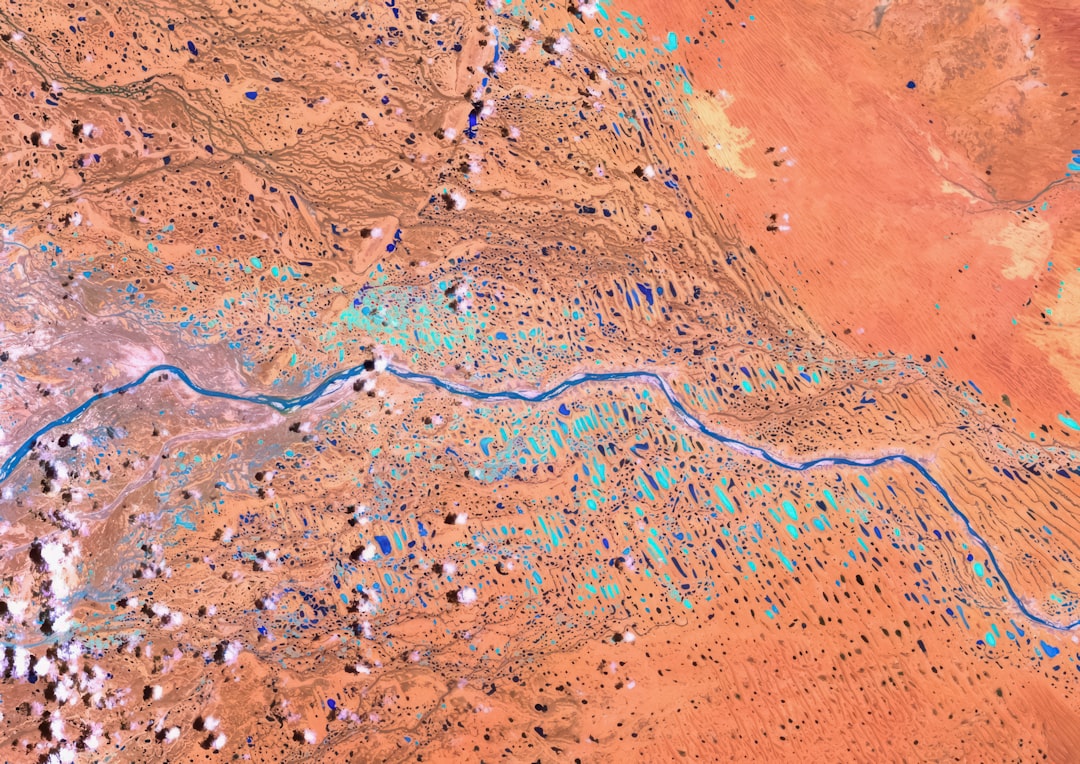
Environmental monitoring is a critical process that involves the systematic collection and analysis of data regarding the state of the environment. This practice is essential for understanding the complex interactions between human activities and natural ecosystems. By assessing various environmental parameters, such as air and water quality, biodiversity, and soil health, stakeholders can make informed decisions that promote sustainability and mitigate adverse impacts on the environment.
The importance of environmental monitoring has grown significantly in recent years, driven by increasing concerns over climate change, pollution, and habitat degradation. The need for effective environmental monitoring is underscored by the challenges posed by rapid urbanisation, industrialisation, and population growth. These factors contribute to environmental degradation, which can have dire consequences for public health, biodiversity, and the overall quality of life.
Consequently, robust monitoring systems are essential for identifying trends, detecting changes, and implementing timely interventions. As we delve deeper into the various aspects of environmental monitoring, it becomes evident that technology plays a pivotal role in enhancing our ability to gather and analyse data efficiently. Have you read the latest blog post on artificial intelligence?
Summary
- Environmental monitoring is crucial for assessing the impact of human activities on the environment and ensuring sustainable development.
- Technology plays a vital role in environmental monitoring, enabling real-time data collection and analysis for informed decision-making.
- Advancements in air quality monitoring technology have led to more accurate and widespread monitoring of air pollution levels.
- Innovations in water quality monitoring have improved the detection of contaminants and pollutants in water bodies, safeguarding public health and ecosystems.
- Remote sensing and satellite technology have revolutionised environmental monitoring by providing comprehensive and continuous data on a global scale.
The Role of Technology in Environmental Monitoring
Technology has revolutionised the field of environmental monitoring, providing tools and methodologies that enhance data collection and analysis. Traditional methods of monitoring often relied on manual sampling and laboratory analysis, which could be time-consuming and limited in scope. However, advancements in technology have introduced automated systems that can continuously monitor environmental parameters in real-time.
This shift not only increases the volume of data collected but also improves the accuracy and reliability of the information. Moreover, technology facilitates the integration of diverse data sources, allowing for a more comprehensive understanding of environmental conditions. For instance, geographic information systems (GIS) enable the visualisation and analysis of spatial data, helping researchers identify patterns and correlations that may not be apparent through conventional methods.
The use of mobile applications and cloud computing further enhances accessibility to data, enabling stakeholders—from government agencies to local communities—to engage in informed decision-making processes. As we explore specific advancements in air and water quality monitoring, as well as remote sensing technologies, it becomes clear that technology is at the forefront of modern environmental monitoring efforts.
Advancements in Air Quality Monitoring
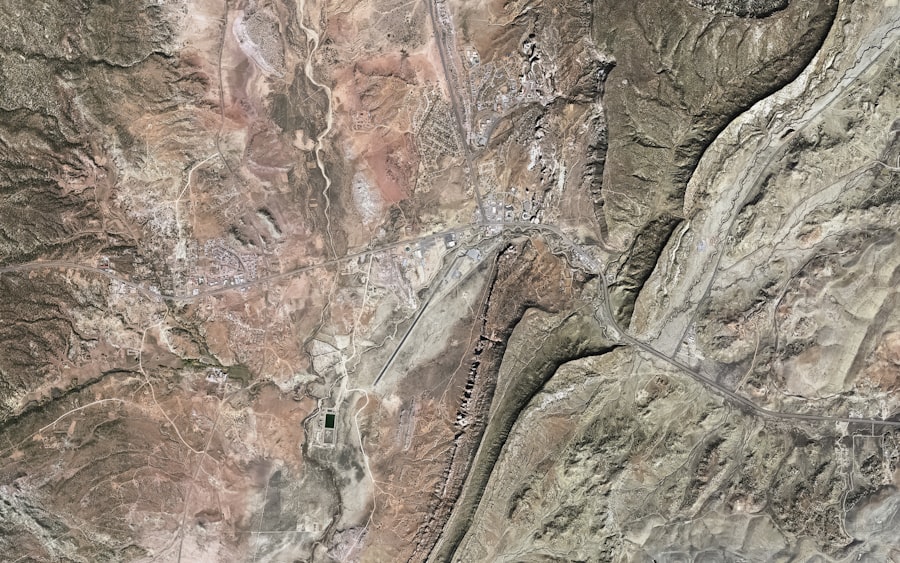
Air quality monitoring has seen significant advancements in recent years, driven by the urgent need to address air pollution and its associated health risks. Traditional air quality monitoring stations are often limited in number and can be expensive to operate. However, new technologies have emerged that allow for more widespread and cost-effective monitoring solutions.
For example, low-cost sensors have been developed that can be deployed in various locations to measure pollutants such as particulate matter (PM), nitrogen dioxide (NO2), and ozone (O3). These sensors provide valuable data that can be used to assess air quality on a local scale. In addition to low-cost sensors, advancements in data analytics have enabled more sophisticated interpretations of air quality data.
Machine learning algorithms can analyse vast amounts of data from multiple sources to identify trends and predict future air quality conditions. This predictive capability is particularly valuable for public health officials and urban planners who need to make informed decisions regarding air quality management. Furthermore, mobile applications that provide real-time air quality information empower individuals to take proactive measures to protect their health, such as avoiding outdoor activities during high pollution events.
Innovations in Water Quality Monitoring
| Technology | Advantages | Challenges |
|---|---|---|
| Satellite Monitoring | Wide coverage, real-time data | High cost, limited resolution |
| Sensor Networks | Localised data, cost-effective | Maintenance, data management |
| Remote Sensing | Non-invasive, large area coverage | Interpretation of data, weather dependency |
Water quality monitoring is another critical area where technological innovations have made a significant impact. The health of aquatic ecosystems is vital for biodiversity and human well-being, making it essential to monitor water bodies for pollutants and other harmful substances. Traditional water sampling methods often involve manual collection and laboratory analysis, which can delay the availability of results.
In contrast, modern technologies such as remote sensing and in-situ sensors allow for continuous monitoring of water quality parameters like pH, turbidity, dissolved oxygen, and nutrient levels. One notable innovation in water quality monitoring is the development of smart buoys equipped with advanced sensors that can transmit real-time data to central databases. These buoys can be deployed in lakes, rivers, and coastal areas to monitor changes in water quality over time.
Additionally, satellite imagery has become an invaluable tool for assessing large-scale water quality issues, such as algal blooms or sedimentation patterns. By combining satellite data with ground-based measurements, researchers can gain a more comprehensive understanding of water quality dynamics and respond effectively to emerging threats.
Remote Sensing and Satellite Technology for Environmental Monitoring
Remote sensing technology has transformed environmental monitoring by providing a bird’s-eye view of ecological changes across vast areas. Satellites equipped with advanced sensors can capture high-resolution images of land cover, vegetation health, and atmospheric conditions. This capability allows researchers to monitor changes over time and assess the impacts of human activities on natural ecosystems.
For instance, satellite imagery can be used to track deforestation rates, urban expansion, and changes in land use patterns. Moreover, remote sensing plays a crucial role in climate change research by providing data on greenhouse gas emissions and their effects on global temperatures. By analysing satellite data alongside ground-based measurements, scientists can develop more accurate climate models that inform policy decisions aimed at mitigating climate change impacts.
The integration of remote sensing with other technologies, such as GIS and machine learning, further enhances our ability to monitor environmental changes effectively.
The Use of Drones in Environmental Monitoring
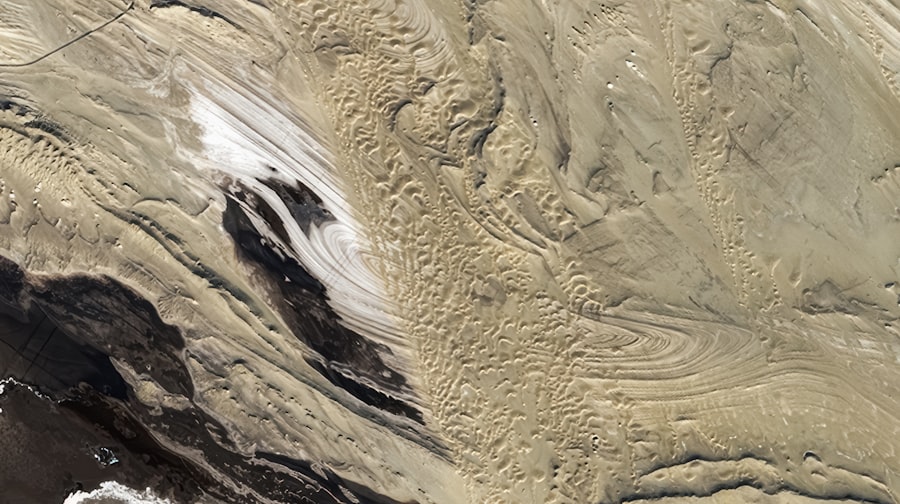
Efficient Monitoring of Remote Areas
One significant advantage of using drones is their ability to cover large areas in a relatively short amount of time compared to traditional ground-based methods. This efficiency is particularly beneficial for monitoring remote or inaccessible regions where conventional monitoring techniques may be impractical. Additionally, drones can be equipped with thermal imaging sensors to detect temperature variations in ecosystems or identify areas affected by wildfires or other disturbances.
Versatility in Environmental Applications
Their versatility makes them suitable for a wide range of applications, from surveying forests to inspecting water bodies for pollution.
Future Expansion of Drone Technology
As drone technology continues to advance, its applications in environmental monitoring are expected to expand further.
Data Analysis and Artificial Intelligence in Environmental Monitoring
The vast amounts of data generated through environmental monitoring necessitate sophisticated analysis techniques to extract meaningful insights. Artificial intelligence (AI) has emerged as a powerful tool for processing and analysing complex datasets efficiently. Machine learning algorithms can identify patterns within large datasets that may not be immediately apparent to human analysts.
This capability is particularly valuable in predicting environmental changes or assessing the impacts of specific interventions. For example, AI can be employed to analyse air quality data from multiple sources—such as sensors, satellite imagery, and meteorological data—to forecast pollution levels accurately. Similarly, AI-driven models can predict water quality trends based on historical data and current conditions, enabling proactive management strategies.
The integration of AI into environmental monitoring not only enhances our understanding of ecological dynamics but also supports evidence-based decision-making for sustainable resource management.
Future Trends in Environmental Monitoring Technology
As we look towards the future of environmental monitoring technology, several trends are likely to shape its evolution. One prominent trend is the increasing emphasis on citizen science initiatives that engage local communities in data collection efforts. With the proliferation of mobile devices and user-friendly applications, individuals can contribute valuable data on air quality or biodiversity within their surroundings.
This participatory approach not only enhances data collection but also fosters greater public awareness and engagement with environmental issues. Another trend is the growing integration of Internet of Things (IoT) devices into environmental monitoring systems. IoT technology enables real-time data transmission from various sensors deployed across different environments, creating a networked system that provides continuous insights into ecological conditions.
This interconnectedness will facilitate more responsive management strategies and enhance our ability to address emerging environmental challenges. In conclusion, environmental monitoring is an essential component of sustainable development that relies heavily on technological advancements. From air quality sensors to satellite imagery and AI-driven analytics, these innovations are transforming how we understand and manage our environment.
As we continue to develop new tools and methodologies for monitoring ecological health, it is imperative that we remain committed to using this knowledge responsibly to protect our planet for future generations.
In a recent article on Google Translate supporting 24 new languages, it highlights the continuous advancements in technology that are shaping our world. Just like how technology is revolutionising language translation, it is also playing a crucial role in environmental monitoring. The integration of innovative tools and software, such as Google Translate, is enabling researchers to gather and analyse data more efficiently, ultimately leading to better environmental management strategies. This article serves as a reminder of the endless possibilities that technology offers in various fields, including environmental science.
FAQs
What is environmental monitoring technology?
Environmental monitoring technology refers to the use of various tools and techniques to collect data on the condition of the environment. This can include monitoring air and water quality, tracking changes in biodiversity, and measuring the impact of human activities on natural ecosystems.
What are some examples of environmental monitoring technology?
Examples of environmental monitoring technology include remote sensing devices, such as satellites and drones, which can be used to gather data on large-scale environmental changes. Other examples include water quality sensors, air pollution monitors, and wildlife tracking devices.
How does environmental monitoring technology help protect the environment?
Environmental monitoring technology provides valuable data that can be used to assess the health of ecosystems, identify sources of pollution, and track changes in environmental conditions over time. This information is essential for making informed decisions about environmental management and conservation efforts.
What are the benefits of using technology in environmental monitoring?
Using technology in environmental monitoring allows for more efficient and accurate data collection, which can help identify environmental problems more quickly and effectively. It also enables monitoring of remote or hard-to-reach areas, and can provide real-time data for rapid response to environmental emergencies.
How is technology in environmental monitoring being used in the UK?
In the UK, technology is being used in environmental monitoring to track air and water quality, monitor changes in biodiversity, and assess the impact of climate change on natural habitats. This data is used to inform environmental policies and regulations, and to guide conservation efforts.


