

The landscape of scientific research has undergone a profound transformation in recent decades, primarily driven by rapid advancements in technology. The integration of sophisticated tools and methodologies has not only accelerated the pace of discovery but has also expanded the horizons of what is possible within various fields of study. From the early days of rudimentary instruments to the current era dominated by digital technologies, the evolution of scientific research is inextricably linked to technological progress.
This article aims to explore the multifaceted impact of technology on scientific research, highlighting key advancements and their implications for the future. As technology continues to evolve, it reshapes the very foundations of how research is conducted. The traditional model of scientific inquiry, characterised by manual data collection and analysis, has been revolutionised by innovations such as big data analytics, machine learning, and cloud computing.
These advancements not only enhance the efficiency of research processes but also enable scientists to tackle complex problems that were previously deemed insurmountable. Consequently, the role of technology in scientific research is not merely supportive; it is central to the advancement of knowledge across disciplines. Have you read the latest blog post on artificial intelligence?
Summary
- Technology has revolutionized scientific research, impacting data collection, analysis, experimentation, AI, communication, collaboration, ethics, publication, and future trends.
- Advancements in data collection and analysis have enabled researchers to gather and process large volumes of data more efficiently, leading to more accurate and insightful findings.
- Automation and robotics have transformed scientific experiments, allowing for precise and repetitive tasks to be carried out with minimal human intervention.
- Artificial intelligence plays a crucial role in scientific discovery, from identifying patterns in complex data sets to predicting outcomes and accelerating the research process.
- Technology has enhanced communication and collaboration among researchers, enabling real-time sharing of data, ideas, and findings, leading to more interdisciplinary and impactful research.
Advancements in Data Collection and Analysis
One of the most significant impacts of technology on scientific research is evident in the realm of data collection and analysis. The advent of digital sensors, remote sensing technologies, and high-throughput screening methods has transformed how researchers gather information. For instance, in fields such as environmental science and biology, researchers can now collect vast amounts of data in real-time, allowing for more comprehensive analyses and insights.
This capability has led to a deeper understanding of complex systems, such as climate change and ecological interactions. Moreover, the ability to analyse large datasets has been greatly enhanced by advancements in computational power and statistical methodologies. Techniques such as machine learning and artificial intelligence have emerged as powerful tools for extracting meaningful patterns from extensive datasets.
These technologies enable researchers to identify correlations and trends that may not be immediately apparent through traditional analytical methods. As a result, the integration of advanced data analysis techniques has not only improved the accuracy of research findings but has also facilitated the discovery of new phenomena.
Automation and Robotics in Scientific Experiments
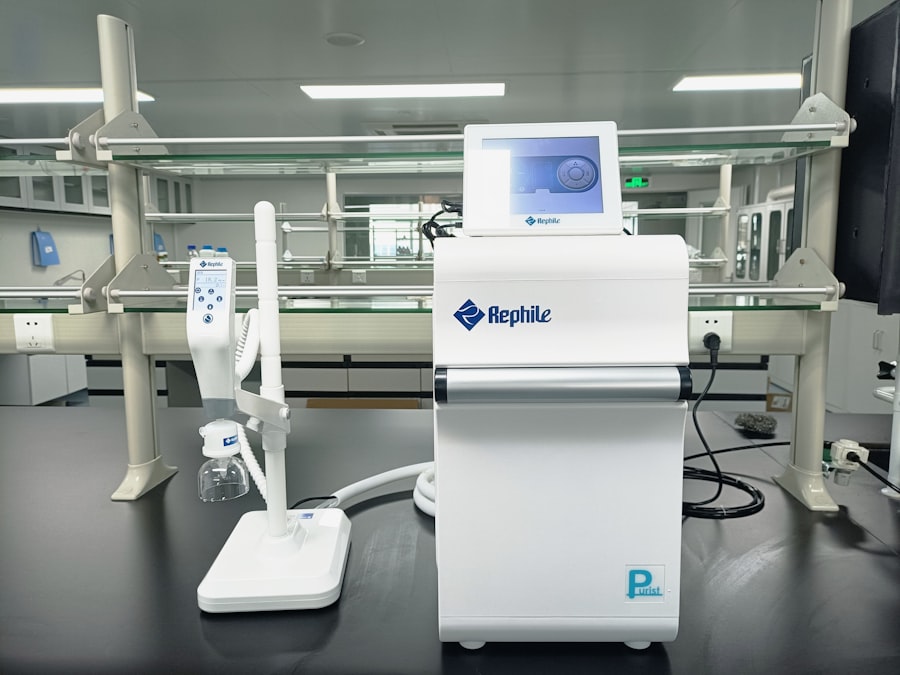
The introduction of automation and robotics into scientific experiments marks another pivotal advancement in research methodologies. Automated systems can perform repetitive tasks with precision and speed, significantly reducing the time required for experiments. In laboratories, robotic systems are increasingly employed for tasks such as sample preparation, liquid handling, and high-throughput screening.
This automation not only enhances efficiency but also minimises human error, leading to more reliable results. Furthermore, robotics has expanded the scope of experimental possibilities. For example, in fields like pharmacology and materials science, robotic systems can conduct thousands of experiments simultaneously, enabling researchers to explore a broader range of variables and conditions.
This capability accelerates the discovery process and allows for more rapid iteration in experimental design. As automation continues to evolve, it is likely that we will see even greater integration of robotic systems into scientific research, further enhancing productivity and innovation.
The Role of Artificial Intelligence in Scientific Discovery
| Metrics | Data |
|---|---|
| Number of AI-powered scientific discoveries | Increasing |
| Percentage of research papers using AI | Rising |
| Accuracy of AI algorithms in predicting scientific outcomes | Improving |
| Time saved in data analysis and processing | Significant |
| Number of AI applications in drug discovery | Growing |
Artificial intelligence (AI) has emerged as a transformative force in scientific discovery, offering unprecedented capabilities for data analysis and hypothesis generation. AI algorithms can process vast amounts of information at speeds far beyond human capacity, enabling researchers to uncover insights that would otherwise remain hidden. For instance, in genomics, AI is being used to analyse genetic sequences, identify mutations associated with diseases, and predict patient responses to treatments.
Moreover, AI’s ability to learn from data allows it to assist researchers in formulating new hypotheses and designing experiments. By identifying patterns and relationships within existing datasets, AI can suggest novel avenues for investigation that may not have been considered by human researchers. This collaborative approach between AI and scientists is fostering a new era of discovery, where technology acts as a partner in the quest for knowledge rather than merely a tool.
Enhancements in Communication and Collaboration Among Researchers
The impact of technology on scientific research extends beyond data collection and analysis; it also encompasses communication and collaboration among researchers. The rise of digital platforms and collaborative tools has facilitated unprecedented levels of interaction among scientists across the globe. Online repositories, shared databases, and collaborative software enable researchers to work together seamlessly, regardless of geographical barriers.
These advancements have led to a more interconnected scientific community, where knowledge can be shared rapidly and efficiently. Collaborative projects that involve multiple institutions or disciplines are becoming increasingly common, fostering interdisciplinary approaches to complex problems. Furthermore, virtual conferences and webinars have emerged as vital platforms for disseminating research findings and engaging with peers, allowing for real-time discussions and feedback that enhance the quality of research.
Ethical Considerations in the Use of Technology in Scientific Research

As technology continues to play an integral role in scientific research, ethical considerations surrounding its use have become increasingly important. The reliance on advanced technologies raises questions about data privacy, consent, and the potential for misuse of information. For instance, in fields such as genetics and health research, the collection and analysis of personal data necessitate stringent ethical guidelines to protect individuals’ rights.
Additionally, the use of AI in research introduces its own set of ethical dilemmas. Concerns regarding bias in algorithms, transparency in decision-making processes, and accountability for AI-generated outcomes are critical issues that must be addressed. As researchers navigate these ethical challenges, it is essential to establish frameworks that ensure responsible use of technology while promoting innovation and discovery.
The Impact of Technology on the Publication and Dissemination of Research Findings
The technological revolution has also transformed how research findings are published and disseminated within the scientific community. Traditional publishing models are being challenged by open-access platforms that allow for wider distribution of research articles. This shift towards open access promotes greater transparency and accessibility, enabling researchers from diverse backgrounds to engage with cutting-edge findings without financial barriers.
Moreover, digital platforms facilitate rapid dissemination of research results through preprint servers and online journals. This immediacy allows scientists to share their work with peers quickly, fostering timely feedback and collaboration. The ability to reach a global audience through digital channels enhances the visibility of research findings and encourages interdisciplinary dialogue that can lead to innovative solutions.
Future Trends and Implications for Scientific Research
Looking ahead, the future of scientific research will undoubtedly be shaped by ongoing technological advancements. Emerging technologies such as quantum computing, advanced biotechnology, and nanotechnology hold immense potential for revolutionising various fields of study. As these technologies mature, they will likely enable researchers to tackle increasingly complex challenges with greater efficiency and precision.
Furthermore, the integration of technology into scientific research will continue to raise important questions about ethics, equity, and access. Ensuring that all researchers have access to advanced tools and resources will be crucial for fostering an inclusive scientific community that values diverse perspectives. As we move forward into this new era of research driven by technology, it is essential to balance innovation with ethical considerations to ensure that scientific progress benefits society as a whole.
In conclusion, the impact of technology on scientific research is profound and multifaceted. From advancements in data collection and analysis to the integration of AI and automation, technology has transformed how researchers conduct their work. As we embrace these changes, it is imperative to remain vigilant about ethical considerations while fostering collaboration and communication within the scientific community.
The future holds exciting possibilities for scientific discovery as we continue to harness the power of technology in our quest for knowledge.
In a recent article on Sony bringing more of its games to PC and phone, the impact of technology on various industries is highlighted. Just like how technology has revolutionised the gaming industry, it has also played a crucial role in scientific research. The article on the role of technology in scientific research discusses how advancements in technology have enabled researchers to collect, analyse, and interpret data more efficiently, leading to groundbreaking discoveries and innovations. This further emphasises the importance of embracing technology in all aspects of our lives to drive progress and development.
FAQs
What is the role of technology in scientific research?
Technology plays a crucial role in scientific research by enabling scientists to collect, analyze, and interpret data more efficiently and accurately. It also facilitates collaboration among researchers and allows for the development of new tools and techniques for conducting experiments and investigations.
How does technology aid in data collection and analysis in scientific research?
Technology allows for the use of advanced instruments and sensors to collect data with greater precision and in larger quantities. It also provides powerful computational tools for analyzing and interpreting complex datasets, leading to more insightful and reliable results.
What are some examples of technology used in scientific research?
Examples of technology used in scientific research include laboratory equipment such as microscopes, spectrometers, and chromatographs, as well as data analysis software, high-performance computing systems, and advanced imaging techniques like MRI and CT scans.
How does technology facilitate collaboration among researchers in scientific research?
Technology enables researchers to share data, findings, and resources more easily through online platforms, collaborative tools, and communication systems. This allows for greater cooperation and knowledge exchange among scientists working in different locations and disciplines.
What are the benefits of technology in scientific research?
The benefits of technology in scientific research include increased efficiency and accuracy in data collection and analysis, improved collaboration and communication among researchers, and the development of innovative tools and methods for conducting experiments and investigations.


