
The journey of mobile communication began in the early 1970s, culminating in the invention of the first mobile phone by Martin Cooper, an engineer at Motorola. On April 3, 1973, Cooper made the first-ever mobile phone call using a handheld device, a significant milestone that would change the landscape of communication forever. The device he used, known as the Motorola DynaTAC 8000X, was bulky and weighed nearly 1.1 kilograms.
It was not only a technological marvel but also a symbol of innovation, representing the potential for wireless communication that had previously been confined to landlines. The DynaTAC 8000X was not commercially available until 1983, and even then, it was priced at an exorbitant $3,995, making it accessible only to a select few. Despite its limitations in terms of battery life and functionality—offering just 30 minutes of talk time and taking ten hours to recharge—the invention marked the beginning of a new era.
The concept of being able to communicate on the go captured the imagination of the public and set the stage for future advancements in mobile technology. This initial foray into mobile communication laid the groundwork for subsequent innovations that would lead to the sophisticated devices we rely on today. Have you read the latest blog post on artificial intelligence?
Summary
- The first mobile phone was invented in 1973 by Martin Cooper, a Motorola researcher, and weighed 2.2 pounds.
- Mobile technology has evolved from 1G to 5G, with each generation offering faster data speeds and improved connectivity.
- Smartphones have revolutionised the way we communicate, access information, and conduct business, with over 3.8 billion smartphone users worldwide.
- Mobile technology has had a profound impact on society, changing the way we socialise, work, and access information.
- Mobile technology has transformed the way businesses operate, enabling remote work, mobile payments, and targeted advertising.
The Evolution of Mobile Technology
Following the introduction of the first mobile phone, the evolution of mobile technology progressed rapidly throughout the late 20th century. The 1990s saw the advent of second-generation (2G) networks, which introduced digital communication and allowed for improved voice quality and text messaging capabilities. This transition from analogue to digital technology was pivotal, as it enabled more efficient use of bandwidth and paved the way for further advancements in mobile services.
The introduction of SMS (Short Message Service) in 1992 revolutionised communication, allowing users to send short text messages, which quickly became a popular mode of interaction. As technology continued to advance, third-generation (3G) networks emerged in the early 2000s, offering faster data transmission rates and enabling mobile internet access. This shift was crucial in transforming mobile phones from mere communication devices into multifunctional tools.
Users could now browse the web, send emails, and access various applications on their phones. The introduction of smartphones in this era marked a significant turning point, as these devices combined the capabilities of a mobile phone with those of a personal computer, further enhancing user experience and functionality.
The Rise of Smartphones

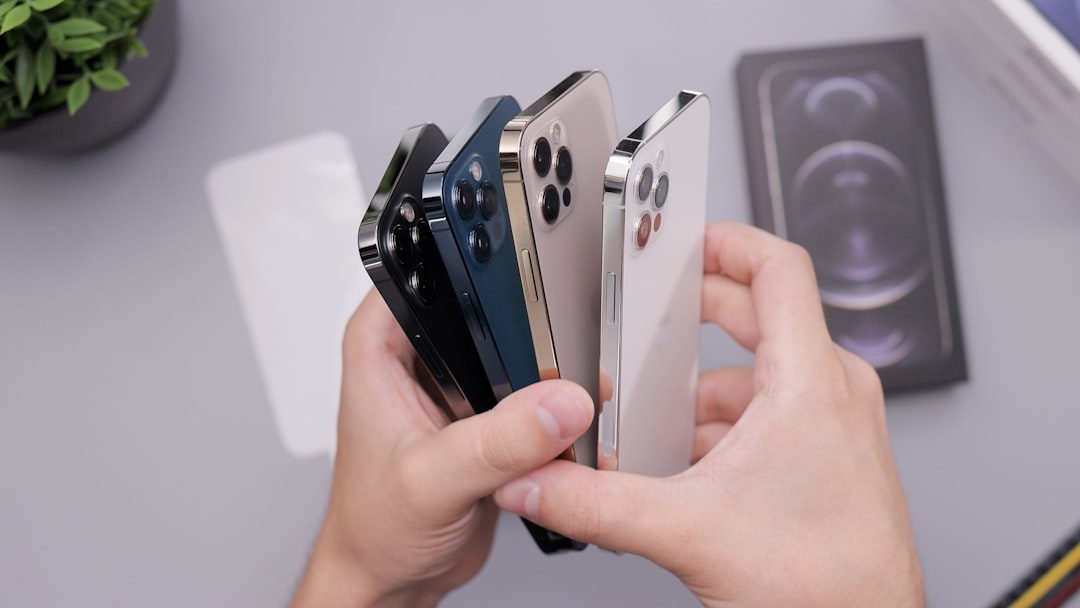
The launch of Apple’s iPhone in 2007 is often regarded as a watershed moment in the history of mobile technology. The iPhone’s sleek design, intuitive touchscreen interface, and robust app ecosystem set a new standard for smartphones. It not only redefined what a mobile phone could do but also sparked a wave of competition among manufacturers.
Following Apple’s lead, companies such as Samsung, HTC, and Google began to develop their own smartphones, each striving to offer unique features and capabilities. The rise of smartphones has fundamentally altered how individuals interact with technology and each other. With access to high-speed internet and a plethora of applications at their fingertips, users can now engage in social networking, online shopping, and entertainment on-the-go.
The proliferation of smartphones has also led to significant changes in consumer behaviour; people increasingly rely on their devices for information and communication rather than traditional methods. This shift has had profound implications for various sectors, including media, retail, and education.
The Impact of Mobile Technology on Society
| Metrics | Data |
|---|---|
| Mobile phone ownership | Over 5 billion people worldwide own a mobile phone |
| Internet access | Over 50% of global internet traffic comes from mobile devices |
| Social media usage | Over 3.6 billion people use social media on their mobile devices |
| Mobile commerce | Over 70% of e-commerce traffic comes from mobile devices |
| Healthcare access | Mobile technology has improved access to healthcare in remote areas |
Mobile technology has had a transformative impact on society, reshaping how individuals communicate, access information, and engage with one another. The ability to connect with others instantly has fostered a sense of global interconnectedness that was previously unimaginable. Social media platforms have flourished as a result, allowing users to share experiences and ideas across geographical boundaries.
This connectivity has not only facilitated personal relationships but has also played a crucial role in social movements and activism, enabling individuals to mobilise quickly and effectively. Moreover, mobile technology has democratized access to information. With smartphones acting as gateways to the internet, individuals can access news, educational resources, and entertainment from virtually anywhere.
This accessibility has empowered people to become more informed citizens and has contributed to a more engaged public discourse. However, it is essential to acknowledge that this rapid advancement has also led to challenges such as information overload and the spread of misinformation, necessitating critical thinking skills among users.
Mobile Technology and Business
The integration of mobile technology into business practices has revolutionised how companies operate and engage with customers. Mobile devices have become essential tools for professionals across various industries, enabling them to communicate efficiently and manage tasks remotely. The rise of mobile applications has further enhanced productivity by providing employees with access to essential tools and resources while on the move.
In addition to improving internal operations, mobile technology has transformed customer engagement strategies. Businesses now leverage mobile platforms to reach consumers directly through targeted advertising and personalised marketing campaigns. Mobile commerce (m-commerce) has gained traction as consumers increasingly prefer shopping via their smartphones due to convenience and ease of use.
This shift has prompted companies to optimise their websites for mobile devices and develop dedicated applications to enhance user experience.
The Future of Mobile Technology

As we look towards the future, it is evident that mobile technology will continue to evolve at an unprecedented pace. Emerging technologies such as 5G networks promise to enhance connectivity further by providing faster data speeds and lower latency. This advancement will enable new applications that require real-time data transmission, such as augmented reality (AR) and virtual reality (VR), which are poised to revolutionise industries ranging from gaming to healthcare.
Additionally, advancements in artificial intelligence (AI) are expected to play a significant role in shaping the future of mobile technology. AI-powered applications can provide personalised experiences by analysing user behaviour and preferences. As machine learning algorithms become more sophisticated, we can anticipate even greater integration between mobile devices and AI technologies, leading to smarter applications that anticipate user needs.
Mobile Security and Privacy Concerns
With the rapid proliferation of mobile technology comes an array of security and privacy concerns that warrant careful consideration. As smartphones store vast amounts of personal data—including contacts, messages, financial information, and location data—users are increasingly vulnerable to cyber threats such as hacking and identity theft. High-profile data breaches have underscored the importance of robust security measures to protect sensitive information.
Moreover, privacy concerns have arisen regarding how companies collect and utilise user data. Many applications require access to personal information in exchange for services, leading to questions about consent and transparency. Users must navigate these complexities while balancing convenience with privacy considerations.
As regulatory frameworks evolve to address these issues—such as the General Data Protection Regulation (GDPR) in Europe—companies will need to prioritise ethical data practices to maintain consumer trust.
The Environmental Impact of Mobile Technology
The environmental impact of mobile technology is an increasingly pressing concern as the demand for devices continues to rise. The production process for smartphones involves significant resource extraction, including rare minerals such as lithium and cobalt used in batteries. Mining these materials can lead to environmental degradation and contribute to pollution if not managed responsibly.
Furthermore, electronic waste (e-waste) poses a substantial challenge as millions of discarded devices accumulate each year. Improper disposal can result in hazardous materials leaching into the environment, posing risks to both human health and ecosystems. To mitigate these impacts, there is a growing emphasis on sustainable practices within the industry—such as recycling programmes and initiatives aimed at reducing carbon footprints during production.
In conclusion, while mobile technology has undoubtedly transformed communication and business practices in profound ways, it is essential to address the associated challenges thoughtfully. As we move forward into an increasingly connected world, balancing innovation with ethical considerations will be crucial in ensuring that mobile technology serves as a force for good in society while minimising its environmental footprint.
If you are interested in learning more about the latest advancements in mobile technology, you may want to check out the article on BOE’s announcement of a new 95-inch OLED display with 8K resolution and 120Hz refresh rate. This article delves into the cutting-edge technology being developed in the mobile industry, showcasing the incredible progress that has been made in recent years. It is a fascinating read for anyone looking to stay up-to-date with the latest trends in mobile technology.
FAQs
What is mobile technology?
Mobile technology refers to the technology used in mobile communication devices such as smartphones, tablets, and wearable devices. It includes both hardware and software components that enable these devices to connect to wireless networks, access the internet, and run various applications.
How has mobile technology evolved over time?
Mobile technology has evolved significantly since the introduction of the first mobile phone in the 1980s. Early mobile phones were large and bulky, with limited functionality. Over time, mobile technology has become more compact, powerful, and versatile, with the introduction of smartphones, high-speed wireless networks, and a wide range of mobile apps and services.
What are some key milestones in the evolution of mobile technology?
Key milestones in the evolution of mobile technology include the introduction of the first mobile phone in 1983, the launch of the first smartphone in 1992, the development of 3G and 4G wireless networks, and the widespread adoption of mobile apps and services. More recent milestones include the introduction of 5G networks and the development of foldable and flexible display technologies.
How has mobile technology impacted society?
Mobile technology has had a profound impact on society, transforming the way we communicate, work, and access information. It has enabled people to stay connected on the go, access a wide range of services and entertainment, and even manage their finances and health. Mobile technology has also played a key role in driving digital transformation and economic growth.
What are some current trends in mobile technology?
Some current trends in mobile technology include the development of 5G networks, the rise of mobile commerce and digital payments, the increasing use of artificial intelligence and machine learning in mobile apps, and the growing popularity of wearable devices and augmented reality. Other trends include the focus on privacy and security in mobile devices and the development of sustainable and eco-friendly mobile technologies.


