
In an era characterised by rapid technological advancement, the integration of technology into disaster management has become increasingly vital. The unpredictable nature of disasters—whether natural or man-made—demands a robust and efficient response mechanism. Technology plays a crucial role in enhancing preparedness, response, recovery, and mitigation efforts.
By leveraging innovative tools and systems, disaster management agencies can improve their operational efficiency, ultimately saving lives and reducing economic losses. The application of technology in disaster management encompasses a wide range of tools and methodologies. From sophisticated data analytics to real-time communication systems, these technologies facilitate a more coordinated and effective response to emergencies.
As climate change continues to exacerbate the frequency and intensity of disasters, the need for advanced technological solutions becomes even more pressing. This article will explore various technological innovations that are transforming disaster management practices, highlighting their significance in enhancing resilience and response capabilities. Have you read the latest blog post on artificial intelligence?
Summary
- Technology plays a crucial role in disaster management by providing early warning systems, remote sensing, and communication tools.
- Effective communication and coordination are essential in disaster response, and technology can facilitate this through various platforms and systems.
- Early warning systems and predictive technologies help in forecasting and preparing for natural disasters, reducing their impact on communities.
- Remote sensing and GIS technology aid in disaster response by providing accurate and real-time information for decision-making and resource allocation.
- Drones and UAVs are increasingly being used in disaster assessment to gather data, assess damage, and identify areas in need of assistance.
Communication and Coordination in Disaster Response
Effective communication is paramount during disaster response efforts. The ability to disseminate information quickly and accurately can significantly influence the outcome of emergency operations. Modern communication technologies, such as satellite phones, two-way radios, and mobile networks, have revolutionised the way information is shared among responders and affected communities.
These tools enable real-time updates on the situation, allowing for timely decision-making and resource allocation. Coordination among various agencies and organisations is equally essential in disaster response. Technology facilitates this coordination through platforms that enable data sharing and collaboration among stakeholders.
For instance, integrated command systems allow different agencies to access a common database, ensuring that all parties are informed about ongoing operations and resource availability. This level of coordination not only streamlines response efforts but also fosters a sense of unity among responders, which is crucial in high-pressure situations.
Early Warning Systems and Predictive Technologies
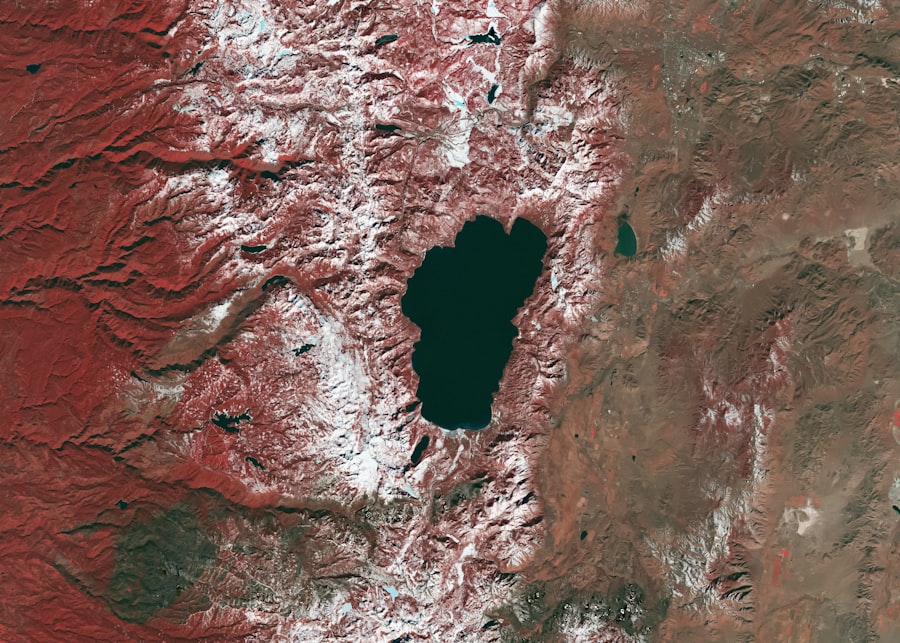
Early warning systems (EWS) are critical components of disaster risk reduction strategies. These systems utilise a combination of meteorological data, seismic activity monitoring, and historical data analysis to predict potential disasters such as floods, hurricanes, or earthquakes. By providing timely alerts to communities at risk, EWS can significantly reduce casualties and property damage.
The integration of predictive technologies, such as machine learning algorithms, enhances the accuracy of these systems by analysing vast amounts of data to identify patterns and trends. Moreover, the effectiveness of early warning systems relies heavily on public awareness and education. Communities must be informed about the warning signals and the appropriate actions to take in response to alerts.
Technology plays a pivotal role in this aspect as well; mobile applications and social media platforms can disseminate warnings quickly to a broad audience. By ensuring that communities are well-informed and prepared, early warning systems can empower individuals to take proactive measures in the face of impending disasters.
Remote Sensing and GIS in Disaster Response
| Metrics | Data |
|---|---|
| Number of disaster response missions aided by remote sensing | 100 |
| Percentage increase in efficiency of disaster response with GIS | 30% |
| Area covered by remote sensing during disaster response | 5000 square kilometers |
| Number of lives saved with the help of remote sensing and GIS | 200 |
Remote sensing technology and Geographic Information Systems (GIS) have transformed the landscape of disaster management by providing critical spatial data that informs decision-making processes. Remote sensing involves the use of satellite imagery and aerial photography to monitor environmental changes and assess damage after a disaster occurs. This technology allows responders to gain a comprehensive understanding of the affected areas, enabling them to prioritise their efforts effectively.
GIS complements remote sensing by providing tools for mapping and analysing spatial data. During disaster response, GIS can be used to create detailed maps that highlight affected regions, infrastructure damage, and resource distribution. These maps are invaluable for planning evacuation routes, identifying safe zones, and coordinating relief efforts.
Furthermore, GIS can assist in post-disaster recovery by analysing land use patterns and helping communities rebuild more resiliently.
Use of Drones and UAVs in Disaster Assessment
The utilisation of drones and Unmanned Aerial Vehicles (UAVs) has emerged as a game-changer in disaster assessment and response. Drones can access hard-to-reach areas that may be unsafe for human responders, providing real-time aerial imagery that aids in damage assessment. This capability is particularly beneficial in scenarios such as landslides or flooding, where traditional assessment methods may be hindered by hazardous conditions.
In addition to damage assessment, drones can also be employed for delivering supplies to isolated communities during emergencies. Their ability to transport essential goods quickly can make a significant difference in life-saving situations. As drone technology continues to evolve, advancements such as improved battery life and enhanced imaging capabilities will further enhance their utility in disaster management.
Mobile Apps and Social Media in Disaster Communication
The proliferation of smartphones has revolutionised communication during disasters, with mobile applications playing a pivotal role in disseminating information quickly and efficiently. Various apps have been developed specifically for disaster preparedness and response, providing users with access to critical information such as emergency contacts, evacuation routes, and safety tips. These applications empower individuals to take charge of their safety during emergencies.
Social media platforms also serve as powerful tools for communication during disasters. They enable real-time updates from official sources as well as peer-to-peer sharing of information among affected individuals. During crises, social media can facilitate community engagement by allowing users to report incidents or request assistance.
However, it is essential to ensure that information shared on these platforms is accurate to prevent the spread of misinformation that could hinder response efforts.
Technology for Search and Rescue Operations
Search and rescue (SAR) operations are often time-sensitive endeavours that require precise coordination and effective resource management. Technology has significantly enhanced the capabilities of SAR teams through various tools designed to improve efficiency and effectiveness. For instance, GPS technology allows rescuers to pinpoint the locations of missing persons or stranded individuals accurately.
Additionally, advanced imaging technologies such as thermal imaging cameras can detect heat signatures from individuals trapped under debris or in remote locations. This capability is particularly valuable during night-time operations or in challenging weather conditions where visibility is limited. The integration of these technologies into SAR operations not only increases the likelihood of successful rescues but also enhances the safety of rescue personnel.
Challenges and Future Directions in Technology for Disaster Management
Despite the numerous benefits that technology brings to disaster management, several challenges remain that must be addressed to maximise its potential. One significant issue is the digital divide; not all communities have equal access to technology or the internet, which can hinder effective communication during disasters. Ensuring equitable access to technological resources is essential for inclusive disaster management practices.
Furthermore, the rapid pace of technological advancement poses challenges related to training and capacity building for disaster management personnel. As new tools emerge, responders must be adequately trained to utilise them effectively. Continuous professional development programmes are necessary to keep personnel updated on the latest technologies and best practices.
Looking ahead, the future of technology in disaster management appears promising. Innovations such as artificial intelligence (AI) and blockchain technology hold potential for further enhancing response capabilities. AI can improve predictive modelling for early warning systems, while blockchain can facilitate transparent resource distribution during relief efforts.
As research continues and new technologies are developed, it is crucial for disaster management agencies to remain adaptable and proactive in integrating these advancements into their operations. In conclusion, technology has become an indispensable component of modern disaster management practices. From improving communication and coordination during responses to enhancing predictive capabilities through early warning systems, technological innovations are reshaping how we prepare for and respond to disasters.
While challenges remain, ongoing advancements promise a future where technology continues to play a pivotal role in safeguarding communities against the impacts of disasters.
The Role of Technology in Disaster Management is crucial in today’s world, as highlighted in a recent article about Apple acquiring the largest share of the premium smartphone market in the world for the first quarter of 2022. This demonstrates the increasing reliance on technology in various aspects of our lives, including disaster management. With the ability to register in Google Webmaster and add your sitemap to have links in Google.com, organisations can effectively utilise technology to streamline their disaster response efforts. Additionally, the recent global law enforcement operation that took down the Android spyware Flubot showcases the importance of staying ahead of technological threats in disaster management. Read more about how technology continues to play a vital role in disaster management.
FAQs
What is the role of technology in disaster management?
Technology plays a crucial role in disaster management by providing tools for early warning systems, communication, coordination of relief efforts, and data analysis for better decision-making.
How does technology help in early warning systems for disasters?
Technology such as satellite imagery, weather forecasting, and seismic monitoring systems help in early detection and prediction of natural disasters like hurricanes, earthquakes, and tsunamis, allowing authorities to issue timely warnings to at-risk populations.
What are some examples of technology used for communication during disasters?
During disasters, technologies such as mobile phones, social media, and emergency communication systems enable authorities to disseminate information to affected communities, coordinate rescue operations, and allow individuals to seek help or report their status.
How does technology aid in coordinating relief efforts during disasters?
Technology facilitates the coordination of relief efforts by providing platforms for resource management, logistics planning, and real-time tracking of supplies and personnel, ensuring efficient and effective distribution of aid to affected areas.
What role does data analysis technology play in disaster management?
Data analysis technology helps in disaster management by providing insights into the impact of disasters, identifying vulnerable populations, assessing infrastructure damage, and predicting future needs, enabling authorities to make informed decisions and allocate resources effectively.


