
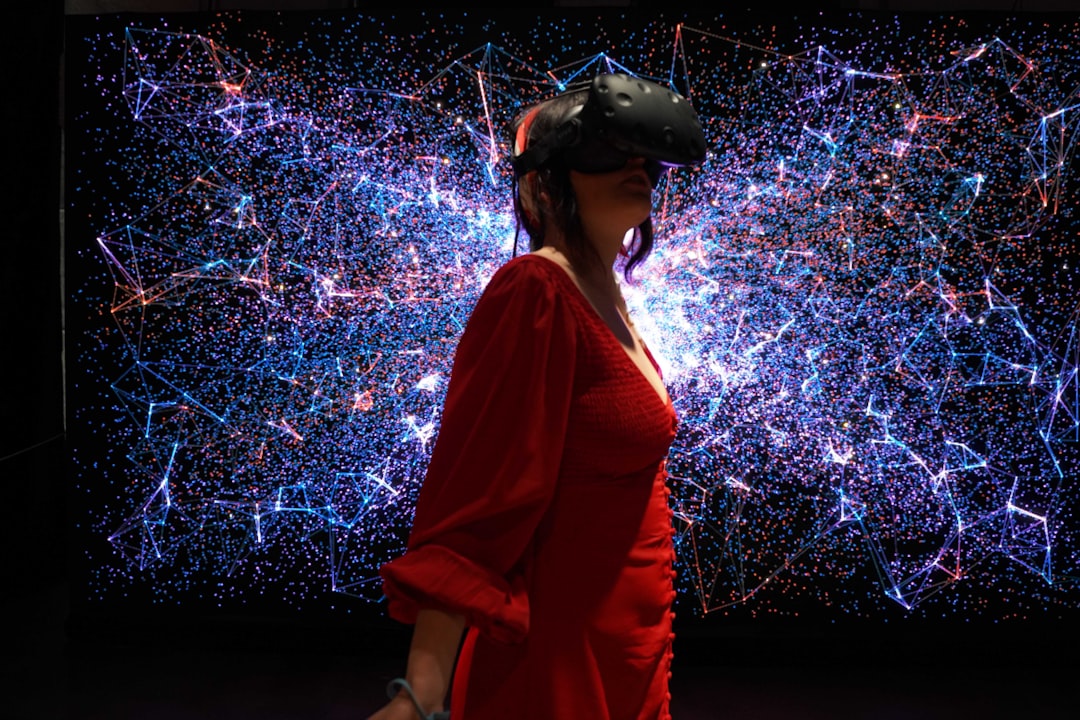
The term “Metaverse” refers to a collective virtual space that is created by the convergence of virtually enhanced physical reality and physically persistent virtual reality. It encompasses a wide array of digital environments where users can interact with each other and the computer-generated surroundings in real-time. The Metaverse is not merely a single virtual world; rather, it is an expansive network of interconnected digital spaces that can be accessed through various devices, including computers, smartphones, and virtual reality headsets.
This immersive experience allows users to engage in social interactions, gaming, commerce, and even education, all within a shared digital universe. At its core, the Metaverse aims to create a seamless blend of the physical and digital realms, enabling users to experience a sense of presence and agency within these environments. This concept has gained significant traction in recent years, particularly with advancements in technology such as augmented reality (AR), virtual reality (VR), and blockchain.
As a result, the Metaverse is often viewed as the next evolution of the internet, where users can not only consume content but also create and shape their own experiences in a more interactive and engaging manner. Have you read the latest blog post on artificial intelligence?
Summary
- The Metaverse is a collective virtual shared space, created by the convergence of virtually enhanced physical reality and physically persistent virtual reality.
- Virtual worlds have a long history, dating back to the 1970s with the creation of early text-based and graphical virtual environments.
- The Metaverse has the potential to impact society in various ways, from changing how we socialise and work to creating new economic opportunities.
- Virtual reality plays a crucial role in the Metaverse, providing immersive experiences and blurring the lines between the physical and digital worlds.
- The Metaverse presents numerous business opportunities, including virtual real estate, digital goods and services, and virtual events and experiences.
The History of Virtual Worlds
The Emergence of Graphical Interfaces
As technology progressed, graphical interfaces began to emerge, leading to the creation of more visually immersive environments. Notable examples include “Habbo Hotel” and “Second Life,” which gained popularity in the early 2000s by offering users the ability to create avatars and engage in social activities within a 3D space.
The Rise of Massively Multiplayer Online Games
The evolution of virtual worlds continued with the rise of massively multiplayer online games (MMOs) such as “World of Warcraft” and “EVE Online.” These platforms not only provided entertainment but also fostered communities where players could collaborate, compete, and build relationships. The success of these games demonstrated the potential for virtual worlds to serve as social spaces, paving the way for the concept of the Metaverse as we understand it today.
The Impact of VR and AR Technologies
As technology advanced further, particularly with the advent of VR and AR technologies, the possibilities for creating more immersive and interactive experiences expanded significantly.
The Impact of the Metaverse on Society
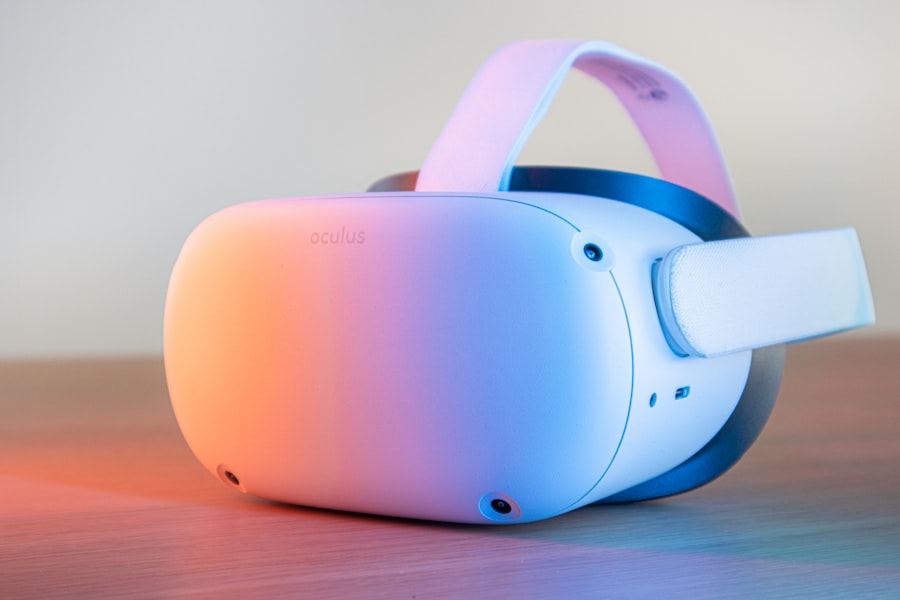
The emergence of the Metaverse has profound implications for society at large. One of the most significant impacts is the transformation of social interactions. As people increasingly engage in virtual environments, traditional notions of community and connection are evolving.
The Metaverse allows individuals from diverse geographical locations to come together in shared spaces, fostering a sense of belonging that transcends physical boundaries. This shift has been particularly evident during global events such as the COVID-19 pandemic, where virtual gatherings became essential for maintaining social ties. Moreover, the Metaverse has the potential to reshape various aspects of daily life, including work, education, and entertainment.
Remote work has gained traction in recent years, and the Metaverse offers innovative solutions for collaboration and communication among teams. Virtual offices can simulate real-world environments, enabling employees to interact as if they were physically present together. In education, immersive learning experiences can enhance engagement and retention by allowing students to explore complex concepts in interactive ways.
As these trends continue to develop, it is crucial to consider how they will influence societal norms and behaviours.
The Role of Virtual Reality in the Metaverse
| Metrics | Data |
|---|---|
| Number of VR users | Estimated 171 million by 2018 |
| VR market size | Expected to reach £16.3 billion by 2022 |
| VR in the metaverse | Enables immersive experiences and interactions |
| VR applications | Virtual meetings, gaming, education, training |
Virtual reality plays a pivotal role in shaping the Metaverse experience. By providing users with immersive environments that simulate real-world interactions, VR technology enhances the sense of presence and engagement within digital spaces. Users can don VR headsets to enter fully realised 3D worlds where they can interact with others and their surroundings in ways that feel natural and intuitive.
This level of immersion is a key differentiator between traditional online experiences and those offered by the Metaverse. The integration of VR into the Metaverse also opens up new avenues for creativity and expression. Users can design their own virtual spaces, create unique avatars, and participate in activities that reflect their interests and personalities.
This creative freedom fosters a sense of ownership over one’s digital identity and environment, encouraging individuals to explore new forms of self-expression. As VR technology continues to advance, it is likely that these experiences will become even more sophisticated, further blurring the lines between reality and virtuality.
The Business Opportunities in the Metaverse
The Metaverse presents a wealth of business opportunities across various sectors. Companies are beginning to recognise the potential for engaging customers in innovative ways through immersive experiences. For instance, brands can create virtual storefronts where consumers can browse products in a 3D environment before making purchases.
This approach not only enhances customer engagement but also provides valuable data on consumer behaviour that can inform marketing strategies. Additionally, the rise of non-fungible tokens (NFTs) within the Metaverse has opened new avenues for monetisation. Artists and creators can sell unique digital assets that represent ownership of virtual items or experiences.
This has led to a burgeoning market for digital art, collectibles, and virtual real estate. As businesses continue to explore these opportunities, it is essential for them to adapt their strategies to align with the evolving landscape of consumer preferences within the Metaverse.
The Ethical and Legal Considerations of the Metaverse
As the Metaverse continues to grow, it raises important ethical and legal considerations that must be addressed. One significant concern is user privacy and data security. With vast amounts of personal information being shared within these digital environments, ensuring that users’ data is protected from breaches or misuse is paramount.
Companies operating within the Metaverse must implement robust security measures and transparent data policies to build trust with their users. Another critical issue pertains to intellectual property rights within virtual spaces. As users create content—be it art, music, or virtual goods—questions arise regarding ownership and copyright protection.
The decentralised nature of many Metaverse platforms complicates these issues further, necessitating clear guidelines and regulations to protect creators’ rights while fostering innovation. Addressing these ethical and legal challenges will be crucial for ensuring a safe and equitable environment for all participants in the Metaverse.
The Future of the Metaverse
Looking ahead, the future of the Metaverse appears promising yet complex. As technology continues to advance at an unprecedented pace, we can expect significant developments in areas such as artificial intelligence (AI), blockchain, and connectivity that will shape how we interact with digital environments. The integration of AI could lead to more responsive and adaptive virtual experiences, while blockchain technology may provide secure frameworks for transactions and ownership within these spaces.
Moreover, as more individuals become accustomed to engaging with virtual environments, societal attitudes towards the Metaverse are likely to evolve. This shift may lead to increased acceptance of virtual interactions as legitimate forms of communication and collaboration. However, it will also be essential to address potential challenges related to mental health and well-being as individuals navigate their identities within both physical and digital realms.
Navigating the Metaverse: Tips for New Users
For those venturing into the Metaverse for the first time, there are several tips that can enhance your experience. Firstly, take time to explore different platforms before settling on one that resonates with your interests. Each environment offers unique features and communities; finding one that aligns with your preferences will enrich your engagement.
Secondly, consider creating an avatar that reflects your personality while also respecting community guidelines. Your avatar serves as your digital identity within these spaces; therefore, it is essential to approach this aspect thoughtfully. Additionally, engage with others respectfully—building connections is a fundamental aspect of the Metaverse experience.
Lastly, stay informed about developments within the Metaverse landscape. As this space evolves rapidly, being aware of new technologies, trends, and best practices will help you navigate effectively while maximising your enjoyment and participation in this exciting digital frontier.
In a recent article on IBM unveiling the industry’s first quantum secure system, the technological advancements in virtual worlds and their impact on society are further highlighted. The development of quantum secure systems could potentially revolutionise the way we interact with virtual environments, ensuring a higher level of security and privacy for users. As we delve deeper into the metaverse, it is crucial to consider the implications of such cutting-edge technologies on our digital experiences.
FAQs
What is the Metaverse?
The Metaverse is a collective virtual shared space, created by the convergence of virtually enhanced physical reality and physically persistent virtual reality. It is a concept that refers to a collective virtual shared space, created by the convergence of virtually enhanced physical reality and physically persistent virtual reality.
What are Virtual Worlds?
Virtual worlds are computer-based simulated environments that can be accessed by multiple users through the internet. These environments are often designed to resemble real-world settings and can be used for various purposes, including social interaction, gaming, and education.
How do Virtual Worlds Impact Society?
Virtual worlds have the potential to impact society in various ways, including changing the way people interact and socialize, providing new opportunities for education and training, and creating new forms of entertainment and leisure activities.
What are the Potential Benefits of the Metaverse?
The potential benefits of the Metaverse include enhanced social interaction, new opportunities for creativity and self-expression, improved access to education and training, and the development of new forms of entertainment and leisure activities.
What are the Potential Risks of the Metaverse?
The potential risks of the Metaverse include issues related to privacy and security, the potential for addiction and excessive escapism, and the possibility of creating new forms of inequality and exclusion.
How is the Metaverse Being Developed?
The development of the Metaverse is being driven by advances in technology, including virtual reality, augmented reality, and artificial intelligence. Companies and developers are also working on creating platforms and applications that can support the creation and exploration of virtual worlds.


