

Precision farming, also known as precision agriculture, represents a transformative approach to farming that leverages advanced technologies to enhance crop yields and optimise resource use. This methodology is characterised by its data-driven decision-making processes, which allow farmers to monitor and manage their fields with unprecedented accuracy. By integrating various technologies such as GPS, IoT devices, and data analytics, precision farming enables farmers to tailor their practices to the specific needs of their crops and soil conditions.
This shift from traditional farming methods to a more scientific approach not only increases efficiency but also promotes sustainability in agricultural practices. The advent of precision farming has been largely facilitated by the rapid advancements in technology, particularly in the fields of artificial intelligence (AI) and machine learning. These innovations have made it possible for farmers to collect and analyse vast amounts of data, leading to more informed decisions regarding planting, irrigation, fertilisation, and pest control.
As the global population continues to rise, the demand for food production intensifies, making precision farming an essential component of modern agriculture. By harnessing the power of AI, farmers can not only meet this growing demand but also do so in a manner that conserves resources and minimises environmental impact. Have you read the latest blog post on artificial intelligence?
Summary
- Precision farming involves using technology to optimize agricultural practices and increase efficiency.
- AI in agriculture brings benefits such as improved decision-making, resource optimization, and increased productivity.
- AI technologies used in precision farming include machine learning, computer vision, and robotics.
- Successful case studies of AI implementation in agriculture include crop monitoring, yield prediction, and autonomous farming equipment.
- Challenges and limitations of AI in agriculture include high initial costs, data privacy concerns, and the digital divide in rural areas.
Benefits of AI in Agriculture
Enhanced Decision-Making
One of the most significant advantages is the enhancement of decision-making processes. AI systems can analyse complex datasets, identifying patterns and trends that may not be immediately apparent to human operators. This capability allows farmers to make more informed choices regarding crop management, leading to improved yields and reduced waste.
Optimising Resource Allocation
For instance, AI can predict optimal planting times based on weather patterns and soil conditions, ensuring that crops are sown at the most advantageous moments. Moreover, AI contributes to resource efficiency by enabling precise application of inputs such as water, fertilisers, and pesticides. Traditional farming often involves blanket applications of these resources, which can lead to overuse and environmental degradation.
Sustainability and Environmental Responsibility
In contrast, AI-driven precision farming techniques allow for targeted applications based on real-time data analysis. This not only reduces costs for farmers but also mitigates the negative environmental impacts associated with excessive chemical use. Consequently, the adoption of AI in agriculture aligns with broader sustainability goals, promoting practices that are both economically viable and environmentally responsible.
AI Technologies Used in Precision Farming

A variety of AI technologies are currently being employed in precision farming, each contributing uniquely to the optimisation of agricultural practices. One prominent technology is machine learning, which enables systems to learn from data inputs and improve their predictions over time. For example, machine learning algorithms can analyse historical yield data alongside current environmental conditions to forecast future crop performance.
This predictive capability allows farmers to adjust their strategies proactively rather than reactively. Another significant technology is computer vision, which utilises image recognition algorithms to monitor crop health and growth stages. Drones equipped with high-resolution cameras can capture images of fields from above, allowing for detailed analysis of plant health indicators such as colour and density.
This information can be used to identify areas requiring attention, such as those suffering from disease or nutrient deficiencies. Additionally, IoT devices play a crucial role in precision farming by collecting real-time data on soil moisture levels, temperature, and other critical factors. This data can be integrated with AI systems to provide actionable insights that enhance farm management practices.
Case Studies of Successful Implementation of AI in Agriculture
| Case Study | AI Implementation | Impact |
|---|---|---|
| Harvesting Robots | AI-powered robots for automated harvesting | Increased efficiency and reduced labour costs |
| Precision Farming | AI algorithms for precise crop monitoring and management | Improved crop yield and resource utilization |
| Weed Detection | AI-based image recognition for weed identification | Reduced herbicide usage and improved crop health |
Several case studies illustrate the successful implementation of AI technologies in agriculture, showcasing their potential to revolutionise farming practices. One notable example is the use of AI by a large-scale vineyard in California. By employing machine learning algorithms to analyse weather data and soil conditions, the vineyard was able to optimise irrigation schedules and reduce water usage by 30%.
This not only resulted in cost savings but also contributed to more sustainable water management practices in a region facing significant drought challenges. Another compelling case is that of a UK-based arable farm that integrated AI-driven precision agriculture tools into its operations. By utilising computer vision technology alongside drone imagery, the farm was able to monitor crop health across its fields more effectively.
The insights gained from this analysis allowed the farm to implement targeted interventions for pest control and fertilisation, leading to a 20% increase in overall yield while significantly reducing chemical inputs. These examples highlight how AI can be harnessed to improve efficiency and sustainability in agriculture, providing a roadmap for other farms looking to adopt similar technologies.
Challenges and Limitations of AI in Agriculture
Despite the numerous advantages associated with AI in agriculture, several challenges and limitations must be addressed for widespread adoption. One significant barrier is the high initial investment required for implementing advanced technologies. Many smallholder farmers may lack the financial resources necessary to acquire sophisticated equipment or software solutions.
This disparity can lead to a digital divide within the agricultural sector, where only larger farms benefit from technological advancements while smaller operations struggle to keep pace. Additionally, there are concerns regarding data privacy and security in the agricultural sector. As farms increasingly rely on data collection and analysis, the potential for data breaches or misuse becomes a pressing issue.
Farmers must navigate the complexities of data ownership and ensure that their information is protected from unauthorised access. Furthermore, there is a need for training and education to equip farmers with the skills necessary to effectively utilise AI technologies. Without adequate support and resources, the potential benefits of AI may remain untapped for many agricultural producers.
Future Prospects of AI in Precision Farming
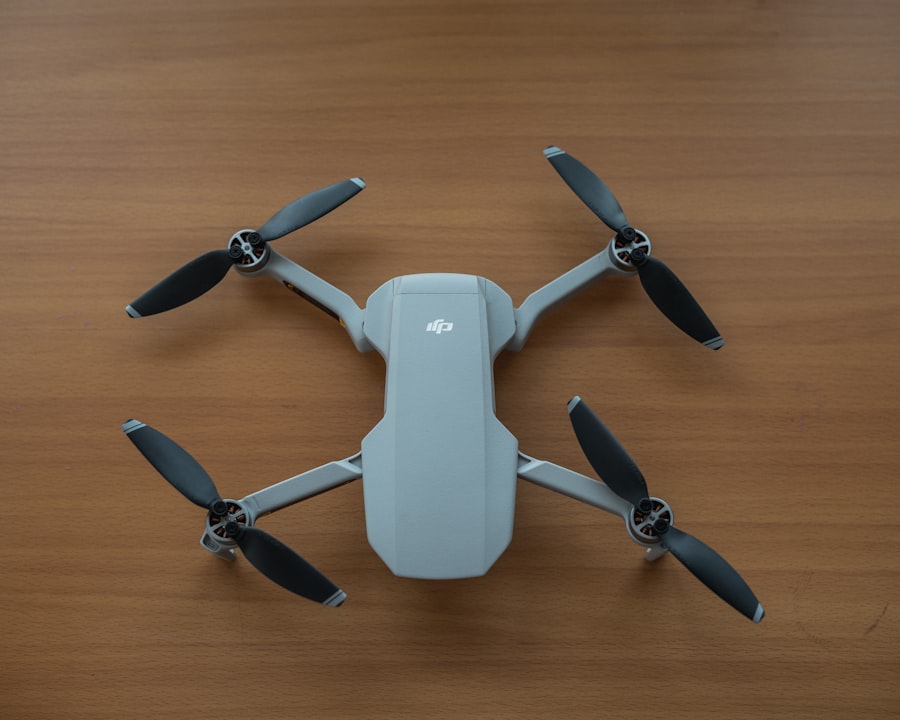
The future prospects of AI in precision farming appear promising as technology continues to evolve and become more accessible. As advancements in machine learning and data analytics progress, we can expect even more sophisticated tools that provide deeper insights into agricultural practices. For instance, the development of autonomous farming equipment powered by AI could revolutionise labour-intensive tasks such as planting and harvesting, reducing reliance on manual labour while increasing efficiency.
Moreover, as global challenges such as climate change and food security become increasingly pressing, the role of AI in agriculture will likely expand further. Innovations such as predictive analytics could help farmers adapt their practices in response to changing environmental conditions, ensuring resilience in the face of uncertainty. Additionally, collaborations between technology companies and agricultural stakeholders will be crucial in driving research and development efforts aimed at creating tailored solutions for specific farming contexts.
Ethical and Environmental Considerations in AI Revolutionizing Agriculture
As AI continues to revolutionise agriculture, it is essential to consider the ethical and environmental implications associated with its implementation. One key ethical concern revolves around equity in access to technology. Ensuring that smallholder farmers have access to AI tools is vital for promoting inclusivity within the agricultural sector.
Policymakers must work towards creating frameworks that support equitable access while addressing potential disparities between large agribusinesses and smaller farms. From an environmental perspective, while AI has the potential to enhance sustainability through efficient resource use, it is crucial to monitor its impact on biodiversity and ecosystems. The reliance on data-driven approaches may inadvertently lead to homogenisation of farming practices if not managed carefully.
Therefore, it is essential for stakeholders to adopt a holistic view that considers both technological advancements and their broader ecological implications.
Conclusion and Recommendations for Implementing AI in Agriculture
In conclusion, the integration of AI into precision farming presents a significant opportunity for enhancing agricultural productivity while promoting sustainability. The benefits of improved decision-making processes and resource efficiency are clear; however, challenges related to access, data privacy, and training must be addressed to ensure widespread adoption. As we look towards the future of agriculture, it is imperative that stakeholders collaborate to create an inclusive environment where all farmers can benefit from technological advancements.
To facilitate successful implementation of AI in agriculture, several recommendations can be made. Firstly, governments should invest in infrastructure that supports digital connectivity in rural areas, ensuring that all farmers have access to necessary technologies. Secondly, educational programmes should be developed to equip farmers with the skills needed to utilise AI tools effectively.
Finally, fostering partnerships between technology companies and agricultural organisations can drive innovation while ensuring that solutions are tailored to meet the diverse needs of farmers across different contexts. By taking these steps, we can harness the full potential of AI in agriculture for a more sustainable future.
In a recent article on smart agriculture and precision farming, the use of AI technology has been highlighted as a game-changer in the industry. This innovative approach allows farmers to monitor and manage their crops more efficiently, leading to increased yields and reduced environmental impact. For further reading on the impact of technology in agriculture, check out this fascinating article on how personal revenge deprived North Korea of the internet. It delves into the world of cyber attacks and their unexpected consequences on a national scale.
FAQs
What is precision farming in smart agriculture?
Precision farming, also known as precision agriculture, is a farming management concept that uses technology to ensure that crops and soil receive exactly what they need for optimum health and productivity. This approach involves using data, such as soil and crop monitoring, to make informed decisions about planting, irrigation, fertilization, and pest control.
How does AI contribute to precision farming?
AI (Artificial Intelligence) plays a crucial role in precision farming by analysing large amounts of data collected from various sources, such as sensors, drones, and satellites. AI algorithms can process this data to provide insights and recommendations for farmers, such as identifying areas of the field that require specific attention, predicting crop yields, and optimising resource usage.
What are the benefits of using AI in smart agriculture?
Using AI in smart agriculture offers several benefits, including improved crop yields, reduced resource wastage, lower production costs, and more sustainable farming practices. AI can also help farmers make better-informed decisions, leading to increased efficiency and profitability.
What are some examples of AI applications in smart agriculture?
AI applications in smart agriculture include crop monitoring and disease detection using image recognition, predictive analytics for weather and market trends, autonomous farming equipment for precision planting and harvesting, and smart irrigation systems that adjust water usage based on real-time data.
What are the challenges of implementing AI in smart agriculture?
Challenges of implementing AI in smart agriculture include the initial cost of technology adoption, the need for reliable connectivity in rural areas, data privacy and security concerns, and the requirement for training and upskilling farmers to effectively use AI tools and technologies. Additionally, integrating AI systems with existing farm management practices can be a complex process.


