
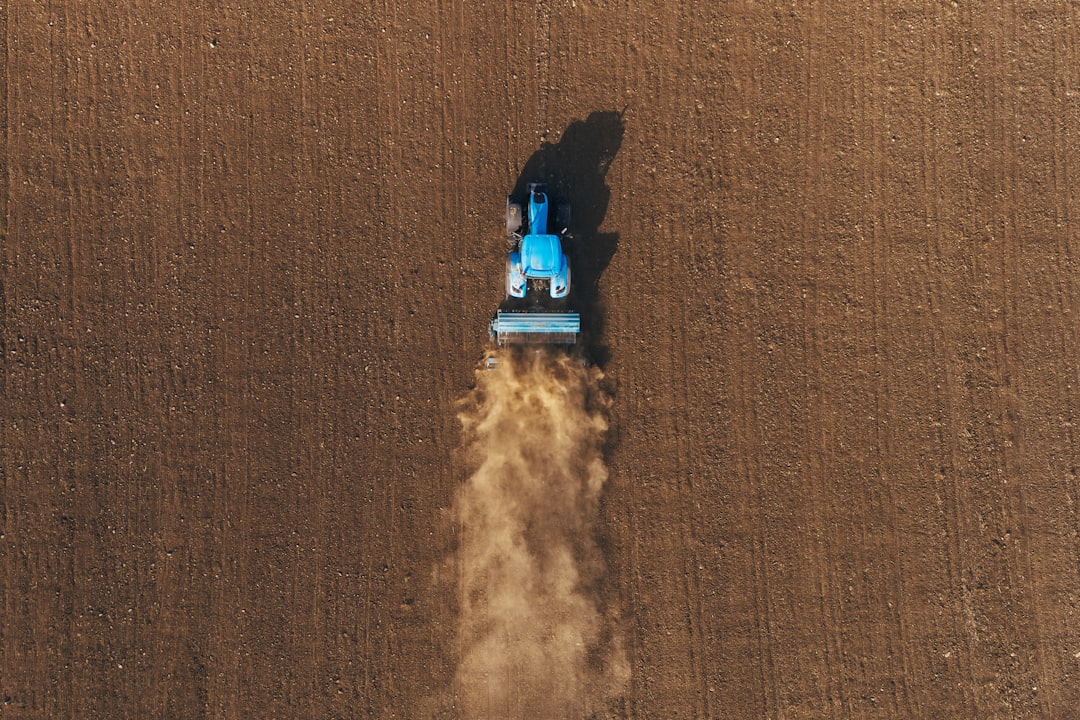
The integration of artificial intelligence (AI) into food production represents a transformative shift in how agricultural practices are conducted. As the global population continues to rise, the demand for food is escalating, necessitating innovative solutions to enhance productivity and efficiency. AI technologies, including machine learning, data analytics, and robotics, are increasingly being employed to address these challenges.
By harnessing vast amounts of data, AI can provide insights that were previously unattainable, enabling farmers and producers to make informed decisions that optimise yield and resource use. Moreover, the application of AI in food production is not limited to enhancing output; it also encompasses improving sustainability and reducing waste. With climate change posing significant threats to traditional farming methods, AI offers tools that can help mitigate these risks.
From precision agriculture to predictive analytics, the potential of AI to revolutionise food production is immense. This article will explore the various dimensions of AI’s role in food production, examining its impact on crop management, livestock farming, food processing, sustainability, and more. Have you read the latest blog post on artificial intelligence?
Summary
- AI is revolutionizing food production by enhancing efficiency, productivity, and sustainability.
- AI plays a crucial role in crop monitoring and management, helping farmers make data-driven decisions to optimize yields and reduce resource wastage.
- In livestock and dairy farming, AI is being used to monitor animal health, improve breeding practices, and enhance milk production.
- The use of AI in food processing and packaging is streamlining operations, ensuring quality control, and reducing food waste.
- AI is contributing to sustainable agriculture by enabling precision farming, reducing chemical usage, and promoting environmental conservation.
AI’s Role in Crop Monitoring and Management
AI technologies are increasingly being utilised for crop monitoring and management, providing farmers with sophisticated tools to enhance their agricultural practices. One of the most significant advancements is the use of drones and satellite imagery combined with AI algorithms to monitor crop health. These technologies can analyse vast areas of farmland quickly and accurately, identifying issues such as pest infestations, nutrient deficiencies, or water stress.
By processing this data in real-time, farmers can make timely interventions that can significantly improve crop yields. In addition to monitoring, AI also plays a crucial role in precision agriculture. By employing machine learning models that analyse historical data alongside current environmental conditions, farmers can optimise planting schedules, irrigation practices, and fertilisation strategies.
This targeted approach not only maximises productivity but also minimises resource wastage. For instance, AI systems can determine the precise amount of water needed for specific crops at different growth stages, thereby conserving water resources while ensuring optimal growth conditions.
AI’s Impact on Livestock and Dairy Farming
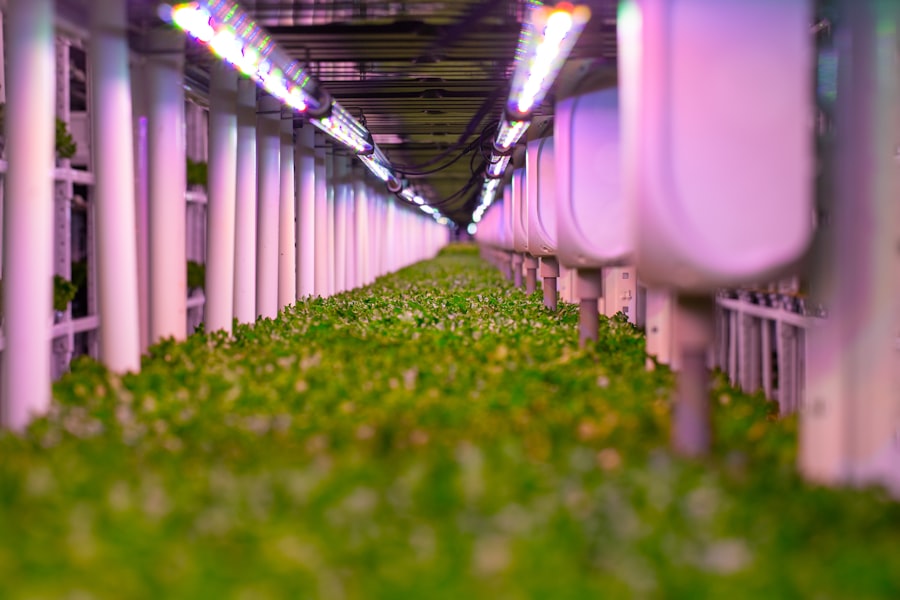
The application of AI in livestock and dairy farming is transforming traditional practices and enhancing productivity. One of the most notable advancements is the use of AI-driven monitoring systems that track animal health and behaviour. Wearable sensors and cameras equipped with AI capabilities can monitor vital signs, feeding patterns, and movement behaviours of livestock.
This data allows farmers to detect early signs of illness or distress, enabling timely interventions that can prevent disease outbreaks and improve overall herd health. Furthermore, AI is revolutionising dairy farming through automated milking systems and herd management software. These technologies not only streamline the milking process but also provide valuable insights into milk production trends and animal welfare.
By analysing data on milk yield and quality, farmers can make informed decisions regarding breeding and feeding practices. This not only enhances productivity but also contributes to better animal welfare standards by ensuring that livestock are healthy and well-cared for.
The Use of AI in Food Processing and Packaging
| Metrics | Data |
|---|---|
| Reduction in food waste | Up to 50% reduction in food waste through AI-powered quality control |
| Improvement in efficiency | AI can improve processing and packaging efficiency by 20-30% |
| Enhanced food safety | AI can detect contaminants and ensure food safety with 99% accuracy |
| Cost savings | AI implementation can lead to significant cost savings in the long run |
AI’s influence extends beyond the fields into food processing and packaging, where it is enhancing efficiency and quality control. In food processing facilities, AI systems are employed to monitor production lines, ensuring that products meet safety and quality standards. Machine learning algorithms can analyse data from sensors to detect anomalies in production processes, allowing for immediate corrective actions.
This proactive approach reduces waste and ensures that consumers receive high-quality products. In terms of packaging, AI is facilitating innovations that enhance sustainability. Smart packaging solutions powered by AI can monitor the freshness of food products and provide real-time information to consumers about their quality.
For instance, packaging equipped with sensors can detect spoilage or contamination, alerting consumers before they purchase or consume a product. This not only improves food safety but also reduces food waste by ensuring that products are consumed while still fresh.
AI’s Contribution to Sustainable Agriculture
Sustainability is a critical concern in modern agriculture, and AI is playing a pivotal role in promoting sustainable practices. By optimising resource use and minimising environmental impact, AI technologies contribute significantly to sustainable agriculture. For example, precision farming techniques powered by AI enable farmers to apply fertilisers and pesticides more efficiently, reducing chemical runoff into waterways and minimising harm to surrounding ecosystems.
Additionally, AI can assist in crop rotation planning and soil health monitoring. By analysing soil data and historical crop performance, AI systems can recommend optimal crop rotations that enhance soil fertility and reduce pest pressures. This holistic approach not only improves yields but also promotes biodiversity within agricultural systems.
As consumers increasingly demand sustainably produced food, the role of AI in facilitating these practices will become even more critical.
The Future of AI in Food Safety and Quality Control
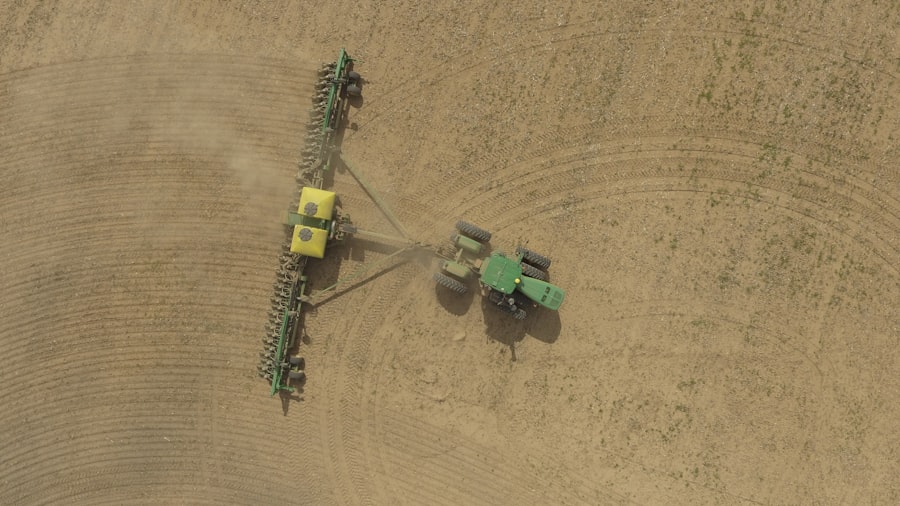
As the food industry continues to evolve, the future of AI in food safety and quality control looks promising. With increasing regulatory scrutiny and consumer awareness regarding food safety issues, AI technologies are poised to play a central role in ensuring compliance with safety standards. Advanced analytics can be employed to track food products throughout the supply chain, from farm to table, identifying potential hazards at each stage.
Moreover, AI-driven predictive analytics can help companies anticipate potential quality issues before they arise. By analysing historical data on production processes and consumer feedback, businesses can identify patterns that may indicate future problems. This proactive approach not only enhances product quality but also builds consumer trust in brands committed to safety and transparency.
AI’s Influence on Food Distribution and Supply Chain Management
The integration of AI into food distribution and supply chain management is streamlining operations and enhancing efficiency across the industry. With complex supply chains often spanning multiple countries and involving numerous stakeholders, AI technologies are essential for optimising logistics and reducing costs. Machine learning algorithms can analyse data on demand patterns, inventory levels, and transportation routes to improve decision-making regarding stock management and distribution strategies.
Furthermore, AI can enhance traceability within the supply chain by providing real-time visibility into product movement. This capability is particularly important in addressing food safety concerns; should a contamination issue arise, companies can quickly trace affected products back through the supply chain to identify the source of the problem. This level of transparency not only protects consumers but also helps businesses mitigate risks associated with recalls or safety breaches.
Challenges and Ethical Considerations in AI Revolutionizing Food Production
Despite the numerous benefits associated with the integration of AI into food production, several challenges and ethical considerations must be addressed. One significant concern is data privacy; as farmers increasingly rely on data-driven technologies, safeguarding sensitive information becomes paramount. Ensuring that data collected from farms is used responsibly and ethically is essential for maintaining trust between technology providers and agricultural stakeholders.
Additionally, there are concerns regarding the potential displacement of labour due to automation driven by AI technologies. While these innovations can enhance efficiency and productivity, they may also lead to job losses in certain sectors of agriculture. It is crucial for policymakers to consider strategies that support workforce transition through training programmes that equip workers with skills relevant to an evolving agricultural landscape.
In conclusion, while the integration of AI into food production presents remarkable opportunities for enhancing efficiency, sustainability, and safety within the industry, it also necessitates careful consideration of ethical implications and challenges. As technology continues to advance, a balanced approach that prioritises both innovation and responsibility will be essential for shaping the future of food production in a way that benefits all stakeholders involved.
AI and the Future of Food Production is a fascinating topic that explores how technology is revolutionising the agricultural industry. With the rise of artificial intelligence, farmers are able to increase efficiency and productivity in ways never before possible. This article delves into the potential impact of AI on food production, highlighting the benefits and challenges that come with this new technology. For more information on how technology is shaping our future, check out this article on BMW increasing production of electric cars to rival Tesla.
FAQs
What is AI?
AI stands for artificial intelligence, which refers to the simulation of human intelligence in machines that are programmed to think and learn like humans.
How is AI used in food production?
AI is used in food production for various tasks such as crop monitoring, yield prediction, pest control, and quality inspection. It helps in making farming more efficient and sustainable.
What are the benefits of using AI in food production?
The use of AI in food production can lead to increased productivity, reduced waste, lower production costs, and more sustainable farming practices. It can also help in addressing food security challenges.
What are the potential challenges of using AI in food production?
Challenges of using AI in food production include the initial cost of implementing AI technology, data privacy and security concerns, and the potential impact on employment in the agricultural sector.
How is AI expected to impact the future of food production?
AI is expected to revolutionize the future of food production by enabling precision agriculture, autonomous farming equipment, and advanced data-driven decision making. This can lead to more efficient and sustainable food production systems.


 into food production represents a transformative shift in how agricultural practices are conducted...)