

In recent years, the landscape of productivity has been transformed by the advent of artificial intelligence (AI) tools. These innovative technologies have become indispensable in our daily lives, enhancing our ability to manage tasks, communicate effectively, and streamline workflows. As we navigate an increasingly complex world filled with information overload and competing priorities, AI tools offer us a way to reclaim our time and focus on what truly matters.
By harnessing the power of AI, we can optimize our productivity and achieve our goals more efficiently. The integration of AI into our work processes is not merely a trend; it represents a fundamental shift in how we approach productivity. From automating mundane tasks to providing insights that drive decision-making, AI tools are designed to augment our capabilities rather than replace them.
As we explore the various applications of AI in productivity, we will uncover how these tools can help us work smarter, not harder, ultimately leading to a more balanced and fulfilling professional life.
Key Takeaways
- AI tools can significantly enhance productivity by automating tasks and providing personalized assistance.
- Effective task management and organization AI tools can help streamline workflows and improve efficiency.
- AI tools for communication and collaboration can facilitate seamless interaction and teamwork among team members.
- Time management and scheduling AI tools can optimize time allocation and improve productivity.
- Content creation and editing AI tools can assist in generating high-quality content and refining it efficiently.
Task Management and Organization
One of the most significant ways AI tools enhance productivity is through task management and organization. We often find ourselves juggling multiple responsibilities, which can lead to feelings of overwhelm and disorganization. AI-driven task management applications can help us prioritize our tasks based on urgency and importance, ensuring that we focus on what needs to be done first.
These tools can analyze our workload and suggest optimal schedules, allowing us to allocate our time more effectively. Moreover, AI tools can assist us in breaking down larger projects into manageable tasks. By providing us with a clear roadmap, these applications help us visualize our progress and stay motivated.
We can set deadlines, assign tasks to team members, and track completion rates in real-time. This level of organization not only enhances our individual productivity but also fosters collaboration within teams, as everyone is on the same page regarding project timelines and responsibilities.
Communication and Collaboration

Effective communication is the cornerstone of any successful team or organization. AI tools have revolutionized the way we interact with one another, making it easier for us to share information and collaborate on projects. With features like chatbots and virtual assistants, we can streamline communication channels and ensure that important messages are not lost in the shuffle.
These tools can also help us manage our emails more efficiently by categorizing messages based on priority or context. In addition to improving communication, AI tools facilitate collaboration by providing platforms where team members can work together seamlessly. Cloud-based applications allow us to share documents, edit files in real-time, and provide feedback instantaneously.
This level of collaboration fosters creativity and innovation, as diverse perspectives can be integrated into projects without the constraints of geographical boundaries. By leveraging AI for communication and collaboration, we can create a more cohesive work environment that drives productivity.
Time Management and Scheduling
| Metrics | Value |
|---|---|
| Productivity | 85% |
| Meeting Attendance | 95% |
| Task Completion Rate | 90% |
| On-time Project Delivery | 80% |
Time management is a critical component of productivity, and AI tools are uniquely positioned to help us optimize how we allocate our time. With features like intelligent scheduling assistants, we can automate the process of setting up meetings and appointments. These tools analyze our calendars and suggest optimal times for meetings based on availability, reducing the back-and-forth communication that often accompanies scheduling.
Furthermore, AI-driven time tracking applications allow us to monitor how we spend our time throughout the day. By identifying patterns in our work habits, we can pinpoint areas where we may be wasting time or becoming distracted. This self-awareness empowers us to make informed decisions about how to structure our days for maximum efficiency.
By embracing AI for time management and scheduling, we can take control of our time and ensure that we are making the most of every moment.
Content Creation and Editing
In an age where content is king, the ability to create high-quality material quickly is essential for maintaining a competitive edge. AI tools have emerged as valuable allies in the content creation process, offering features that assist with everything from brainstorming ideas to editing final drafts. For instance, AI-powered writing assistants can generate topic suggestions based on current trends or help us refine our writing style by providing real-time feedback on grammar and clarity.
Moreover, these tools can significantly reduce the time spent on editing and proofreading. By utilizing natural language processing algorithms, AI can identify errors that may have gone unnoticed during manual reviews. This not only enhances the quality of our content but also allows us to focus on the creative aspects of writing rather than getting bogged down by technicalities.
As we embrace AI in content creation and editing, we can produce compelling material more efficiently while maintaining high standards.
Data Analysis and Reporting
Automating Data Analysis
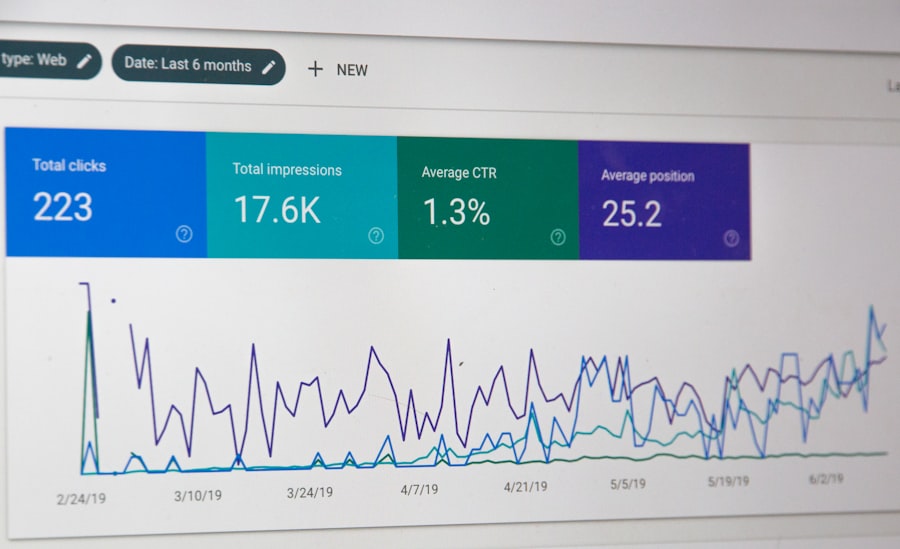
AI tools excel in this area by automating data analysis processes that would otherwise be time-consuming and labor-intensive. With advanced algorithms at their disposal, these tools can sift through vast amounts of data to identify trends, patterns, and insights that may not be immediately apparent to us.
Comprehensive Reporting
Additionally, AI-driven reporting tools can generate comprehensive reports with minimal input from us. By integrating data from various sources, these applications provide us with a holistic view of performance metrics and key performance indicators (KPIs).
Transforming Raw Data into Actionable Insights
This level of insight enables us to make data-backed decisions that drive business growth and improve operational efficiency. By leveraging AI for data analysis and reporting, we can transform raw data into actionable insights that propel us forward.
Personalized Assistance and Automation
One of the most exciting aspects of AI tools is their ability to provide personalized assistance tailored to our unique needs. Virtual assistants powered by AI can learn our preferences over time, offering recommendations that align with our work habits and goals. Whether it’s suggesting relevant articles for research or reminding us of upcoming deadlines, these personalized features enhance our productivity by ensuring that we have the right information at our fingertips when we need it.
Automation is another powerful benefit of AI tools that allows us to streamline repetitive tasks. By automating routine processes such as data entry or invoice generation, we free up valuable time that can be redirected toward more strategic initiatives. This not only increases our efficiency but also reduces the likelihood of human error in these tasks.
As we embrace personalized assistance and automation through AI tools, we empower ourselves to focus on higher-level thinking and creativity.
Conclusion and Recommendations
As we reflect on the myriad ways AI tools enhance productivity, it becomes clear that these technologies are not just a passing fad; they are essential components of modern work life. From task management to data analysis, AI has the potential to revolutionize how we approach our daily responsibilities. However, it is crucial for us to adopt these tools thoughtfully and strategically.
To maximize the benefits of AI for productivity, we recommend starting with a clear understanding of our specific needs and challenges. By identifying areas where we struggle most—be it time management, communication, or content creation—we can select the right AI tools that align with our goals. Additionally, ongoing training and adaptation are vital as technology continues to evolve rapidly.
By staying informed about new developments in AI tools and best practices for their use, we can ensure that we remain at the forefront of productivity enhancement. In conclusion, embracing AI tools for productivity is not just about keeping up with trends; it is about empowering ourselves to work smarter and achieve more in an increasingly complex world. As we integrate these technologies into our workflows, we open up new possibilities for collaboration, creativity, and efficiency that will ultimately lead us toward greater success in both our professional and personal lives.
If you’re interested in the latest technology developments, you may also want to check out the article about Apple’s unveiling of the all-new MacBook Air with the power of the new M2 chip. This exciting update promises to enhance the performance and capabilities of the popular laptop. You can read more about it here.


 tools. These innovative..)