

As we navigate the rapidly evolving landscape of technology, one of the most intriguing developments is the emergence of Agentic AI. This term refers to artificial intelligence systems that possess a degree of autonomy, enabling them to make decisions and take actions based on their programming and learned experiences. Unlike traditional AI, which often relies on human input for every decision, Agentic AI can operate independently, adapting to new information and environments.
This capability opens up a world of possibilities across various sectors, fundamentally transforming how we approach complex problems and tasks. The implications of Agentic AI are profound. By integrating these intelligent systems into our daily operations, we can enhance efficiency, reduce human error, and unlock new levels of productivity.
As we delve deeper into the applications of Agentic AI across different industries, we will uncover how this technology is not just a tool but a partner in innovation. From manufacturing to healthcare, agriculture to finance, the potential for Agentic AI to revolutionize our world is immense. We stand on the brink of a new era where machines can think and act with a level of sophistication that was once the realm of science fiction.
Key Takeaways
- Agentic AI refers to artificial intelligence systems that can act autonomously and make decisions without human intervention.
- In manufacturing, agentic AI can optimize production processes, predict maintenance needs, and improve overall efficiency.
- In healthcare, agentic AI can assist in diagnosis, treatment planning, and personalized patient care.
- In agriculture, agentic AI can monitor crop health, automate harvesting processes, and optimize resource usage.
- In retail, agentic AI can enhance customer experience, optimize inventory management, and personalize marketing strategies.
- In finance, agentic AI can automate trading, detect fraud, and provide personalized financial advice.
- In transportation, agentic AI can optimize route planning, enhance vehicle safety, and enable autonomous driving.
- The future of agentic AI holds potential for further advancements in various industries, but ethical considerations and human-AI collaboration will be crucial for its responsible implementation.
Agentic AI in Manufacturing
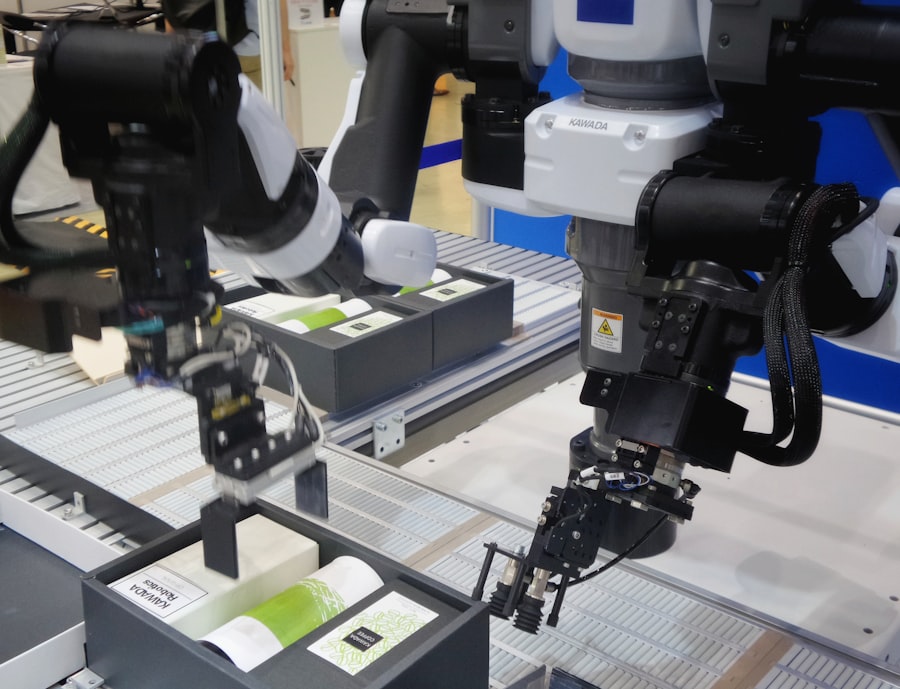
In the manufacturing sector, Agentic AI is reshaping production processes and supply chain management. By leveraging machine learning algorithms and real-time data analytics, these systems can optimize workflows, predict equipment failures, and streamline inventory management. For instance, imagine a factory floor where machines communicate with each other to adjust production schedules based on demand fluctuations.
This level of coordination not only minimizes downtime but also maximizes output, allowing manufacturers to respond swiftly to market changes. Moreover, Agentic AI enhances quality control by employing advanced image recognition technologies. These systems can identify defects in products at a speed and accuracy that surpasses human capabilities.
By implementing such technologies, manufacturers can ensure that only the highest quality products reach consumers, thereby bolstering brand reputation and customer satisfaction. As we continue to explore the integration of Agentic AI in manufacturing, it becomes clear that this technology is not merely an enhancement; it is a catalyst for a more agile and responsive industry.
Agentic AI in Healthcare

The healthcare industry stands to benefit immensely from the integration of Agentic AI. With its ability to analyze vast amounts of data quickly and accurately, Agentic AI can assist in diagnosing diseases, personalizing treatment plans, and predicting patient outcomes. For example, consider a scenario where an AI system analyzes a patient’s medical history alongside genetic information and current health data.
This system can recommend tailored treatment options that are more likely to be effective for that individual, thereby improving overall patient care. Additionally, Agentic AI can play a crucial role in managing healthcare resources more efficiently. By predicting patient admission rates and optimizing staff allocation, hospitals can ensure that they are adequately prepared for fluctuations in demand.
This proactive approach not only enhances patient care but also reduces operational costs. As we delve deeper into the potential of Agentic AI in healthcare, it becomes evident that this technology is poised to revolutionize how we approach medical challenges, ultimately leading to better health outcomes for all.
Agentic AI in Agriculture
| Agentic AI in Agriculture Metrics | 2018 | 2019 | 2020 |
|---|---|---|---|
| Number of AI-powered agricultural robots | 100 | 150 | 200 |
| Percentage increase in crop yield with AI | 10% | 15% | 20% |
| Reduction in pesticide use with AI | 5% | 8% | 12% |
In agriculture, Agentic AI is transforming traditional farming practices into more efficient and sustainable operations. By utilizing data from various sources—such as weather patterns, soil conditions, and crop health—these intelligent systems can provide farmers with actionable insights. For instance, an Agentic AI system can analyze satellite imagery to determine the optimal time for planting or harvesting crops, ensuring that farmers maximize their yields while minimizing resource waste.
Furthermore, Agentic AI can enhance precision agriculture by automating tasks such as irrigation and fertilization. By using sensors and drones equipped with AI capabilities, farmers can monitor their fields in real-time and make data-driven decisions about when and how much to water or fertilize their crops. This not only conserves water and reduces chemical usage but also promotes healthier soil and ecosystems.
As we explore the role of Agentic AI in agriculture, it becomes clear that this technology is not just about increasing productivity; it is also about fostering sustainable practices that benefit both farmers and the environment.
Agentic AI in Retail
The retail sector is experiencing a significant transformation thanks to the advent of Agentic AI. These intelligent systems are revolutionizing customer experiences by personalizing interactions and streamlining operations. For example, consider how an online retailer uses Agentic AI to analyze customer behavior and preferences.
By doing so, the system can recommend products tailored to individual tastes, enhancing the shopping experience and increasing sales. In brick-and-mortar stores, Agentic AI can optimize inventory management by predicting which products will be in demand based on historical sales data and current trends. This capability allows retailers to maintain optimal stock levels, reducing both overstock and stockouts.
Additionally, by employing chatbots powered by Agentic AI for customer service inquiries, retailers can provide instant support while freeing up human employees for more complex tasks. As we examine the impact of Agentic AI in retail, it becomes evident that this technology is not merely enhancing efficiency; it is fundamentally reshaping how businesses engage with their customers.
Agentic AI in Finance
The finance industry is another domain where Agentic AI is making significant strides. With its ability to analyze vast datasets quickly, these intelligent systems are transforming risk assessment, fraud detection, and investment strategies. For instance, financial institutions are increasingly using Agentic AI to evaluate creditworthiness by analyzing a broader range of factors beyond traditional credit scores.
This approach allows for more accurate assessments and expands access to credit for underserved populations. Moreover, Agentic AI plays a crucial role in detecting fraudulent activities by identifying unusual patterns in transaction data. By continuously learning from new data inputs, these systems can adapt their algorithms to recognize emerging threats more effectively than traditional methods.
Additionally, in investment management, Agentic AI can analyze market trends and execute trades at lightning speed, optimizing portfolios based on real-time data analysis. As we delve into the applications of Agentic AI in finance, it becomes clear that this technology is not just enhancing operational efficiency; it is also redefining how we approach financial decision-making.
Agentic AI in Transportation
In the transportation sector, Agentic AI is paving the way for smarter and safer travel solutions. From autonomous vehicles to traffic management systems, these intelligent technologies are revolutionizing how we move people and goods. For instance, self-driving cars equipped with Agentic AI can analyze their surroundings in real-time, making split-second decisions that enhance safety and efficiency on the roads.
This capability has the potential to reduce accidents caused by human error while also optimizing traffic flow. Furthermore, Agentic AI can improve logistics by optimizing delivery routes based on real-time traffic conditions and weather forecasts. By analyzing data from various sources, these systems can determine the most efficient paths for delivery trucks, reducing fuel consumption and ensuring timely arrivals.
As we explore the impact of Agentic AI in transportation, it becomes evident that this technology is not just about innovation; it is about creating a safer and more efficient transportation ecosystem for everyone.
Conclusion and Future of Agentic AI
As we reflect on the transformative potential of Agentic AI across various industries, it becomes clear that we are only scratching the surface of what this technology can achieve. From enhancing productivity in manufacturing to revolutionizing healthcare delivery and optimizing agricultural practices, the applications are vast and varied. The future of Agentic AI holds promise not only for businesses seeking efficiency but also for society as a whole as we strive for sustainability and improved quality of life.
Looking ahead, we must consider the ethical implications of deploying such powerful technologies. As we integrate Agentic AI into our daily lives, it is crucial to establish guidelines that ensure responsible use while safeguarding privacy and security. By fostering collaboration between technologists, policymakers, and communities, we can harness the full potential of Agentic AI while addressing the challenges it presents.
Ultimately, as we embrace this new era of intelligent systems, we have the opportunity to create a future where technology works alongside us to solve some of our most pressing challenges.
Agentic AI applications have been making waves in various industries, including e-commerce. In a recent article, Twitter announced a partnership with Shopify to bring merchants’ products to a wider audience. This collaboration showcases the potential of AI technology to streamline the online shopping experience and drive sales for businesses. To learn more about this exciting development, check out the article here.


