
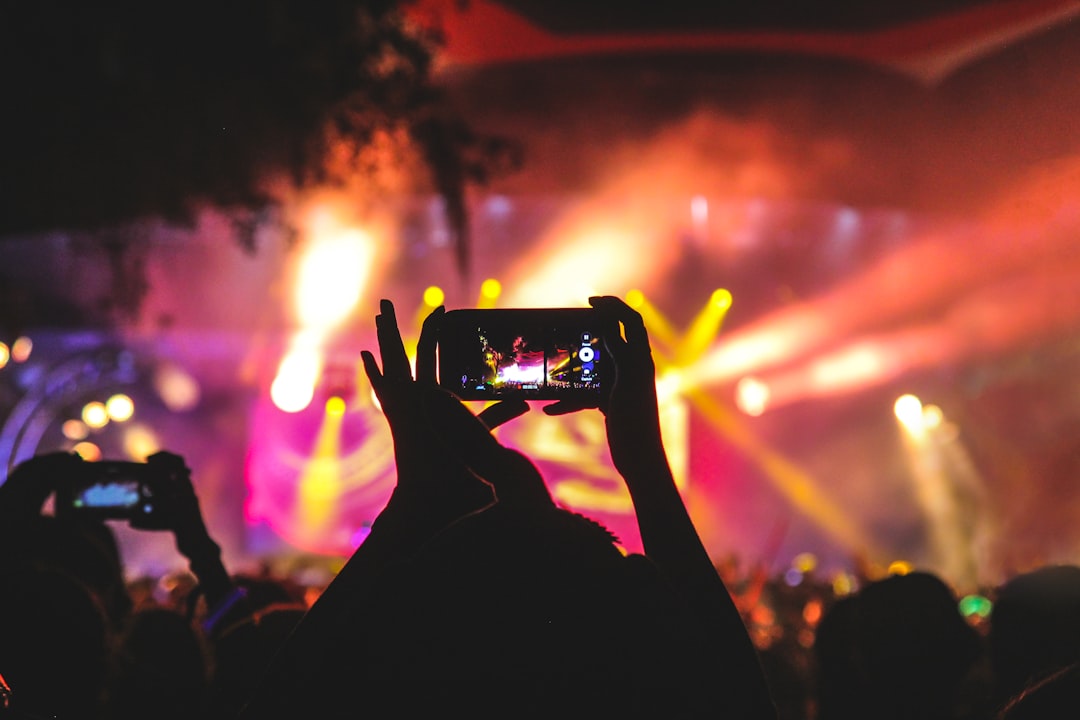
In recent years, the term “synthetic media” has gained significant traction, capturing the attention of technologists, artists, and marketers alike. At its core, synthetic media refers to content that is generated or manipulated using artificial intelligence and machine learning techniques. This encompasses a wide array of formats, including images, videos, audio, and even text.
As we delve deeper into this fascinating realm, we begin to appreciate how synthetic media is not merely a technological novelty but a transformative force reshaping the way we create and consume content. As we explore the landscape of synthetic media, it becomes evident that its implications extend far beyond entertainment.
For instance, synthetic media can be employed to create immersive educational experiences or simulate medical scenarios for training purposes. By understanding the nuances of synthetic media, we position ourselves to harness its potential responsibly and creatively.
Key Takeaways
- Synthetic media refers to media content that is created or manipulated using artificial intelligence and machine learning techniques.
- There are various tools and software available for creating synthetic media, including deep learning frameworks, image and video editing software, and audio synthesis tools.
- Creating realistic synthetic images and videos requires a deep understanding of image and video processing techniques, as well as the ability to train machine learning models on large datasets.
- Ethical considerations in synthetic media creation include issues related to privacy, consent, and the potential for misuse of synthetic media for malicious purposes.
- Mastering audio synthesis for synthetic media involves understanding sound design principles, digital signal processing, and the use of synthesizers and audio editing software.
Tools and Software for Synthetic Media Creation
The Rise of Synthetic Media Creation
The rise of synthetic media has been accompanied by an explosion of tools and software designed to facilitate its creation.
From user-friendly applications to sophisticated platforms, we have a plethora of options at our disposal. One of the most notable tools in this space is DeepArt, which allows users to transform their photos into stunning artworks using neural networks. This tool exemplifies how accessible synthetic media creation has become, enabling even those without technical expertise to engage in artistic expression.
Advanced Software for Synthetic Media Creation
Moreover, we cannot overlook the impact of more advanced software like Adobe After Effects and Blender. These programs offer robust features for video editing and 3D modeling, allowing us to create intricate synthetic media projects.
Enhancing Creative Workflows with AI-Driven Plugins
With the integration of AI-driven plugins, we can enhance our creative workflows, making it easier to produce high-quality content. As we familiarize ourselves with these tools, we unlock new avenues for storytelling and visual communication.
Creating Realistic Synthetic Images and Videos
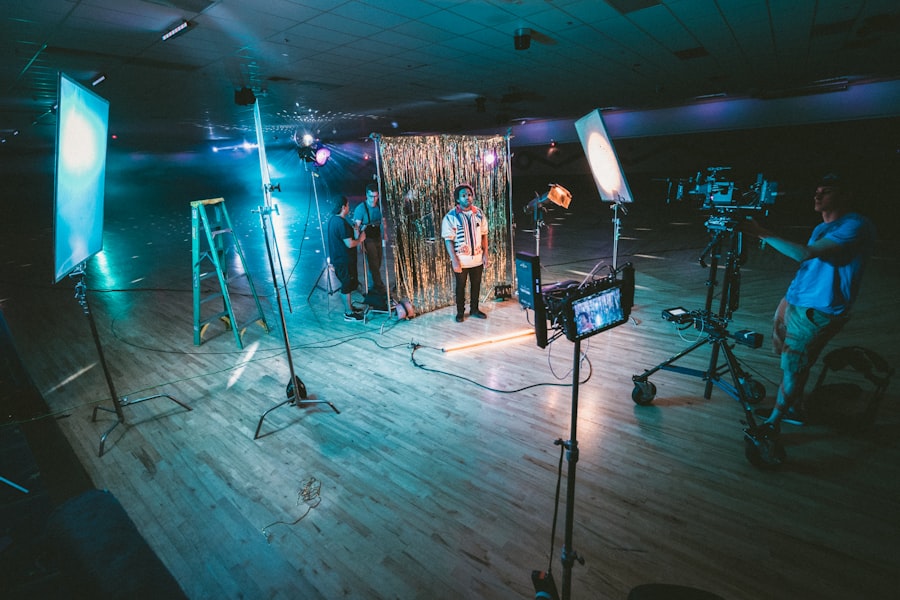
Creating realistic synthetic images and videos is both an art and a science. As we embark on this journey, we must first understand the underlying principles of image synthesis. Techniques such as Generative Adversarial Networks (GANs) have revolutionized the field by enabling machines to learn from vast datasets and generate new content that closely resembles real-world images.
In our quest for realism, attention to detail is paramount.
We must consider factors such as lighting, texture, and composition when crafting synthetic visuals. By experimenting with different styles and techniques, we can refine our skills and develop a unique aesthetic that resonates with our audience. Additionally, incorporating feedback from peers and utilizing iterative processes can significantly enhance the quality of our creations.
As we hone our craft, we find ourselves at the intersection of technology and artistry, pushing the boundaries of what is possible in visual storytelling.
Ethical Considerations in Synthetic Media Creation
| Consideration | Description |
|---|---|
| Consent | Ensuring that individuals featured in synthetic media have given their consent for their likeness to be used. |
| Transparency | Being transparent about the use of synthetic media and clearly labeling it as such to avoid misleading viewers. |
| Privacy | Respecting the privacy of individuals and refraining from creating synthetic media that invades their privacy. |
| Accountability | Holding creators and platforms accountable for the ethical use of synthetic media and addressing any misuse. |
As we navigate the exciting world of synthetic media, it is crucial to address the ethical considerations that accompany its creation. The power to manipulate images and videos raises important questions about authenticity and trust. In an age where misinformation can spread rapidly, we must be vigilant about the potential misuse of synthetic media for deceptive purposes.
This responsibility extends not only to creators but also to consumers who must critically evaluate the content they encounter. Furthermore, we should consider the implications of synthetic media on privacy and consent. The ability to create lifelike representations of individuals without their permission poses significant ethical dilemmas.
As we engage with synthetic media, it is essential to establish guidelines that prioritize respect for individuals’ rights while fostering innovation. By promoting ethical practices within our creative communities, we can ensure that synthetic media serves as a tool for positive change rather than a vehicle for harm.
Mastering Audio Synthesis for Synthetic Media
While much of the focus on synthetic media has centered around visual content, audio synthesis plays an equally vital role in creating immersive experiences. As we delve into this aspect of synthetic media, we discover a range of tools designed to generate realistic soundscapes and vocal performances. Software like Adobe Audition and Logic Pro X allows us to manipulate audio with precision, enabling us to craft soundtracks that enhance our visual narratives.
Moreover, advancements in voice synthesis technology have opened new doors for audio creation. Tools such as OpenAI’s GPT-3 can generate human-like speech patterns, allowing us to create dialogue for characters in our synthetic media projects. By mastering these audio synthesis techniques, we can elevate our storytelling capabilities and create a more cohesive experience for our audience.
As we experiment with sound design and voice synthesis, we find ourselves exploring uncharted territories in the realm of synthetic media.
Applying Synthetic Media in Marketing and Advertising
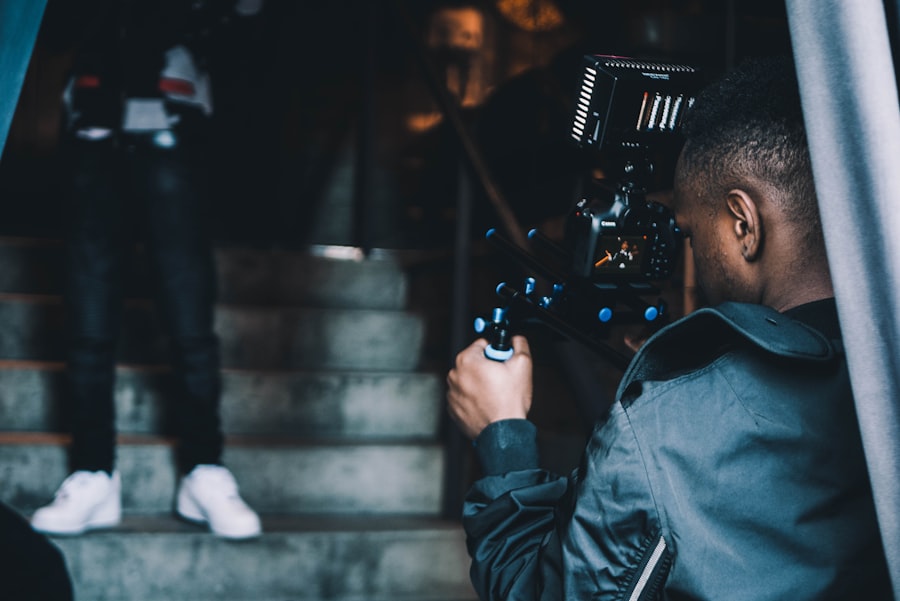
The marketing landscape is undergoing a seismic shift as brands increasingly turn to synthetic media to engage consumers in innovative ways. By leveraging realistic synthetic images and videos, companies can create compelling advertisements that capture attention and drive engagement. For instance, virtual influencers—computer-generated characters with distinct personalities—are becoming popular on social media platforms, allowing brands to connect with audiences in a novel manner.
As we explore the applications of synthetic media in marketing, it becomes clear that personalization is key. By utilizing data-driven insights, brands can tailor their synthetic content to resonate with specific demographics or consumer preferences. This level of customization not only enhances brand loyalty but also fosters a deeper connection between consumers and products.
As we embrace these strategies, we position ourselves at the forefront of a marketing revolution that prioritizes creativity and innovation.
Using Synthetic Media for Entertainment and Art
The entertainment industry has been quick to adopt synthetic media as a means of storytelling and artistic expression. From animated films to virtual reality experiences, the possibilities are virtually limitless. As creators, we have the opportunity to push the boundaries of traditional storytelling by incorporating synthetic elements into our projects.
For example, filmmakers can use CGI to create fantastical worlds that captivate audiences’ imaginations. In the realm of art, synthetic media offers artists new tools for exploration and experimentation. Digital artists can manipulate images in ways that were previously unimaginable, creating works that challenge perceptions of reality.
Additionally, interactive installations that utilize synthetic media invite audiences to engage with art in dynamic ways. As we embrace these innovations, we find ourselves part of a vibrant community that celebrates creativity and pushes the envelope of artistic expression.
Future Trends in Synthetic Media Creation
As we look ahead to the future of synthetic media creation, several trends are poised to shape its evolution. One notable trend is the increasing integration of augmented reality (AR) and virtual reality (VR) technologies into synthetic media projects. These immersive experiences allow us to engage audiences on a deeper level, blurring the lines between reality and digital creation.
As AR and VR continue to advance, we anticipate even more innovative applications across various industries. Another trend worth noting is the growing emphasis on collaboration between humans and AI in the creative process. As AI tools become more sophisticated, they will serve as valuable partners in our creative endeavors rather than mere assistants.
This collaborative approach has the potential to unlock new levels of creativity and innovation as we combine human intuition with machine learning capabilities. In conclusion, as we navigate the multifaceted world of synthetic media creation, we find ourselves at a crossroads of technology and creativity. By understanding its principles, mastering the tools available to us, and considering ethical implications, we can harness the power of synthetic media responsibly and effectively.
Whether in marketing, entertainment, or art, the future holds exciting possibilities for those willing to explore this dynamic landscape together.
Synthetic media creation has been a hot topic in recent years, with advancements in technology allowing for the creation of incredibly realistic and convincing fake videos and images. One related article that delves into the world of technology and innovation is Apple’s announcement of mixed reality glasses in January 2023. This article discusses how Apple is pushing the boundaries of augmented reality and virtual reality technology, which could have implications for the future of synthetic media creation. As technology continues to evolve, it is important to stay informed about the latest developments in order to understand the potential impact on society.
FAQs
What is synthetic media creation?
Synthetic media creation refers to the process of using artificial intelligence and machine learning techniques to generate or alter media content, such as images, videos, audio, and text.
What are some examples of synthetic media?
Examples of synthetic media include deepfake videos, which use AI to superimpose one person’s face onto another’s body in a video, and AI-generated art, which uses algorithms to create original visual artwork.
What are the potential uses of synthetic media creation?
Synthetic media creation can be used for various purposes, including entertainment, advertising, digital art, and even in the creation of virtual influencers and avatars for virtual reality experiences.
What are the ethical concerns surrounding synthetic media creation?
Ethical concerns related to synthetic media creation include the potential for misuse, such as creating fake news or spreading misinformation, as well as issues related to privacy, consent, and the potential for harm to individuals whose likeness is used without their permission.
How is synthetic media creation regulated?
Regulation of synthetic media creation varies by country and jurisdiction, but some governments and tech companies are working to develop guidelines and policies to address the ethical and legal implications of synthetic media.


