

Predictive analytics is a branch of advanced analytics that utilises statistical algorithms and machine learning techniques to identify the likelihood of future outcomes based on historical data. By analysing patterns and trends within large datasets, organisations can make informed decisions that enhance their strategic planning and operational efficiency. The essence of predictive analytics lies in its ability to transform raw data into actionable insights, enabling businesses to anticipate customer behaviour, market trends, and potential risks.
At its core, predictive analytics encompasses various methodologies, including regression analysis, time series analysis, and classification techniques. These methods allow organisations to create predictive models that can forecast future events with a degree of accuracy. For instance, a retail company might use predictive analytics to determine which products are likely to be in high demand during a particular season, thereby optimising inventory levels and improving customer satisfaction.
As businesses increasingly recognise the value of data-driven decision-making, the adoption of predictive analytics continues to grow across various sectors. Have you read the latest blog post on artificial intelligence?
Summary
- Predictive analytics uses historical data and machine learning techniques to forecast future outcomes and trends.
- Implementing AI for business growth involves integrating AI technologies into various business processes to improve efficiency and decision-making.
- Leveraging predictive analytics for customer insights helps businesses understand customer behaviour, preferences, and needs to tailor products and services.
- Enhancing operational efficiency with predictive analytics involves using data to streamline processes, reduce costs, and improve productivity.
- Using predictive analytics for risk management helps businesses identify and mitigate potential risks, such as financial losses or operational disruptions.
Implementing AI for Business Growth
The integration of artificial intelligence (AI) into business operations has emerged as a pivotal strategy for fostering growth and innovation. AI technologies, such as machine learning and natural language processing, enable organisations to automate processes, enhance customer experiences, and derive insights from vast amounts of data. By leveraging AI, businesses can streamline operations, reduce costs, and ultimately drive revenue growth.
Implementing AI requires a strategic approach that begins with identifying specific business objectives. Companies must assess their current capabilities and determine how AI can address their unique challenges. For example, a financial institution may implement AI-driven chatbots to improve customer service efficiency while simultaneously reducing operational costs.
Furthermore, organisations should invest in training their workforce to ensure they possess the necessary skills to work alongside AI technologies. This holistic approach not only facilitates smoother implementation but also fosters a culture of innovation within the organisation.
Leveraging Predictive Analytics for Customer Insights

Understanding customer behaviour is crucial for any business aiming to thrive in a competitive landscape. Predictive analytics offers powerful tools for gaining insights into customer preferences, purchasing patterns, and potential churn rates. By analysing historical data, organisations can segment their customer base and tailor marketing strategies to meet the specific needs of different groups.
For instance, a subscription-based service can utilise predictive analytics to identify customers who are at risk of cancelling their subscriptions. By recognising these patterns early on, the company can implement targeted retention strategies, such as personalised offers or enhanced customer support. Additionally, predictive analytics can help businesses anticipate future trends in consumer behaviour, allowing them to adapt their product offerings and marketing campaigns accordingly.
This proactive approach not only enhances customer satisfaction but also drives long-term loyalty.
Enhancing Operational Efficiency with Predictive Analytics
| Metrics | 2018 | 2019 | 2020 |
|---|---|---|---|
| Reduction in unplanned downtime | 5% | 8% | 10% |
| Improvement in equipment maintenance | 3% | 5% | 7% |
| Increase in production output | 2% | 4% | 6% |
| Reduction in energy consumption | 4% | 6% | 8% |
Operational efficiency is a critical factor in maintaining competitiveness in today’s fast-paced business environment. Predictive analytics plays a significant role in optimising operations by identifying inefficiencies and forecasting future demands. By analysing historical performance data, organisations can pinpoint areas for improvement and implement strategies that enhance productivity.
For example, in manufacturing, predictive analytics can be employed to forecast equipment failures before they occur. By analysing data from machinery sensors and maintenance records, companies can schedule preventative maintenance, thereby minimising downtime and reducing repair costs. Similarly, in the logistics sector, predictive analytics can optimise delivery routes based on traffic patterns and weather conditions, ensuring timely deliveries while reducing fuel consumption.
Such applications not only improve operational efficiency but also contribute to sustainability efforts by minimising waste and resource usage.
Using Predictive Analytics for Risk Management
In an increasingly complex business landscape, effective risk management is paramount for organisational success. Predictive analytics provides valuable insights that enable companies to identify potential risks before they materialise. By analysing historical data and recognising patterns associated with various risks, organisations can develop strategies to mitigate these threats.
For instance, in the financial sector, predictive analytics can be used to detect fraudulent transactions by identifying unusual patterns in customer behaviour. By implementing real-time monitoring systems powered by predictive models, financial institutions can respond swiftly to potential fraud attempts, thereby protecting their assets and maintaining customer trust. Additionally, businesses can utilise predictive analytics to assess market risks by analysing economic indicators and consumer sentiment data.
This proactive approach allows organisations to make informed decisions that safeguard their interests in volatile markets.
Leveraging AI for Sales and Marketing
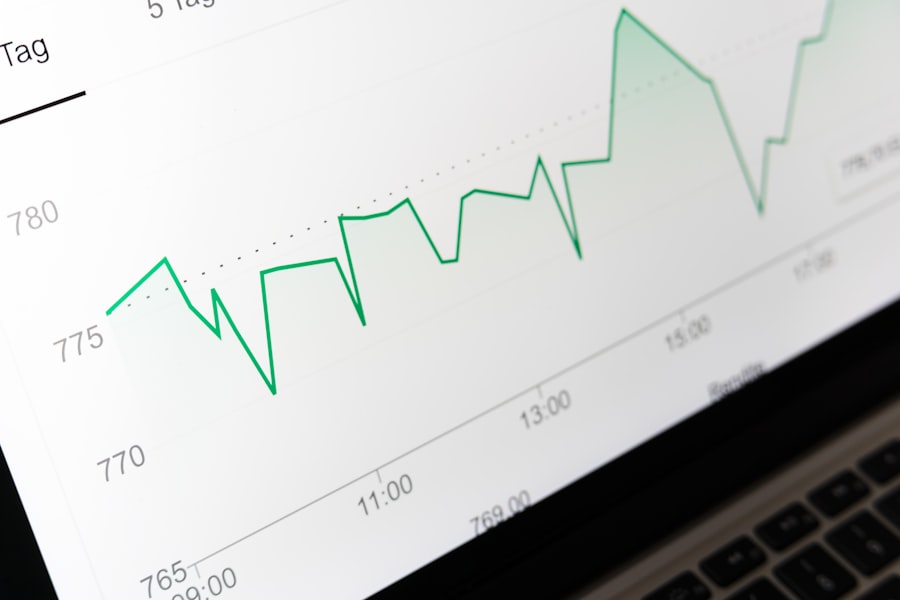
The intersection of AI and sales and marketing has revolutionised how businesses engage with customers and drive revenue growth. AI technologies enable organisations to analyse vast amounts of data quickly and accurately, providing insights that inform marketing strategies and sales tactics. By leveraging AI-driven tools such as customer relationship management (CRM) systems and predictive lead scoring models, businesses can enhance their sales processes significantly.
For example, AI can analyse customer interactions across various channels to identify high-potential leads based on their behaviour and engagement levels. This allows sales teams to prioritise their efforts on leads that are more likely to convert into customers. Furthermore, AI-powered marketing automation tools can deliver personalised content to customers at the right time, increasing the likelihood of engagement and conversion.
By harnessing these technologies, organisations can create more effective marketing campaigns that resonate with their target audience while maximising return on investment.
Predictive Analytics for Supply Chain Management
Supply chain management is a complex process that requires careful planning and execution to ensure efficiency and cost-effectiveness. Predictive analytics offers valuable insights that can enhance supply chain operations by forecasting demand fluctuations, optimising inventory levels, and improving supplier relationships. By analysing historical sales data and market trends, organisations can make informed decisions that streamline their supply chain processes.
For instance, predictive analytics can help businesses anticipate seasonal demand spikes or declines, allowing them to adjust their inventory levels accordingly. This not only reduces the risk of stockouts or overstock situations but also minimises carrying costs associated with excess inventory. Additionally, predictive models can assess supplier performance by analysing delivery times and quality metrics, enabling organisations to make data-driven decisions when selecting suppliers or negotiating contracts.
Ultimately, leveraging predictive analytics in supply chain management leads to improved efficiency and enhanced customer satisfaction.
Overcoming Challenges in Implementing Predictive Analytics
While the benefits of predictive analytics are substantial, organisations often face challenges during implementation. One significant hurdle is the quality of data; inaccurate or incomplete data can lead to flawed predictions and misguided decisions. Therefore, businesses must invest in robust data management practices to ensure the integrity of their datasets.
Another challenge lies in the integration of predictive analytics into existing systems and processes. Many organisations struggle with siloed data sources that hinder comprehensive analysis. To overcome this obstacle, companies should adopt an integrated approach that consolidates data from various departments into a centralised platform.
Additionally, fostering a culture of data literacy within the organisation is essential; employees must understand how to interpret predictive insights effectively and apply them in their decision-making processes. In conclusion, while implementing predictive analytics presents challenges, the potential rewards are significant for organisations willing to invest the necessary resources and effort. By understanding the principles of predictive analytics and leveraging its capabilities across various business functions—from customer insights to risk management—companies can position themselves for sustained growth and success in an increasingly data-driven world.
In a recent article on Xiaomi’s upcoming launch of the Xiaomi Mi Band 7, the role of AI in predictive analytics for business growth was highlighted as a key factor in the company’s success. The use of artificial intelligence in analysing data and making predictions has become increasingly important for businesses looking to stay ahead in today’s competitive market. This article further emphasises the importance of leveraging AI technology to drive business growth and make informed decisions.
FAQs
What is predictive analytics?
Predictive analytics is the use of data, statistical algorithms, and machine learning techniques to identify the likelihood of future outcomes based on historical data.
How does AI contribute to predictive analytics for business growth?
AI contributes to predictive analytics by enabling businesses to process and analyse large volumes of data quickly and accurately, identify patterns and trends, and make accurate predictions about future outcomes.
What are the benefits of using AI in predictive analytics for business growth?
The benefits of using AI in predictive analytics for business growth include improved decision-making, better understanding of customer behaviour, increased operational efficiency, and the ability to identify new business opportunities.
What are some examples of AI applications in predictive analytics for business growth?
Some examples of AI applications in predictive analytics for business growth include customer churn prediction, sales forecasting, demand forecasting, risk management, and fraud detection.
What are the potential challenges of using AI in predictive analytics for business growth?
Some potential challenges of using AI in predictive analytics for business growth include data privacy and security concerns, the need for skilled data scientists and analysts, and the potential for bias in AI algorithms.


