

The advent of artificial intelligence (AI) has ushered in a new era for urban development, particularly in the context of smart cities. These urban environments leverage technology to enhance the quality of life for their inhabitants, streamline operations, and promote sustainability. AI plays a pivotal role in this transformation, enabling cities to process vast amounts of data and make informed decisions that can lead to improved infrastructure, efficient public services, and enhanced citizen engagement.
As urban populations continue to swell, the integration of AI into city planning and management becomes increasingly essential. Smart cities utilise AI to create interconnected systems that facilitate real-time communication between various components, such as transportation networks, energy grids, and public safety measures. This interconnectedness allows for a more responsive approach to urban challenges, enabling city officials to anticipate issues before they escalate.
By harnessing AI technologies, cities can not only improve operational efficiency but also foster a more sustainable environment that prioritises the well-being of its residents. The potential benefits of AI in smart cities are vast, making it a critical area of focus for urban planners and policymakers alike. Have you read the latest blog post on artificial intelligence?
Summary
- AI plays a crucial role in the development of smart cities, revolutionising the way urban areas are managed and improving the quality of life for residents.
- AI technology enhances public safety by enabling predictive policing, real-time monitoring of public spaces, and efficient emergency response systems.
- AI has a significant impact on enhancing public services, such as traffic management, waste management, and healthcare delivery, by optimising resource allocation and improving service quality.
- Case studies of AI implementation in smart cities, such as Singapore’s use of AI for traffic management and Barcelona’s smart lighting system, demonstrate the tangible benefits of AI in urban environments.
- Challenges and concerns of AI in smart cities include data privacy, algorithmic bias, and the potential for job displacement, highlighting the need for careful regulation and ethical considerations in AI development and deployment.
The Role of AI in Improving Public Safety
One of the most significant contributions of AI in smart cities is its ability to enhance public safety. Through the deployment of advanced surveillance systems and predictive analytics, AI can help law enforcement agencies identify potential threats and respond more effectively to incidents. For instance, AI-driven video analytics can monitor public spaces in real-time, detecting unusual behaviour or identifying individuals involved in criminal activities.
This proactive approach not only aids in crime prevention but also fosters a sense of security among citizens. Moreover, AI can assist emergency services by optimising response times and resource allocation. By analysing historical data on incidents, AI algorithms can predict where emergencies are likely to occur and allocate resources accordingly.
This predictive capability allows for a more strategic deployment of police, fire, and medical services, ensuring that help arrives swiftly when needed. Additionally, AI can facilitate communication between different emergency services, enabling a coordinated response that maximises efficiency and effectiveness during crises.
AI’s Impact on Enhancing Public Services
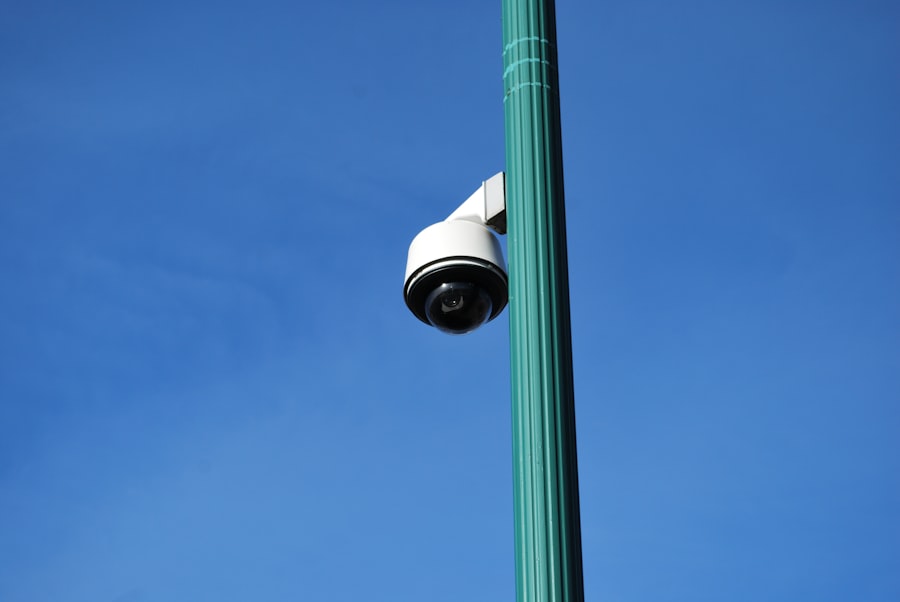
Beyond public safety, AI has the potential to revolutionise various public services within smart cities. For example, in the realm of transportation, AI can optimise traffic management systems by analysing real-time data from sensors and cameras. This analysis enables cities to adjust traffic signals dynamically, reducing congestion and improving travel times for commuters.
Furthermore, AI can enhance public transport systems by predicting demand patterns and adjusting schedules accordingly, ensuring that services are available when and where they are needed most. In addition to transportation, AI can improve waste management and environmental monitoring. Smart bins equipped with sensors can notify waste management services when they are full, allowing for more efficient collection routes and reducing operational costs.
Similarly, AI can analyse environmental data to monitor air quality and other ecological factors, providing city officials with the information needed to implement effective policies aimed at improving public health and sustainability. By streamlining these essential services, AI contributes to a more efficient and responsive urban environment.
Case Studies of AI Implementation in Smart Cities
| City | AI Implementation | Impact |
|---|---|---|
| London | AI-powered traffic management system | Reduced traffic congestion by 20% |
| Singapore | AI-based predictive maintenance for public infrastructure | Decreased maintenance costs by 15% |
| Barcelona | AI-driven waste management system | Increased recycling rates by 30% |
Several cities around the world have begun to implement AI technologies as part of their smart city initiatives, showcasing the diverse applications and benefits of this approach. For instance, Barcelona has integrated AI into its urban planning processes by using data analytics to optimise energy consumption across the city. The implementation of smart lighting systems that adjust based on pedestrian activity has not only reduced energy costs but also enhanced public safety by ensuring well-lit areas during peak hours.
Another notable example is Singapore, which has embraced AI to improve its public transport system. The city-state employs predictive analytics to manage its bus fleet more effectively, allowing for real-time adjustments based on passenger demand. This system has resulted in increased efficiency and reduced waiting times for commuters.
Additionally, Singapore’s use of AI in its Smart Nation initiative includes applications in healthcare and urban planning, demonstrating the multifaceted benefits of integrating AI into various aspects of city life.
Challenges and Concerns of AI in Smart Cities
Despite the numerous advantages associated with the integration of AI into smart cities, several challenges and concerns must be addressed. One significant issue is the potential for data privacy violations. As cities collect vast amounts of data from citizens to inform their AI systems, there is an inherent risk that sensitive information could be misused or inadequately protected.
Ensuring robust data governance frameworks is essential to maintain public trust and safeguard individual privacy rights. Another concern relates to the potential for algorithmic bias within AI systems. If not carefully designed and monitored, AI algorithms may inadvertently perpetuate existing inequalities or discriminate against certain groups.
This issue highlights the importance of transparency in AI development and implementation processes. City officials must ensure that AI systems are regularly audited and evaluated to mitigate bias and ensure equitable outcomes for all residents.
The Future of AI in Smart Cities
Enhanced Decision-Making
The integration of machine learning and deep learning techniques will enable more accurate predictions and insights, further improving decision-making processes across various sectors.
Collaboration and Community Engagement
Additionally, advancements in Internet of Things (IoT) devices will facilitate even greater data collection and analysis capabilities. However, the successful implementation of AI in smart cities will require collaboration among various stakeholders, including government agencies, private sector partners, and citizens themselves. Engaging the community in discussions about the use of AI technologies will be crucial for addressing concerns and ensuring that solutions are tailored to meet the needs of all residents.
Sustainable Urban Growth
Furthermore, ongoing investment in research and development will be necessary to explore innovative applications of AI that can drive sustainable urban growth.
Ethical Considerations of AI in Public Safety and Services
The ethical implications of deploying AI technologies in public safety and services cannot be overlooked. As cities increasingly rely on AI for decision-making processes that affect citizens’ lives, it is imperative to establish ethical guidelines that govern these technologies’ use. Issues such as accountability for decisions made by AI systems must be addressed to ensure that citizens have recourse in cases where harm occurs due to algorithmic errors or biases.
Moreover, fostering an inclusive dialogue about the ethical dimensions of AI is essential for building public trust. Engaging diverse voices from various communities can help identify potential pitfalls and ensure that the deployment of AI technologies aligns with societal values. By prioritising ethical considerations alongside technological advancements, cities can create a framework that promotes responsible innovation while safeguarding citizens’ rights.
The Potential of AI in Smart Cities
In conclusion, the integration of artificial intelligence into smart cities holds immense potential for transforming urban living. From enhancing public safety to improving essential services, AI technologies can significantly contribute to creating more efficient, sustainable, and responsive urban environments. However, as cities navigate this complex landscape, it is crucial to address the challenges and ethical considerations associated with these advancements.
By fostering collaboration among stakeholders and prioritising transparency and accountability in AI implementation, cities can harness the full potential of this technology while ensuring that it serves the best interests of all residents. As we look towards the future, it is clear that the successful integration of AI into smart cities will play a vital role in shaping the urban landscapes of tomorrow—creating spaces that are not only smarter but also more equitable and inclusive for all citizens.
In a recent article on b6g.net, it was revealed that a loophole in the AppGallery allows Huawei devices to download paid apps for free. This raises concerns about the security and integrity of the app store, as well as the potential impact on developers who rely on paid downloads for revenue. As smart cities continue to integrate AI technology for public safety and services, it is crucial to address such vulnerabilities to ensure the smooth and secure operation of these systems.
FAQs
What is AI in Smart Cities?
AI in Smart Cities refers to the use of artificial intelligence technology to improve the efficiency and effectiveness of various public services and safety measures within urban areas. This can include the use of AI for traffic management, public safety, waste management, energy efficiency, and more.
How does AI enhance public safety in Smart Cities?
AI can enhance public safety in Smart Cities by enabling the use of advanced surveillance systems, predictive analytics for crime prevention, and real-time emergency response systems. AI can also be used to analyse patterns and trends in crime data to help law enforcement agencies allocate resources more effectively.
What are some examples of AI applications in Smart Cities for public safety?
Some examples of AI applications in Smart Cities for public safety include facial recognition technology for identifying suspects, predictive policing algorithms to anticipate crime hotspots, and automated emergency response systems that can dispatch resources more efficiently.
How does AI improve public services in Smart Cities?
AI can improve public services in Smart Cities by streamlining administrative processes, optimising resource allocation, and enhancing the overall delivery of services such as healthcare, education, transportation, and utilities. AI can also be used to analyse data and feedback from citizens to improve service quality.
What are some examples of AI applications in Smart Cities for public services?
Some examples of AI applications in Smart Cities for public services include chatbots for citizen engagement, predictive maintenance for public infrastructure, and intelligent transportation systems that can reduce congestion and improve public transit efficiency.


 has ushered in a new era for urban development, particularly in the context of smart cities. These urban..)