

The integration of artificial intelligence (AI) into global trade and commerce has marked a significant transformation in how businesses operate and interact on an international scale. Over the past decade, advancements in AI technologies have enabled companies to enhance their operational efficiency, improve decision-making processes, and foster innovation. As businesses increasingly rely on data-driven insights, AI has emerged as a pivotal tool for navigating the complexities of global markets.
This shift is not merely a trend; it represents a fundamental change in the landscape of trade, where traditional methods are being supplanted by intelligent systems capable of processing vast amounts of information in real-time. The rise of AI in this sector is characterised by its ability to analyse consumer behaviour, predict market trends, and optimise logistics. Companies are leveraging machine learning algorithms to gain insights into customer preferences and purchasing patterns, allowing them to tailor their offerings more effectively.
Furthermore, AI-driven analytics can identify emerging markets and assess risks associated with international trade, enabling businesses to make informed strategic decisions. As a result, organisations that embrace AI technologies are better positioned to compete in an increasingly interconnected global economy. Have you read the latest blog post on artificial intelligence?
Summary
- AI is revolutionizing global trade and commerce by automating processes, reducing costs, and improving efficiency.
- AI is streamlining supply chain management by predicting demand, optimizing inventory, and enhancing logistics.
- AI is impacting international trade and tariffs by enabling better risk assessment, trade finance, and compliance management.
- AI is shaping the future of cross-border payments by enhancing security, reducing transaction times, and lowering costs.
- AI is playing a crucial role in e-commerce and retail by personalizing customer experiences, improving inventory management, and enabling predictive analytics.
How AI is Streamlining Supply Chain Management
Automation for Efficiency
In contrast, AI systems can automate routine tasks, such as inventory management and order processing, thereby minimising human error and freeing up valuable resources for more strategic activities. This automation not only accelerates operations but also allows companies to respond swiftly to changes in demand or supply disruptions.
Predictive Capabilities for Optimisation
Moreover, AI’s predictive capabilities enable businesses to forecast demand with greater accuracy. By analysing historical sales data alongside external factors such as market trends and economic indicators, AI can provide insights that help companies optimise their inventory levels and production schedules.
Competitive Advantage in Complex Supply Chains
This proactive approach reduces the risk of overstocking or stockouts, ultimately leading to improved customer satisfaction. As supply chains become more complex due to globalisation, the ability to leverage AI for real-time visibility and responsiveness is becoming increasingly essential for maintaining competitive advantage.
The Impact of AI on International Trade and Tariffs

The influence of AI on international trade extends beyond operational efficiencies; it also plays a crucial role in shaping trade policies and tariff structures. As countries adopt AI technologies, they are better equipped to analyse trade data and assess the impact of tariffs on their economies. This analytical capability allows governments to make informed decisions regarding trade agreements and tariff adjustments, fostering a more dynamic trading environment.
For instance, AI can help identify which sectors are most affected by tariffs, enabling policymakers to implement targeted measures that support affected industries. Furthermore, AI can facilitate smoother customs processes by automating documentation and compliance checks. By streamlining these procedures, AI reduces delays at borders and enhances the overall efficiency of international trade.
This is particularly important in an era where global supply chains are under constant pressure from geopolitical tensions and economic fluctuations. As nations increasingly recognise the importance of leveraging technology in trade policy, AI is likely to play a pivotal role in shaping the future of international commerce.
AI and the Future of Cross-Border Payments
| Metrics | Data |
|---|---|
| Transaction Speed | 2-3 seconds |
| Cost Reduction | Up to 50% |
| Accuracy | Over 99% |
| Security | Enhanced with AI algorithms |
| Global Reach | Over 200 countries |
Cross-border payments have long been plagued by inefficiencies, high costs, and lengthy processing times. However, the advent of AI is poised to transform this landscape significantly. By utilising machine learning algorithms, financial institutions can enhance fraud detection and risk assessment processes, ensuring that transactions are secure while minimising the potential for financial loss.
This increased security is crucial for fostering trust in cross-border transactions, which are often subject to stringent regulatory scrutiny. Additionally, AI can streamline the payment process itself by automating currency conversion and optimising transaction routing. This not only reduces costs associated with foreign exchange but also accelerates the speed at which payments are processed.
As businesses expand their operations internationally, the ability to conduct seamless cross-border transactions becomes increasingly vital. The integration of AI into payment systems promises to enhance the overall efficiency of global commerce, making it easier for companies to engage with customers and suppliers around the world.
The Role of AI in E-commerce and Retail
In the realm of e-commerce and retail, AI is reshaping how businesses interact with consumers and manage their operations. Personalisation has become a key focus for retailers seeking to enhance customer experience, and AI plays a central role in this endeavour. By analysing customer data, including browsing history and purchase behaviour, AI algorithms can recommend products tailored to individual preferences.
This level of personalisation not only boosts sales but also fosters customer loyalty by creating a more engaging shopping experience. Moreover, AI-driven chatbots and virtual assistants are transforming customer service in the retail sector. These tools provide instant support to customers, answering queries and resolving issues without the need for human intervention.
This not only improves response times but also allows human staff to focus on more complex customer interactions that require a personal touch. As e-commerce continues to grow, the integration of AI technologies will be essential for retailers aiming to remain competitive in an increasingly crowded marketplace.
AI and Market Forecasting in Global Trade
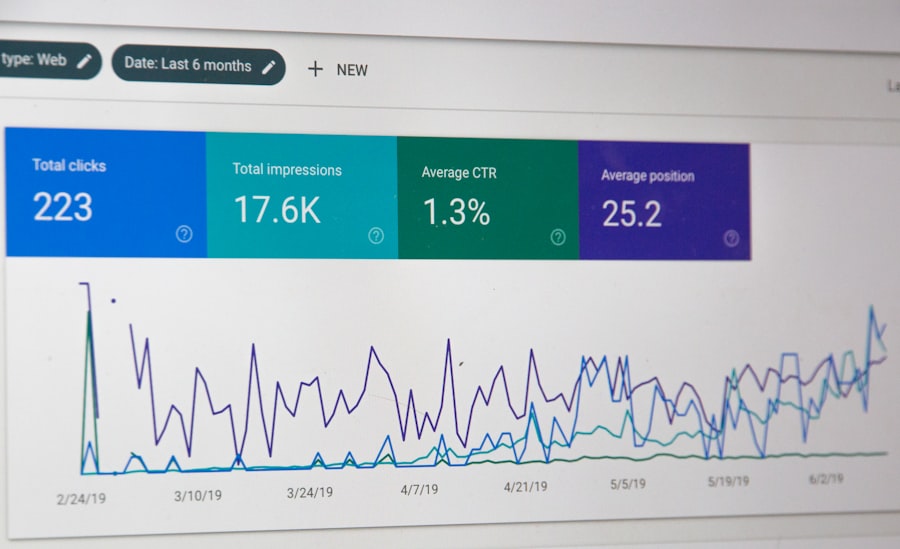
Accurate market forecasting is critical for businesses engaged in global trade, as it informs strategic planning and resource allocation. AI has emerged as a powerful tool for enhancing forecasting accuracy through its ability to analyse vast datasets quickly and identify patterns that may not be immediately apparent to human analysts. By incorporating variables such as economic indicators, consumer sentiment, and geopolitical developments into their models, businesses can gain deeper insights into future market conditions.
The predictive capabilities of AI also extend to risk management in global trade. By identifying potential disruptions—such as supply chain interruptions or shifts in consumer demand—AI enables companies to develop contingency plans that mitigate risks before they materialise. This proactive approach not only safeguards revenue but also enhances resilience in an unpredictable global market.
As businesses increasingly rely on data-driven insights for decision-making, the role of AI in market forecasting will continue to grow in importance.
The Ethical and Regulatory Challenges of AI in Trade and Commerce
Despite the numerous benefits that AI brings to global trade and commerce, its rapid adoption raises significant ethical and regulatory challenges that must be addressed. One major concern is the potential for bias in AI algorithms, which can lead to unfair treatment of certain groups or individuals. For instance, if an AI system used for credit scoring is trained on biased data, it may inadvertently discriminate against specific demographics.
Ensuring fairness and transparency in AI systems is essential for maintaining public trust and promoting equitable outcomes in trade. Additionally, the regulatory landscape surrounding AI is still evolving. Governments must grapple with how best to regulate AI technologies while fostering innovation.
Striking a balance between encouraging technological advancement and protecting consumers from potential harms is a complex challenge that requires collaboration between policymakers, industry stakeholders, and ethicists. As AI continues to permeate various aspects of trade and commerce, establishing clear guidelines and ethical standards will be crucial for ensuring its responsible use.
The Potential of AI to Drive Innovation and Growth in Global Trade
Looking ahead, the potential of AI to drive innovation and growth in global trade is immense. As businesses continue to explore new applications for AI technologies, we can expect to see further advancements that enhance productivity and create new market opportunities. For instance, the development of autonomous logistics solutions—such as self-driving delivery vehicles—could revolutionise how goods are transported across borders, reducing costs and improving delivery times.
Moreover, AI has the capacity to facilitate collaboration between businesses across different regions by enabling seamless communication and data sharing. This interconnectedness can lead to the emergence of new business models that leverage shared resources and expertise, ultimately driving economic growth on a global scale. As organisations embrace the transformative power of AI, they will not only enhance their own operations but also contribute to a more dynamic and innovative global trade environment.
In conclusion, the rise of artificial intelligence in global trade and commerce represents a paradigm shift that offers both opportunities and challenges. From streamlining supply chain management to enhancing cross-border payments, AI is reshaping how businesses operate on an international level. However, addressing ethical concerns and regulatory challenges will be essential for harnessing its full potential responsibly.
As we move forward into an increasingly digital future, the role of AI in driving innovation and growth will undoubtedly be pivotal in shaping the landscape of global trade for years to come.
The article “The First Ubuntu Tablet Computer to Seem Soon” discusses the upcoming release of a new tablet computer running on the Ubuntu operating system. This innovative device is set to make waves in the tech industry and could potentially have a significant impact on global trade and commerce. With the integration of AI technology in devices like this tablet, businesses will have access to more advanced tools and capabilities to streamline their operations and reach a wider audience. This development highlights the growing influence of AI on various sectors of the economy, including trade and commerce. To learn more about this exciting new product, you can read the full article here.
FAQs
What is AI?
AI stands for artificial intelligence, which refers to the simulation of human intelligence in machines that are programmed to think and learn like humans.
How is AI impacting global trade and commerce?
AI is impacting global trade and commerce in various ways, including improving supply chain management, enhancing customer service through chatbots and virtual assistants, enabling predictive analytics for demand forecasting, and automating repetitive tasks to increase efficiency and productivity.
What are the benefits of AI in global trade and commerce?
The benefits of AI in global trade and commerce include cost savings, improved decision-making through data analysis, enhanced customer experiences, increased productivity, and the ability to adapt to changing market conditions more effectively.
What are the potential challenges of AI in global trade and commerce?
Some potential challenges of AI in global trade and commerce include job displacement due to automation, data privacy and security concerns, ethical considerations related to AI decision-making, and the need for workforce upskilling to adapt to AI technologies.
How is AI being used in international trade and cross-border transactions?
AI is being used in international trade and cross-border transactions to automate customs processes, facilitate trade finance through predictive risk assessment, improve logistics and supply chain management, and enhance fraud detection and compliance with trade regulations.
What are some examples of AI applications in global trade and commerce?
Some examples of AI applications in global trade and commerce include autonomous vehicles for transportation and delivery, natural language processing for multilingual customer support, machine learning algorithms for demand forecasting, and robotic process automation for streamlining administrative tasks.


 into global trade and commerce has marked a significant transformation in how businesses operate and..)