
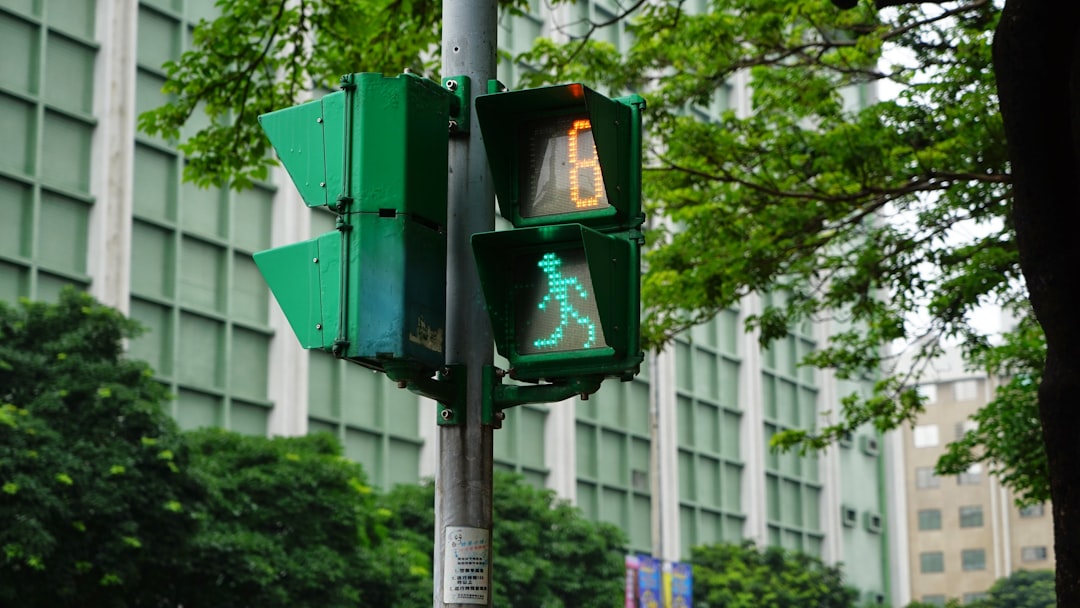
The concept of smart cities has emerged as a pivotal response to the challenges posed by rapid urbanisation and the increasing demands on urban infrastructure. As populations swell in urban areas, cities are compelled to innovate and adapt to ensure sustainable living conditions. Smart cities leverage technology and data to enhance the quality of life for their residents, improve operational efficiency, and promote environmental sustainability.
This multifaceted approach integrates various elements, including transportation, energy management, and public services, creating a cohesive urban ecosystem that is responsive to the needs of its inhabitants. At the heart of the smart city initiative is the integration of information and communication technology (ICT) with physical infrastructure. This synergy enables cities to collect and analyse data in real-time, facilitating informed decision-making and resource allocation.
The ultimate goal is to create urban environments that are not only efficient but also resilient, capable of adapting to changing circumstances and challenges. As cities around the globe embark on this transformative journey, the potential benefits of smart city initiatives become increasingly apparent, promising enhanced livability, economic growth, and environmental stewardship. Have you read the latest blog post on artificial intelligence?
Summary
- Smart cities use technology and data to improve the quality of life for residents and enhance the efficiency of urban services.
- Technology and infrastructure in smart cities include IoT devices, sensors, and advanced communication networks to enable data collection and analysis.
- Sustainable energy and transportation in smart cities focus on reducing carbon emissions and promoting eco-friendly modes of transport.
- Smart governance and citizen engagement involve using digital platforms to involve residents in decision-making and improve public services.
- Data collection and management in smart cities is crucial for monitoring and improving urban systems and services.
Technology and Infrastructure in Smart Cities
Advanced Technologies at the Forefront
Advanced technologies such as the Internet of Things (IoT), artificial intelligence (AI), and big data analytics play a crucial role in this transformation. IoT devices, for instance, can monitor everything from traffic patterns to energy consumption, providing valuable insights that inform city planning and management.
Interconnected Infrastructure for Improved Service Delivery
This interconnectedness allows for a more responsive infrastructure that can adapt to real-time demands, ultimately leading to improved service delivery. Moreover, the physical infrastructure of intelligent cities is designed with sustainability and efficiency in mind.
Sustainable and Efficient Infrastructure
Smart grids, for example, optimise energy distribution by integrating renewable energy sources and enabling real-time monitoring of energy usage. Similarly, smart transportation systems utilise data analytics to manage traffic flow, reduce congestion, and enhance public transport services. By investing in such technologies, cities can not only improve their operational efficiency but also reduce their carbon footprint, contributing to broader environmental goals.
Sustainable Energy and Transportation in Smart Cities

Sustainable energy solutions are a cornerstone of smart city development, addressing the pressing need for environmentally friendly alternatives to traditional energy sources. Smart cities prioritise renewable energy integration, utilising solar panels, wind turbines, and other sustainable technologies to power urban infrastructure. By harnessing these resources, cities can significantly reduce their reliance on fossil fuels, thereby mitigating greenhouse gas emissions and promoting cleaner air quality.
Transportation systems within smart cities are also evolving to embrace sustainability. Electric vehicles (EVs) are becoming increasingly prevalent, supported by the installation of charging stations throughout urban areas. Additionally, smart public transport systems are being developed to enhance accessibility and efficiency.
Real-time tracking of buses and trains allows residents to plan their journeys more effectively, reducing wait times and encouraging the use of public transport over private vehicles. This shift not only alleviates traffic congestion but also contributes to a reduction in overall emissions.
Smart Governance and Citizen Engagement
| Metrics | Data |
|---|---|
| Citizen Satisfaction | 85% |
| Number of Citizen Feedback | 500 |
| Participation in Public Consultations | 70% |
| Number of Smart Governance Initiatives | 10 |
Effective governance is essential for the successful implementation of smart city initiatives. Smart governance involves leveraging technology to enhance transparency, accountability, and citizen participation in decision-making processes. By utilising digital platforms, local governments can engage with residents more effectively, soliciting feedback on policies and initiatives that directly impact their lives.
This two-way communication fosters a sense of community ownership and encourages civic engagement. Citizen engagement is further enhanced through the use of mobile applications and online portals that provide residents with access to information about city services, events, and initiatives. These tools empower citizens to take an active role in shaping their urban environment.
For instance, residents can report issues such as potholes or broken streetlights directly through an app, ensuring that local authorities can respond promptly. This level of engagement not only improves service delivery but also strengthens the relationship between citizens and their local government.
Data Collection and Management in Smart Cities
Data collection is a fundamental aspect of smart city development, enabling cities to make informed decisions based on empirical evidence. The vast amounts of data generated by IoT devices, sensors, and other technologies provide valuable insights into urban dynamics. However, effective data management is crucial to ensure that this information is utilised efficiently and ethically.
Cities must establish robust frameworks for data governance that prioritise privacy and security while maximising the benefits of data-driven decision-making. Moreover, data analytics plays a pivotal role in transforming raw data into actionable insights. By employing advanced analytical techniques, cities can identify trends and patterns that inform urban planning and policy development.
For example, analysing traffic data can help city planners optimise road layouts or improve public transport routes. Additionally, predictive analytics can be employed to anticipate future challenges, allowing cities to proactively address issues before they escalate.
Challenges and Opportunities in Smart City Development
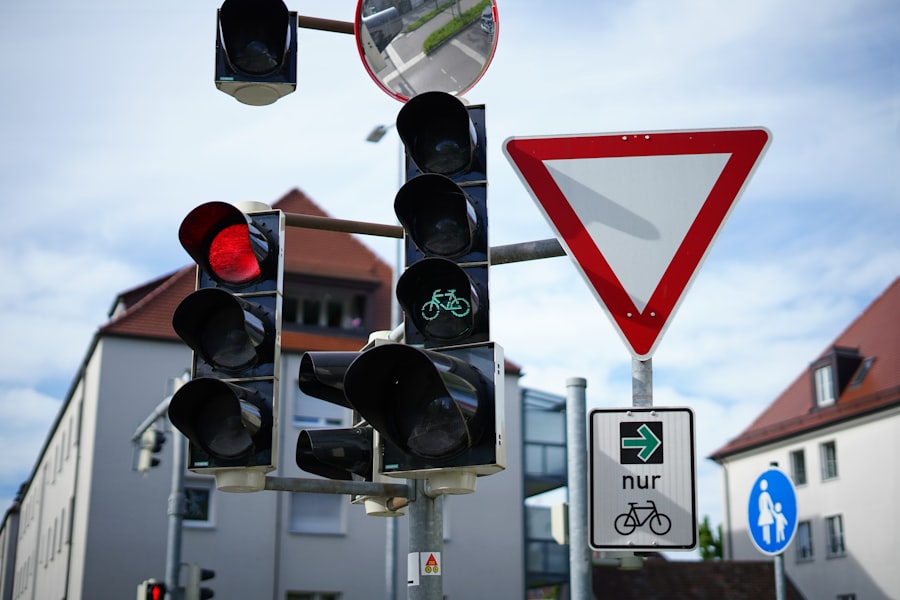
While the potential benefits of smart city initiatives are significant, several challenges must be addressed to realise this vision fully. One major hurdle is the digital divide; not all residents have equal access to technology or the internet. Ensuring that all citizens can participate in smart city initiatives is essential for fostering inclusivity and equity.
Local governments must prioritise initiatives that bridge this gap, such as providing free public Wi-Fi or investing in digital literacy programmes. Another challenge lies in the integration of various technologies and systems within a smart city framework. As cities adopt multiple platforms for different services—ranging from transportation management to waste collection—ensuring interoperability becomes critical.
A lack of standardisation can lead to inefficiencies and hinder the overall effectiveness of smart city initiatives. However, these challenges also present opportunities for innovation; collaboration between public and private sectors can drive the development of integrated solutions that enhance urban living.
Case Studies of Successful Smart City Initiatives
Several cities around the world have successfully implemented smart city initiatives that serve as models for others to follow. For instance, Barcelona has embraced smart technology across various sectors, including waste management and public transport. The city’s smart waste bins use sensors to monitor fill levels, optimising collection routes and reducing operational costs.
Additionally, Barcelona’s extensive network of smart traffic lights adapts in real-time to traffic conditions, improving flow and reducing congestion. Another notable example is Singapore, which has positioned itself as a global leader in smart city development. The city-state has implemented an extensive range of initiatives aimed at enhancing urban living through technology.
One such initiative is the Smart Nation programme, which focuses on harnessing data analytics to improve public services and infrastructure. Singapore’s use of sensors throughout the city provides valuable insights into everything from air quality to traffic patterns, enabling proactive management of urban challenges.
The Future of Smart Cities: Innovations and Trends
As technology continues to evolve at a rapid pace, the future of smart cities holds immense potential for further innovation and improvement. Emerging trends such as 5G connectivity promise to revolutionise urban environments by enabling faster data transmission and more reliable communication between devices. This enhanced connectivity will facilitate the development of even more sophisticated applications across various sectors.
Additionally, advancements in artificial intelligence are set to play a transformative role in smart city development. AI algorithms can analyse vast datasets more efficiently than ever before, providing insights that drive better decision-making across urban planning, resource management, and public safety. Furthermore, as cities increasingly prioritise sustainability, innovations in green technology will continue to shape the future landscape of urban living.
In conclusion, smart cities represent a forward-thinking approach to addressing the complexities of modern urban life. By harnessing technology and data-driven strategies, cities can enhance their resilience while improving the quality of life for their residents. As we look ahead, it is clear that the journey towards smarter urban environments will be marked by both challenges and opportunities—each requiring collaboration among stakeholders at all levels to create sustainable solutions for future generations.
In a recent article on smart cities and sustainable urban living, the importance of technology in creating more efficient and environmentally friendly cities was highlighted. This concept is further explored in a related article on the best exchange platform for cryptocurrency, which discusses how digital currencies can play a role in shaping the future of urban development. To read more about this fascinating intersection of technology and sustainability, check out the article here.
FAQs
What is a smart city?
A smart city is a city that uses technology and data to improve the quality of life for its residents, enhance sustainability, and optimize urban services and infrastructure.
What are the key technologies used in smart cities?
Key technologies used in smart cities include Internet of Things (IoT) devices, sensors, data analytics, artificial intelligence, and communication networks to collect and analyze data for better decision-making and resource management.
How do smart cities contribute to sustainable urban living?
Smart cities contribute to sustainable urban living by optimizing energy usage, reducing waste, improving transportation systems, and enhancing public services through the use of technology and data-driven solutions.
What are some examples of smart city initiatives?
Examples of smart city initiatives include smart transportation systems, energy-efficient buildings, waste management solutions, smart grids, and digital platforms for citizen engagement and service delivery.
What are the potential benefits of smart cities?
Potential benefits of smart cities include improved efficiency of urban services, reduced environmental impact, enhanced public safety, better quality of life for residents, and economic growth through innovation and technology.
What are some challenges associated with implementing smart city technologies?
Challenges associated with implementing smart city technologies include data privacy and security concerns, high initial investment costs, interoperability issues, and the need for effective governance and citizen engagement.


