
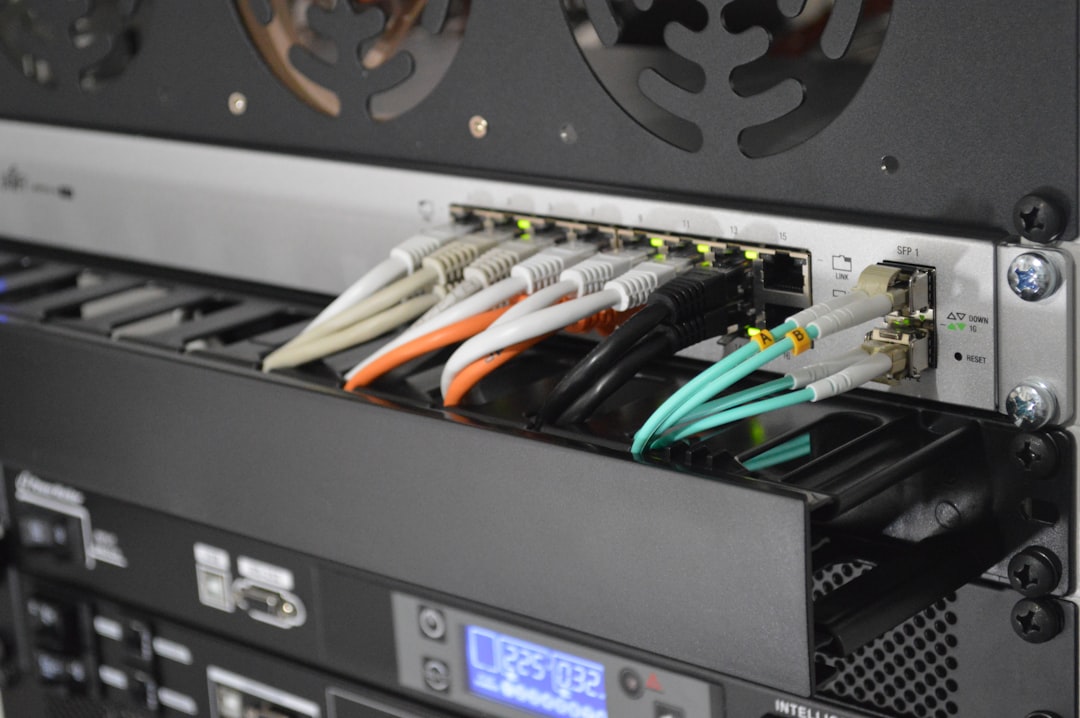
Disaster recovery refers to the strategies and processes that organisations implement to restore their operations and recover data following a disruptive event. Such events can range from natural disasters, such as floods and earthquakes, to man-made incidents, including cyberattacks and system failures. In an increasingly interconnected world, the reliance on technology has become paramount in ensuring that businesses can swiftly return to normalcy after a disaster.
The integration of technology into disaster recovery plans not only enhances the speed of recovery but also improves the overall resilience of organisations. As the landscape of threats evolves, so too must the strategies employed to mitigate their impact. The role of technology in disaster recovery is multifaceted, encompassing data backup solutions, communication tools, and infrastructure resilience measures.
By leveraging advanced technologies, organisations can create robust disaster recovery plans that not only safeguard critical data but also ensure continuity of operations. This article will explore the significance of technology in disaster recovery, the various types of technology employed, the challenges faced, best practices for implementation, and future trends that may shape the field. Have you read the latest blog post on artificial intelligence?
Summary
- Disaster recovery involves the use of technology to restore and recover critical systems and data after a disaster.
- Technology plays a crucial role in disaster recovery by enabling rapid response, data backup, and remote access to critical systems.
- Types of technology used in disaster recovery include cloud computing, data replication, virtualization, and automated failover systems.
- Challenges in utilising technology for disaster recovery include cost, complexity, and the need for skilled IT professionals.
- Best practices for implementing technology in disaster recovery include regular testing, documentation, and collaboration between IT and business units.
Importance of Technology in Disaster Recovery
The importance of technology in disaster recovery cannot be overstated. In today’s digital age, data is often considered an organisation’s most valuable asset. The loss of data can lead to significant financial repercussions, reputational damage, and even legal consequences.
Therefore, having a reliable technological framework in place is essential for minimising these risks. Technology facilitates rapid data recovery, enabling organisations to restore operations with minimal downtime. This capability is crucial for maintaining customer trust and ensuring business continuity.
Moreover, technology enhances communication during a disaster. Effective communication is vital for coordinating response efforts and keeping stakeholders informed. Tools such as cloud-based platforms and mobile applications allow for real-time updates and collaboration among team members, regardless of their physical location.
This connectivity ensures that everyone involved in the recovery process is on the same page, which is essential for a coordinated response. In essence, technology serves as the backbone of modern disaster recovery efforts, providing the tools necessary to navigate crises effectively.
Types of Technology Used in Disaster Recovery

A variety of technologies are employed in disaster recovery strategies, each serving a specific purpose in safeguarding data and ensuring operational continuity. One of the most critical components is data backup solutions, which include both on-premises and cloud-based systems. On-premises backups involve storing data on local servers or external hard drives, while cloud-based backups offer off-site storage that can be accessed remotely.
The latter has gained popularity due to its scalability and ease of access, allowing organisations to retrieve data from anywhere with an internet connection. In addition to data backup solutions, organisations often utilise virtualisation technology as part of their disaster recovery plans. Virtualisation allows multiple operating systems to run on a single physical server, enabling organisations to quickly spin up virtual machines in the event of a failure.
This capability significantly reduces recovery time and minimises disruption to business operations. Furthermore, communication technologies such as VoIP systems and instant messaging platforms play a crucial role in maintaining contact during a crisis, ensuring that teams can collaborate effectively even when physical access to facilities is compromised.
Challenges and Limitations of Utilising Technology in Disaster Recovery
| Challenges and Limitations of Utilising Technology in Disaster Recovery |
|---|
| Lack of reliable power sources |
| Dependency on internet connectivity |
| Complexity of integrating different technologies |
| Cost of implementing and maintaining technology solutions |
| Security concerns and data privacy issues |
| Limited access to technology in remote or underdeveloped areas |
Despite the numerous advantages that technology offers in disaster recovery, there are also significant challenges and limitations that organisations must navigate. One primary concern is the complexity of integrating various technologies into a cohesive disaster recovery plan. Many organisations utilise a mix of legacy systems and modern solutions, which can create compatibility issues and complicate recovery efforts.
Ensuring that all components work seamlessly together requires careful planning and ongoing maintenance. Another challenge lies in the potential for cyber threats during a disaster recovery process. As organisations focus on restoring operations, they may inadvertently expose themselves to cyberattacks if proper security measures are not in place.
For instance, if backup systems are not adequately secured, they may become targets for ransomware attacks. Additionally, reliance on technology can lead to complacency; organisations may underestimate the importance of traditional recovery methods or fail to conduct regular drills to test their plans effectively.
Best Practices for Implementing Technology in Disaster Recovery
To maximise the effectiveness of technology in disaster recovery, organisations should adhere to several best practices. First and foremost, it is essential to conduct a thorough risk assessment to identify potential vulnerabilities and threats specific to the organisation’s operations. This assessment should inform the selection of appropriate technologies and strategies tailored to address identified risks.
Regular testing and updating of disaster recovery plans are also critical. Organisations should conduct simulations and drills to ensure that all team members are familiar with their roles during a crisis. These exercises not only help identify gaps in the plan but also reinforce the importance of preparedness among staff.
Furthermore, maintaining clear documentation of all processes and technologies involved in disaster recovery can facilitate smoother execution during an actual event.
Case Studies of Successful Utilisation of Technology in Disaster Recovery

Robust Planning and Cloud-Based Solutions
One notable case is that of a major financial institution that faced a significant cyberattack aimed at crippling its operations. The organisation had previously implemented a robust disaster recovery plan that included cloud-based backups and virtualisation technologies. When the attack occurred, they were able to swiftly restore services by activating their virtual machines from backups stored in the cloud, resulting in minimal downtime and preserving customer trust.
Remote Data Storage and Telehealth Technologies
Another example involves a healthcare provider that experienced a natural disaster that damaged its physical facilities. The organisation had invested in remote data storage solutions and telehealth technologies prior to the event. As a result, they were able to continue providing care through telemedicine platforms while simultaneously restoring their physical infrastructure.
Ensuring Continuity of Care and Essential Services
This adaptability not only ensured continuity of care for patients but also highlighted the critical role that technology plays in maintaining essential services during crises.
Future Trends and Innovations in Technology for Disaster Recovery
As technology continues to evolve, so too will its applications in disaster recovery. One emerging trend is the increasing use of artificial intelligence (AI) and machine learning (ML) to enhance predictive analytics capabilities. These technologies can analyse vast amounts of data to identify patterns and predict potential disruptions before they occur, allowing organisations to proactively address vulnerabilities.
Additionally, advancements in blockchain technology may offer new avenues for securing data integrity during disaster recovery processes. By providing a decentralised ledger system, blockchain can enhance transparency and security for data transactions, making it more difficult for malicious actors to tamper with critical information during recovery efforts. As these innovations develop, they will likely reshape how organisations approach disaster recovery planning and execution.
The Role of Technology in Building Resilience for Disaster Recovery
In conclusion, technology plays an indispensable role in modern disaster recovery efforts. Its ability to facilitate rapid data restoration, enhance communication, and improve operational resilience cannot be overlooked. However, organisations must remain vigilant about the challenges associated with technological integration and cyber threats during recovery processes.
By adhering to best practices and staying informed about emerging trends, businesses can leverage technology effectively to build resilience against future disruptions. As we move forward into an increasingly uncertain world, the importance of robust disaster recovery plans supported by advanced technologies will only grow. Organisations that prioritise these strategies will be better positioned to navigate crises successfully while safeguarding their assets and maintaining stakeholder trust.
Ultimately, embracing technology as a core component of disaster recovery will empower organisations to thrive even in the face of adversity.
In a recent article on disaster recovery technology, the importance of integrating Windows 11 into websites was highlighted. The article discusses how designer integrated Windows 11 can enhance the efficiency and effectiveness of disaster recovery processes. By utilising the latest technology, businesses can ensure that their websites are fully functional and accessible even during times of crisis. To read more about this topic, visit this article.
FAQs
What is disaster recovery technology?
Disaster recovery technology refers to the tools, processes, and systems used to recover and restore data, applications, and IT infrastructure in the event of a natural or man-made disaster.
What are the key components of technology in disaster recovery?
Key components of technology in disaster recovery include data backup and recovery solutions, virtualization, cloud computing, remote access and communication tools, and disaster recovery planning and management software.
How does technology help in disaster recovery?
Technology helps in disaster recovery by enabling organizations to back up and restore critical data and applications, maintain business continuity through remote access and communication tools, and quickly recover IT infrastructure using virtualization and cloud computing solutions.
What are the benefits of using technology in disaster recovery?
The benefits of using technology in disaster recovery include faster recovery times, reduced data loss, improved business continuity, cost savings through virtualization and cloud computing, and enhanced disaster recovery planning and management.
What are some examples of technology used in disaster recovery?
Examples of technology used in disaster recovery include data backup and recovery solutions such as tape backup and cloud backup, virtualization platforms like VMware and Hyper-V, cloud computing services from providers like Amazon Web Services and Microsoft Azure, and disaster recovery planning and management software such as Zerto and Veeam.


