
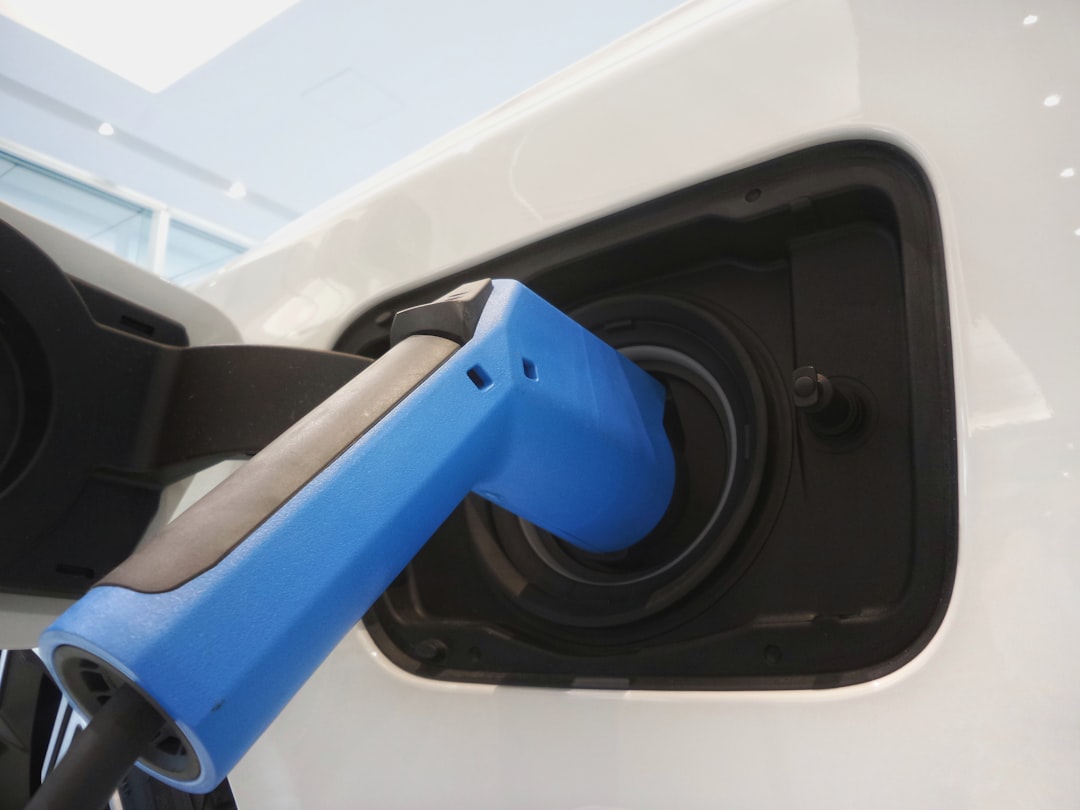
The automotive industry is undergoing a significant transformation, with electric vehicles (EVs) at the forefront of this evolution. Over the past decade, there has been a marked increase in the adoption of EVs, driven by a combination of technological advancements, government incentives, and a growing awareness of environmental issues. The shift from traditional internal combustion engines to electric powertrains is not merely a trend; it represents a fundamental change in how we think about transportation.
Major automotive manufacturers are investing heavily in research and development to produce more efficient, longer-range electric vehicles, which has led to a wider variety of models available to consumers. The rise of electric vehicles is also supported by the expansion of charging infrastructure. Governments and private companies are collaborating to establish extensive networks of charging stations, making it more convenient for consumers to transition to electric mobility.
Additionally, advancements in battery technology have significantly improved the range and performance of EVs, addressing one of the primary concerns that potential buyers have had regarding electric vehicles. As a result, the market for EVs is expected to continue its upward trajectory, with projections indicating that they could account for a substantial portion of new car sales in the coming years. Have you read the latest blog post on artificial intelligence?
Summary
- Electric vehicles are becoming increasingly popular due to their environmental benefits and technological advancements.
- Autonomous technology is rapidly advancing, with the potential to revolutionise the way we travel.
- Connected transportation systems are being integrated to improve efficiency and safety in urban mobility.
- The rise of electric and autonomous vehicles is impacting urban mobility, with potential benefits for reducing congestion and pollution.
- Renewable energy plays a crucial role in powering electric transportation, contributing to a more sustainable future.
The Advancement of Autonomous Technology
In parallel with the rise of electric vehicles, autonomous technology is making remarkable strides. The development of self-driving cars has captured the imagination of both consumers and industry experts alike. Companies such as Waymo, Tesla, and various traditional automakers are investing billions into research and development to create vehicles that can navigate without human intervention.
This technology relies on a combination of sensors, cameras, and artificial intelligence to interpret the vehicle’s surroundings and make real-time decisions. The implications of autonomous technology extend beyond mere convenience; they promise to enhance road safety significantly. Human error is a leading cause of traffic accidents, and by removing the human element from driving, it is anticipated that the number of accidents could decrease dramatically.
Furthermore, autonomous vehicles can optimise traffic flow and reduce congestion through advanced algorithms that manage vehicle movement more efficiently than human drivers can. As this technology continues to mature, it is likely to reshape not only personal transportation but also public transport systems and logistics operations.
The Integration of Connected Transportation Systems
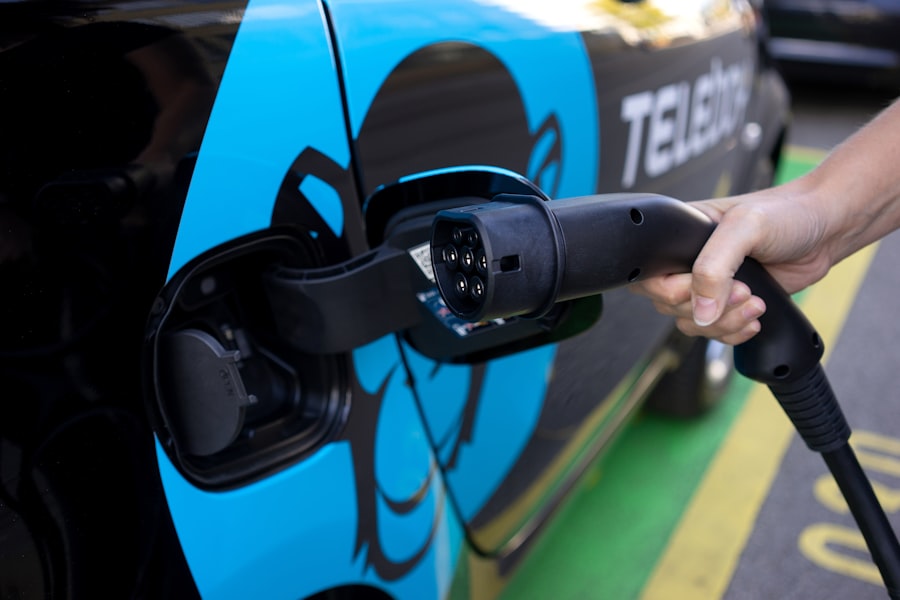
The integration of connected transportation systems represents another critical facet of the evolving landscape of mobility. Connected vehicles communicate with each other and with infrastructure such as traffic lights and road signs, creating a network that enhances safety and efficiency. This connectivity allows for real-time data exchange, enabling vehicles to share information about traffic conditions, hazards, and even weather changes.
Such systems can lead to more informed decision-making for drivers and automated systems alike. Moreover, connected transportation systems can facilitate smarter urban planning. By analysing data collected from connected vehicles, city planners can gain insights into traffic patterns and commuter behaviours.
This information can inform decisions about where to build new roads or public transport routes, ultimately leading to more efficient urban environments. The potential for connected systems extends beyond individual vehicles; it encompasses entire transportation networks that can adapt dynamically to changing conditions, thereby improving overall mobility.
The Impact on Urban Mobility
| City | Population | Public Transport Usage | Traffic Congestion |
|---|---|---|---|
| London | 8.9 million | 64% | High |
| New York | 8.4 million | 58% | Very High |
| Tokyo | 9.3 million | 71% | Moderate |
The convergence of electric vehicles, autonomous technology, and connected systems is poised to have a profound impact on urban mobility. As cities grapple with increasing populations and congestion, these innovations offer promising solutions to enhance the efficiency of urban transport. Electric vehicles contribute to reducing air pollution in densely populated areas, while autonomous vehicles can alleviate traffic congestion by optimising driving patterns and reducing the number of cars on the road through shared mobility services.
Furthermore, the integration of these technologies can lead to a reimagining of urban spaces. With fewer parking requirements due to shared autonomous vehicles, cities may reclaim valuable land currently used for parking lots and garages for parks or community spaces. This shift could enhance the quality of life for urban residents by creating more green spaces and promoting active transportation modes such as walking and cycling.
As urban mobility evolves, it is essential for city planners and policymakers to consider how these technologies can be harnessed to create more sustainable and livable urban environments.
The Role of Renewable Energy in Transportation
The transition to electric vehicles is intrinsically linked to the broader movement towards renewable energy sources. As the demand for electric vehicles grows, so too does the need for clean energy to power them. The environmental benefits of EVs are maximised when they are charged using renewable energy sources such as solar, wind, or hydroelectric power.
This synergy not only reduces greenhouse gas emissions but also diminishes reliance on fossil fuels, contributing to energy security. Moreover, integrating renewable energy into transportation systems can create a more resilient energy grid. For instance, electric vehicles can serve as mobile energy storage units that feed electricity back into the grid during peak demand periods.
This bidirectional flow of energy can help balance supply and demand while providing EV owners with potential financial incentives. As renewable energy technologies continue to advance and become more cost-effective, their role in powering transportation will become increasingly significant.
The Challenges of Implementing Electric, Autonomous, and Connected Transportation
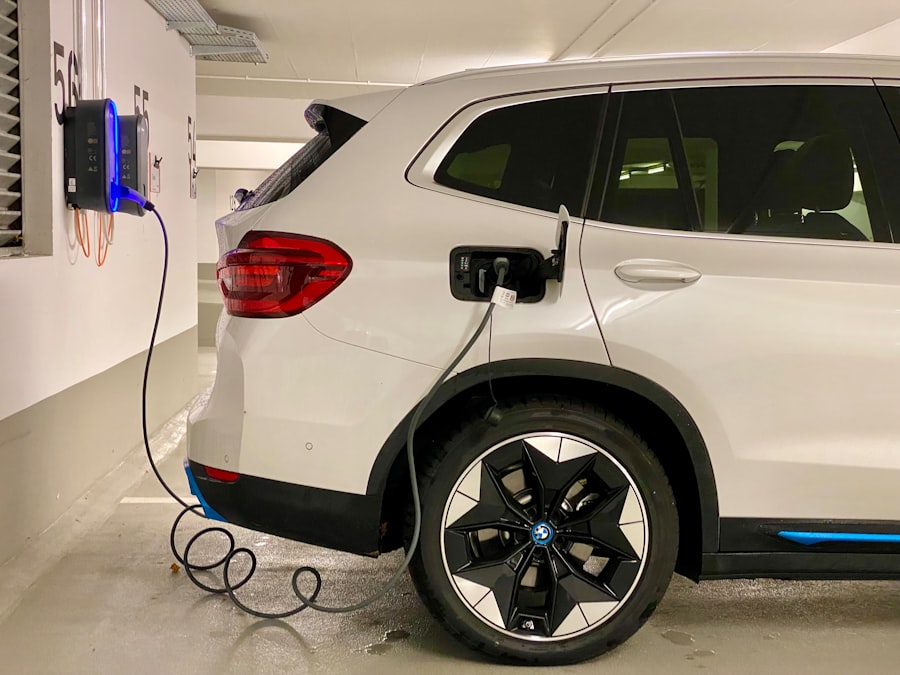
Despite the promising advancements in electric, autonomous, and connected transportation technologies, several challenges remain that must be addressed for widespread implementation. One significant hurdle is the need for robust infrastructure to support these innovations. For electric vehicles, this includes an extensive network of charging stations that are accessible and convenient for users.
In many regions, particularly rural areas, charging infrastructure is still lacking, which can deter potential EV buyers. Additionally, regulatory frameworks must evolve to keep pace with technological advancements. Governments need to establish clear guidelines for autonomous vehicle testing and deployment while ensuring public safety remains a priority.
There are also concerns regarding data privacy and cybersecurity in connected transportation systems; as vehicles become more interconnected, they may be vulnerable to hacking or misuse. Addressing these challenges will require collaboration among governments, industry stakeholders, and consumers to create a cohesive strategy for implementing these transformative technologies.
The Potential Benefits for the Environment
The environmental benefits associated with electric vehicles and sustainable transportation systems are substantial. Transitioning from fossil fuel-powered vehicles to electric alternatives can significantly reduce greenhouse gas emissions, contributing to global efforts to combat climate change. Furthermore, electric vehicles produce zero tailpipe emissions, which improves air quality in urban areas where pollution levels are often high due to vehicular traffic.
In addition to reducing emissions from personal vehicles, the integration of renewable energy sources into transportation systems can further enhance environmental sustainability. By harnessing clean energy for charging electric vehicles, we can decrease our reliance on fossil fuels and mitigate their detrimental effects on the environment. Moreover, autonomous and connected transportation systems have the potential to optimise traffic flow and reduce congestion, leading to lower overall emissions from idling vehicles.
Collectively, these advancements represent a significant step towards creating a more sustainable future for transportation.
The Future of Transportation: Opportunities and Challenges
Looking ahead, the future of transportation presents both exciting opportunities and formidable challenges. The convergence of electric vehicles, autonomous technology, and connected systems offers the potential for a more efficient, sustainable, and user-friendly transport landscape. However, realising this vision will require concerted efforts from various stakeholders including governments, industry leaders, and consumers.
As we navigate this transformative period in transportation history, it is crucial to address the challenges associated with infrastructure development, regulatory frameworks, and public acceptance of new technologies. By fostering collaboration among all parties involved and prioritising sustainability in our approach to transportation planning, we can harness these innovations to create a future that not only meets our mobility needs but also protects our environment for generations to come. The journey towards this future will undoubtedly be complex; however, with careful planning and commitment to innovation, we can pave the way for a new era in transportation that benefits society as a whole.
In a recent article discussing the future of transportation, it was highlighted how electric, autonomous, and connected vehicles are set to revolutionise the way we travel. This shift towards more sustainable and efficient modes of transport is not only beneficial for the environment but also for improving overall road safety and reducing congestion. To further explore the advancements in technology shaping the transportation industry, you may be interested in reading about the latest updates on the Current Stable Version FDM Ver 3.9 Build 1249. This article delves into the innovative features and improvements in the field of flight simulation software, offering a glimpse into the cutting-edge developments driving the future of transportation. Read more here.
FAQs
What are the key components of the future of transportation?
The future of transportation is expected to be electric, autonomous, and connected. This means vehicles will be powered by electricity, capable of driving themselves, and able to communicate with each other and with infrastructure.
What are the benefits of electric transportation?
Electric transportation offers several benefits, including reduced greenhouse gas emissions, lower operating costs, and decreased reliance on fossil fuels. Electric vehicles also have fewer moving parts, resulting in lower maintenance requirements.
What are autonomous vehicles?
Autonomous vehicles, also known as self-driving cars, are vehicles that can operate without human intervention. They use a combination of sensors, cameras, and artificial intelligence to navigate and make driving decisions.
What are the potential advantages of autonomous vehicles?
Autonomous vehicles have the potential to improve road safety by reducing human error, increase mobility for people who are unable to drive, and improve traffic flow by reducing congestion and accidents.
What does it mean for vehicles to be connected?
Connected vehicles are able to communicate with each other and with infrastructure, such as traffic signals and road signs. This connectivity can enable features such as real-time traffic information, predictive maintenance, and enhanced safety systems.
What are some challenges to the future of transportation?
Challenges to the future of transportation include the need for widespread infrastructure for electric vehicles, regulatory and safety concerns related to autonomous vehicles, and ensuring the security and privacy of connected vehicle data.


 at the forefront of this evolution. Over the past..)