
The Internet of Things (IoT) has undergone a remarkable transformation since its inception, evolving from a theoretical concept into a tangible reality that permeates various aspects of modern life. The term “Internet of Things” was first coined in 1999 by Kevin Ashton, who envisioned a world where everyday objects could connect to the internet and communicate with one another. Initially, the idea was met with scepticism, as the technology required to facilitate such connectivity was still in its infancy.
However, advancements in wireless communication, sensor technology, and data analytics have propelled IoT from a mere concept into a robust ecosystem of interconnected devices. As the 21st century progressed, the proliferation of smartphones and the expansion of internet access laid the groundwork for IoT’s rapid growth. By integrating sensors and connectivity into everyday objects, manufacturers began to create smart devices that could collect and exchange data.
This shift not only enhanced user convenience but also opened up new avenues for innovation across various sectors. Today, IoT encompasses a vast array of applications, from smart home devices that automate household tasks to industrial IoT systems that optimise manufacturing processes. The journey from concept to reality has been marked by significant technological advancements and an increasing recognition of the potential benefits that IoT can offer. Have you read the latest blog post on artificial intelligence?
Summary
- The concept of IoT has evolved from a theoretical idea to a tangible reality, with connected devices becoming an integral part of daily life.
- IoT has significantly impacted daily life, changing the way we live through the interconnectedness of devices and the convenience they bring.
- Despite its benefits, IoT also presents challenges such as security, privacy, and data protection, which need to be addressed for its sustainable growth.
- Businesses are increasingly embracing IoT in the workplace, leveraging connected technology to improve efficiency and productivity.
- The future of IoT holds exciting innovations and trends to watch out for, promising further advancements in connected technology.
The Impact of IoT on Daily Life: How Connected Devices are Changing the Way We Live
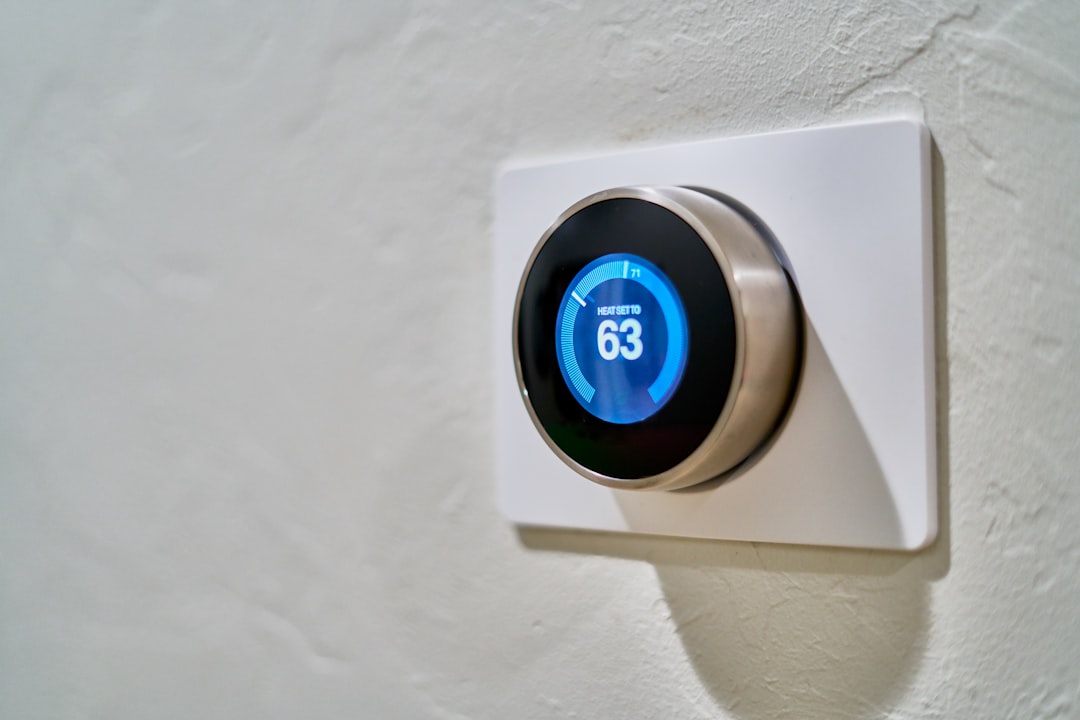
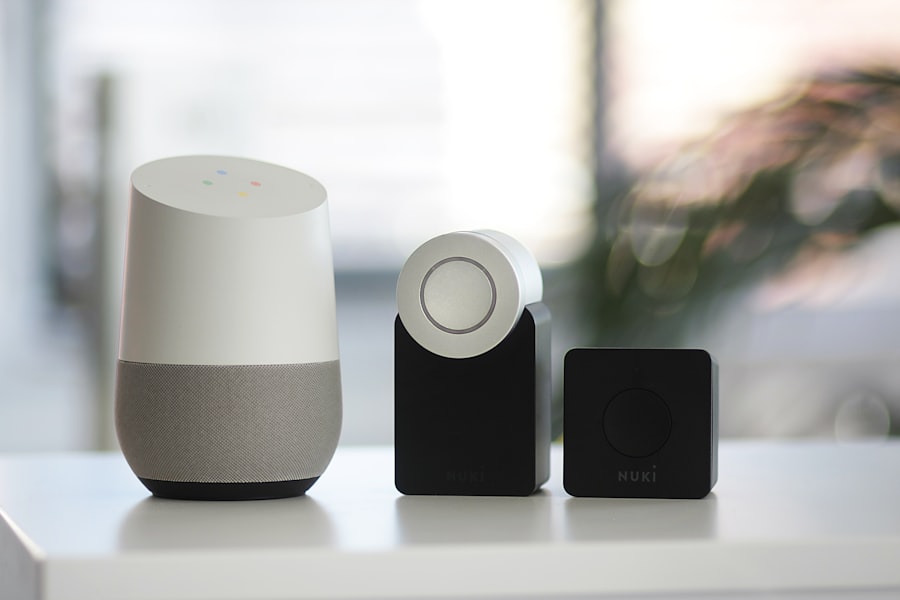
The impact of IoT on daily life is profound and multifaceted, fundamentally altering how individuals interact with their environment. Smart home devices, such as thermostats, lighting systems, and security cameras, have become commonplace, allowing users to control their homes remotely through smartphones or voice-activated assistants. This level of connectivity not only enhances convenience but also promotes energy efficiency and security.
For instance, smart thermostats can learn user preferences and adjust heating or cooling accordingly, leading to reduced energy consumption and lower utility bills. Moreover, IoT has transformed the way people approach health and fitness. Wearable devices, such as fitness trackers and smartwatches, enable individuals to monitor their physical activity, heart rate, and sleep patterns in real-time.
This data-driven approach empowers users to make informed decisions about their health and well-being. Additionally, connected medical devices are revolutionising patient care by facilitating remote monitoring and telehealth services. Patients can now receive timely medical advice without the need for in-person visits, thereby improving access to healthcare services and enhancing overall patient outcomes.
The Challenges and Concerns of IoT: Security, Privacy, and Data Protection

Despite the numerous advantages that IoT offers, it also presents significant challenges and concerns, particularly regarding security, privacy, and data protection. As more devices become interconnected, the potential for cyberattacks increases exponentially. Hackers can exploit vulnerabilities in IoT devices to gain unauthorised access to personal information or even take control of critical systems.
High-profile incidents involving compromised smart devices have raised alarms about the need for robust security measures to protect users from potential threats. Privacy concerns are equally pressing in the IoT landscape. The vast amounts of data generated by connected devices can reveal sensitive information about individuals’ habits, preferences, and behaviours.
Without adequate safeguards in place, this data could be misused or inadequately protected. Consumers are increasingly aware of these risks and demand greater transparency from manufacturers regarding how their data is collected, stored, and used. As a result, businesses must prioritise data protection strategies to build trust with their customers while complying with evolving regulations surrounding data privacy.
IoT in the Workplace: How Businesses are Embracing Connected Technology
| Metrics | Statistics |
|---|---|
| Percentage of businesses embracing IoT | 67% |
| IoT devices used in the workplace | Smart thermostats, security cameras, smart lighting |
| Benefits of IoT in the workplace | Increased efficiency, cost savings, improved employee productivity |
| Challenges of implementing IoT | Security concerns, integration with existing systems, data privacy |
In the workplace, IoT is driving significant changes in operational efficiency and productivity. Businesses are increasingly adopting connected technologies to streamline processes and enhance decision-making capabilities. For instance, smart sensors can monitor equipment performance in real-time, allowing companies to predict maintenance needs before failures occur.
This proactive approach not only minimises downtime but also reduces operational costs associated with unexpected repairs. Furthermore, IoT facilitates improved collaboration among employees by enabling seamless communication and information sharing. Connected devices can provide real-time updates on project statuses or inventory levels, ensuring that teams are always informed and aligned.
Additionally, smart office solutions—such as automated lighting and climate control—create a more comfortable working environment while optimising energy usage. As organisations continue to embrace IoT technologies, they are likely to experience enhanced agility and competitiveness in an increasingly digital marketplace.
The Future of IoT: Innovations and Trends to Watch Out For
Looking ahead, the future of IoT is poised for continued innovation and expansion across various sectors. One notable trend is the integration of artificial intelligence (AI) with IoT devices. By leveraging AI algorithms, connected devices can analyse vast amounts of data to make intelligent decisions autonomously.
This synergy has the potential to revolutionise industries such as agriculture, where smart sensors can optimise irrigation based on real-time weather data or soil conditions. Another emerging trend is the development of edge computing, which involves processing data closer to the source rather than relying solely on centralised cloud servers. This approach reduces latency and enhances the responsiveness of IoT applications, making it particularly beneficial for time-sensitive operations such as autonomous vehicles or industrial automation.
As these technologies continue to evolve, they will undoubtedly shape the future landscape of IoT, creating new opportunities for innovation while addressing existing challenges.
IoT in Healthcare: Revolutionizing the Medical Industry with Connected Devices
The healthcare sector is experiencing a transformative shift due to the integration of IoT technologies. Connected medical devices are enabling healthcare providers to monitor patients remotely, leading to improved patient outcomes and reduced hospital readmissions. For example, wearable health monitors can track vital signs such as heart rate and blood pressure in real-time, alerting healthcare professionals to any concerning changes that may require immediate attention.
Moreover, IoT is facilitating personalised medicine by enabling healthcare providers to tailor treatments based on individual patient data collected from connected devices. This data-driven approach allows for more accurate diagnoses and targeted therapies, ultimately enhancing patient care. Additionally, telemedicine services powered by IoT technologies are expanding access to healthcare for individuals in remote or underserved areas, bridging gaps in service delivery and improving overall health equity.
Smart Cities and IoT: How Connected Technology is Improving Urban Living
The concept of smart cities is gaining traction as urban areas seek to leverage IoT technologies to enhance quality of life for residents. By integrating connected devices into urban infrastructure—such as traffic management systems, waste management solutions, and public transportation—cities can optimise resource allocation and improve overall efficiency. For instance, smart traffic lights can adjust their timing based on real-time traffic conditions, reducing congestion and minimising travel times for commuters.
Additionally, IoT-enabled environmental monitoring systems can provide valuable insights into air quality and noise pollution levels within urban areas. This data empowers city planners to make informed decisions about urban development while promoting sustainability initiatives aimed at reducing environmental impact. As cities continue to embrace smart technologies, they will not only enhance the living experience for residents but also create more resilient urban environments capable of adapting to future challenges.
The Role of Government and Regulation in the IoT Era: Balancing Innovation with Consumer Protection
As IoT continues to proliferate across various sectors, governments play a crucial role in establishing regulations that balance innovation with consumer protection. Policymakers must navigate the complexities of fostering technological advancement while ensuring that individuals’ rights are safeguarded against potential risks associated with connected devices. This includes addressing issues related to data privacy, cybersecurity standards, and ethical considerations surrounding AI integration.
Regulatory frameworks must evolve alongside technological advancements to keep pace with the rapidly changing landscape of IoT. Collaboration between governments, industry stakeholders, and consumer advocacy groups is essential in developing comprehensive policies that promote responsible innovation while protecting consumers’ interests. By fostering an environment conducive to both technological progress and consumer trust, governments can help shape a future where IoT continues to thrive while prioritising safety and privacy for all users.
In conclusion, the evolution of IoT has significantly impacted various aspects of daily life, from enhancing convenience in homes to revolutionising industries such as healthcare and urban planning. While challenges related to security and privacy persist, ongoing innovations promise a future where connected technologies continue to improve quality of life across the globe. As we navigate this dynamic landscape, it is imperative that stakeholders work collaboratively to ensure that the benefits of IoT are realised while safeguarding consumer rights in an increasingly interconnected world.
In a recent article on Instagram’s new age verification feature, the discussion of privacy concerns in the era of IoT is brought to light. As more and more devices become interconnected, the issue of data security and personal information protection becomes increasingly important. This ties in with the concept of a connected world, as explored in the original article on IoT. Companies like Instagram are constantly innovating to keep up with the demands of a digital age, but it is crucial that they do so in a way that respects the privacy and security of their users.
FAQs
What is the Internet of Things (IoT)?
The Internet of Things (IoT) refers to the network of physical objects or “things” embedded with sensors, software, and other technologies that enable them to connect and exchange data with other devices and systems over the internet.
What are examples of IoT devices?
Examples of IoT devices include smart thermostats, wearable fitness trackers, connected home security systems, smart appliances, industrial machinery with sensors, and smart city infrastructure such as traffic lights and waste management systems.
How does IoT technology work?
IoT devices collect data through embedded sensors and transmit it over the internet to a centralised platform where it can be analysed and used to make decisions or trigger actions. This enables remote monitoring, control, and automation of various processes and systems.
What are the benefits of IoT?
The benefits of IoT include improved efficiency and productivity, cost savings, enhanced data collection and analysis, better decision-making, and the ability to create new business models and revenue streams.
What are the challenges of IoT?
Challenges of IoT include security and privacy concerns, interoperability issues between different devices and systems, data management and storage requirements, and the need for standardisation and regulation to ensure the reliability and safety of IoT technology.
How is IoT impacting different industries?
IoT is impacting industries such as healthcare, agriculture, manufacturing, transportation, energy, and retail by enabling the development of smart devices, systems, and processes that improve operational efficiency, customer experiences, and overall business performance.


 has undergone a remarkable transformation since its inception, evolving from a theoretical concept into a tangible..)