
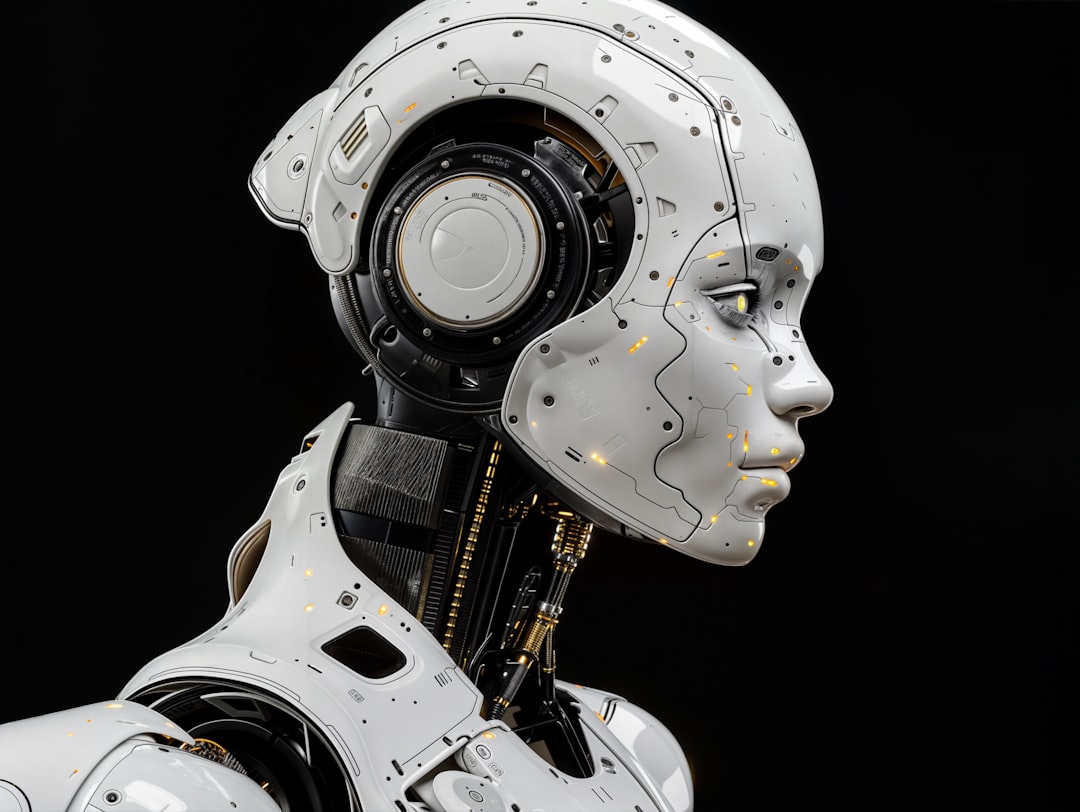
The integration of artificial intelligence (AI) into human-robot interaction has witnessed a remarkable surge in recent years. This evolution is largely driven by advancements in machine learning, computer vision, and robotics, which have collectively enhanced the capabilities of robots to understand and respond to human behaviours. As a result, robots are no longer confined to performing repetitive tasks; they are now capable of engaging in complex interactions with humans, adapting to their needs and preferences.
This shift has opened up new avenues for collaboration between humans and machines, fostering environments where robots can assist in various sectors, from manufacturing to personal care. Moreover, the rise of AI in this domain has been facilitated by the increasing availability of data and computational power. With vast amounts of information at their disposal, AI systems can learn from human interactions, improving their performance over time.
This learning capability allows robots to become more intuitive and responsive, making them valuable partners in both professional and personal settings. As society becomes more accustomed to interacting with intelligent machines, the potential for AI-driven robots to enhance productivity and improve quality of life continues to expand. Have you read the latest blog post on artificial intelligence?
Summary
- AI is revolutionizing human-robot interaction, leading to more seamless and intuitive communication between humans and robots.
- Ethical considerations are crucial in the development of AI, ensuring that robots are programmed to act in accordance with moral and social norms.
- The evolution of AI is reshaping job markets, creating new opportunities for human-robot collaboration and changing the nature of work.
- Natural language processing advancements are enhancing communication with robots, making it easier for humans to interact with and command them.
- Emotional intelligence plays a key role in human-robot interaction, as robots are being designed to understand and respond to human emotions.
Ethical Considerations in AI Development and Human-Robot Interaction
As the capabilities of AI in human-robot interaction grow, so too do the ethical considerations surrounding their development and deployment. One of the primary concerns is the potential for bias in AI algorithms, which can lead to unfair treatment or discrimination against certain groups. Ensuring that AI systems are designed with fairness and inclusivity in mind is crucial to fostering trust between humans and robots.
Developers must be vigilant in addressing these biases during the training phase, utilising diverse datasets that accurately represent the population they serve. Another significant ethical consideration is the question of accountability. As robots become more autonomous, determining who is responsible for their actions becomes increasingly complex.
In scenarios where a robot causes harm or makes a mistake, it is essential to establish clear guidelines regarding liability. This issue is particularly pertinent in sectors such as healthcare and transportation, where the consequences of robotic errors can be severe. Establishing ethical frameworks that govern the behaviour of AI systems will be vital in ensuring that human-robot interactions remain safe and beneficial.
The Impact of AI Evolution on Job Markets and Human-Robot Collaboration
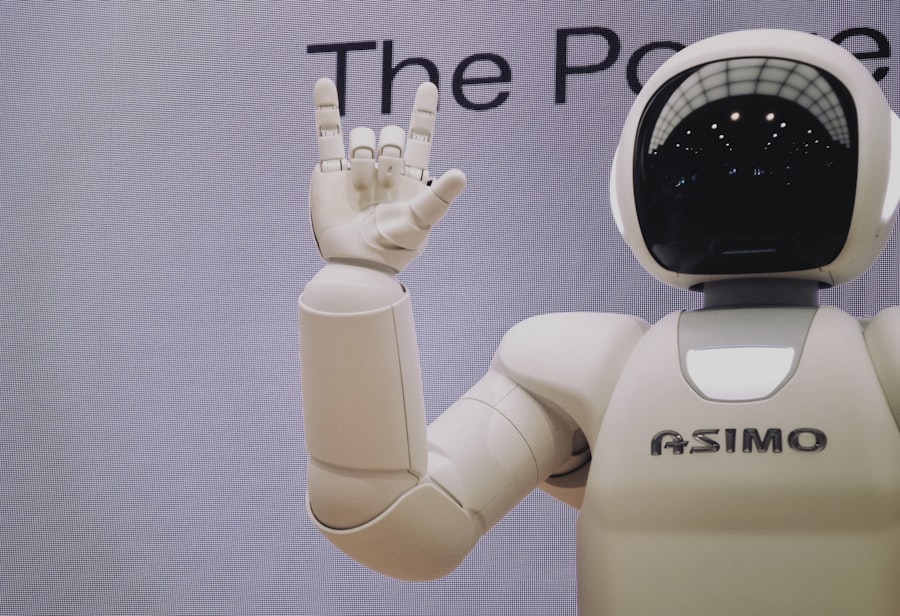
The evolution of AI technology has sparked considerable debate regarding its impact on job markets and the nature of human-robot collaboration. On one hand, there are concerns that increased automation may lead to job displacement, particularly in industries reliant on routine tasks. As robots become more capable of performing these functions, workers may find themselves facing unemployment or the need for retraining.
However, it is essential to recognise that AI also has the potential to create new job opportunities. As robots take over mundane tasks, humans can focus on more complex and creative roles that require critical thinking and emotional intelligence. Furthermore, the collaboration between humans and robots can lead to enhanced productivity and innovation.
By leveraging the strengths of both parties—robots’ efficiency and precision alongside humans’ creativity and problem-solving abilities—organisations can achieve greater outcomes than either could alone. This symbiotic relationship not only improves operational efficiency but also fosters a more dynamic work environment where employees can engage in more meaningful tasks. As such, rather than viewing AI as a threat to employment, it is crucial to embrace its potential to transform job roles and enhance collaboration.
Advancements in Natural Language Processing and Communication with Robots
| Metrics | Data |
|---|---|
| Number of NLP research papers published | Over 1000 papers published annually |
| Accuracy of language translation by NLP models | Average accuracy of 90% |
| Number of languages supported by NLP models | Over 100 languages supported |
| Percentage of customer queries handled by NLP-powered chatbots | Approximately 70% of queries handled |
Natural language processing (NLP) has emerged as a pivotal area of research within AI, significantly enhancing communication between humans and robots. Recent advancements in NLP have enabled robots to understand and interpret human language with greater accuracy, allowing for more natural interactions. This capability is particularly important as it bridges the gap between human intent and robotic response, making it easier for users to engage with machines without needing specialised knowledge or training.
Moreover, improved NLP technologies have facilitated the development of conversational agents that can hold meaningful dialogues with users. These agents can provide assistance, answer questions, and even engage in casual conversation, making them more relatable and user-friendly. As robots become increasingly adept at understanding context, tone, and nuance in human speech, the potential for effective communication expands significantly.
This evolution not only enhances user experience but also encourages broader acceptance of robotic systems across various sectors.
The Role of Emotional Intelligence in Human-Robot Interaction
Emotional intelligence (EI) plays a crucial role in shaping effective human-robot interactions. As robots become more integrated into daily life, their ability to recognise and respond to human emotions will be paramount in fostering positive relationships. By incorporating EI into their design, robots can better understand users’ feelings and adapt their behaviour accordingly.
This capability is particularly valuable in settings such as healthcare or education, where emotional support can significantly impact outcomes. Furthermore, robots equipped with emotional intelligence can enhance user engagement by providing empathetic responses during interactions. For instance, a robot designed for elderly care could recognise signs of loneliness or distress and respond with comforting dialogue or companionship.
This not only improves the quality of care but also helps build trust between humans and machines. As research continues to advance in this area, the integration of emotional intelligence into robotic systems will likely become a standard expectation rather than an exception.
The Integration of AI in Healthcare and Personal Assistance Robotics
Enhancing Healthcare Delivery
Robots equipped with artificial intelligence capabilities can assist healthcare professionals by performing routine tasks such as monitoring vital signs or managing medication schedules. This enables medical staff to focus on more complex patient needs whilst ensuring that essential care is consistently provided.
Personal Assistance and Companionship
In personal assistance contexts, artificial intelligence-driven robots can offer companionship and support to individuals with disabilities or the elderly. These robots can assist with daily activities such as meal preparation, mobility assistance, or even social interaction through conversation. The ability of these systems to learn from user preferences further enhances their effectiveness, allowing them to tailor their support to individual needs.
A Brighter Future for Healthcare
As technology continues to advance, the potential for artificial intelligence in healthcare will likely expand, leading to improved patient outcomes and enhanced quality of life for many individuals.
The Future of Education and Learning with AI-Powered Robotics
The future of education stands poised for transformation through the integration of AI-powered robotics. These technologies have the potential to create personalised learning experiences that cater to individual student needs. By analysing data on student performance and engagement, AI systems can adapt educational content and teaching methods accordingly, ensuring that each learner receives the support they require to succeed.
Moreover, robotics can facilitate interactive learning environments that promote collaboration among students. For instance, educational robots can engage learners in hands-on activities that encourage problem-solving and critical thinking skills. By fostering an environment where students can experiment and explore concepts through robotics, educators can inspire creativity and innovation.
As AI continues to evolve within educational contexts, it will play an increasingly vital role in shaping future generations’ learning experiences.
Overcoming Challenges and Embracing the Potential of AI in Human-Robot Interaction
While the potential benefits of AI in human-robot interaction are substantial, several challenges must be addressed to fully realise this potential. One significant hurdle is public perception; many individuals remain apprehensive about interacting with robots due to fears surrounding job loss or safety concerns. To overcome these challenges, it is essential to engage in open dialogue about the capabilities and limitations of AI technologies while highlighting their positive contributions to society.
Additionally, ongoing research and development are necessary to ensure that AI systems are designed with safety and ethical considerations at their core. By prioritising transparency and accountability in AI development, stakeholders can build trust among users and encourage wider acceptance of robotic systems. Embracing the potential of AI requires a collaborative effort among researchers, developers, policymakers, and society at large.
By working together to address challenges while promoting innovation, we can harness the transformative power of AI in human-robot interaction for a brighter future.
In a recent article on Microsoft launching a Windows 10 operating system update that brings the Linux kernel officially, the evolution of technology and its impact on human-robot interaction is further explored. The integration of different operating systems and technologies highlights the need for seamless communication between humans and robots, which is a key aspect of AI development. As we continue to advance in the field of technology, the way we interact with robots will also evolve, shaping the future of human-robot interaction.
FAQs
What is AI?
AI stands for artificial intelligence, which refers to the simulation of human intelligence in machines that are programmed to think and learn like humans.
How is AI used in human-robot interaction?
AI is used in human-robot interaction to enable robots to understand and respond to human emotions, gestures, and speech. This allows for more natural and intuitive communication between humans and robots.
What are the benefits of AI in human-robot interaction?
The use of AI in human-robot interaction can lead to more efficient and effective collaboration between humans and robots, as well as improved user experience and overall productivity.
What are the potential challenges of AI in human-robot interaction?
Challenges of AI in human-robot interaction include concerns about privacy, security, and the ethical implications of integrating AI into everyday human-robot interactions.
How is AI shaping the future of human-robot interaction?
AI is shaping the future of human-robot interaction by enabling robots to become more autonomous, adaptable, and capable of understanding and responding to human needs and preferences. This has the potential to revolutionize various industries, including healthcare, manufacturing, and customer service.


 into human-robot interaction has witnessed a remarkable surge in recent years. This evolution is..)