
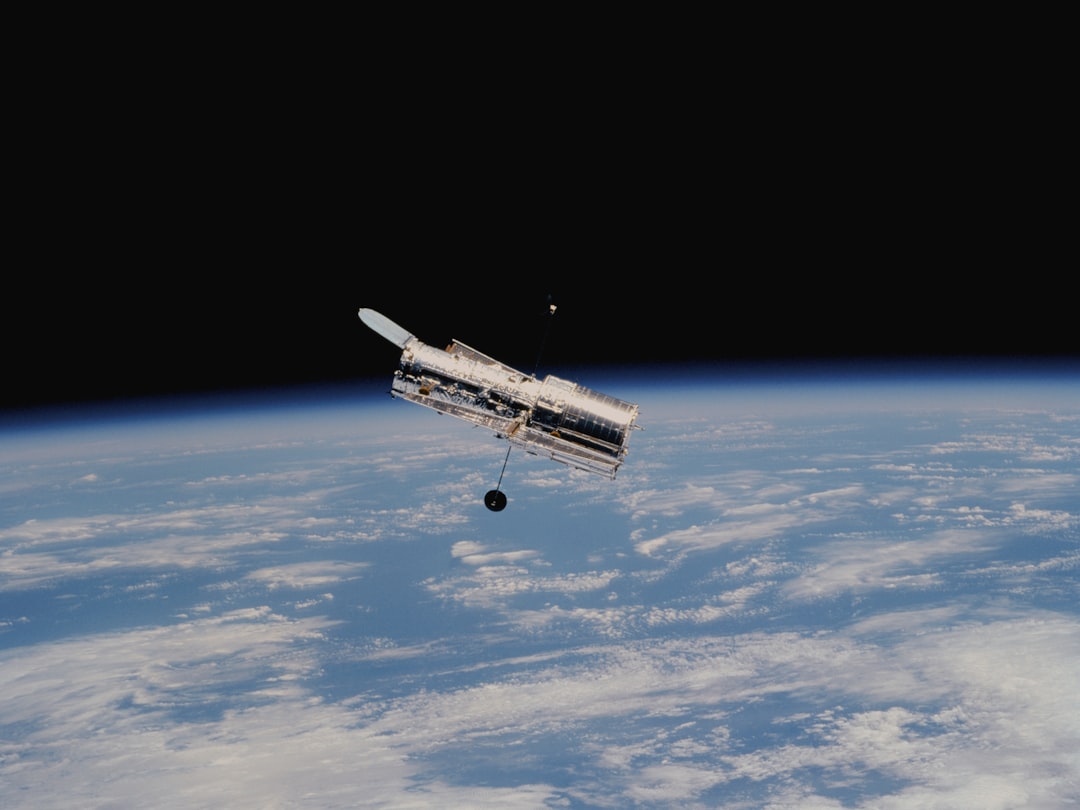
Artificial Intelligence (AI) has emerged as a transformative force in various sectors, and its role in space exploration is particularly noteworthy. The vastness of space presents unique challenges that require innovative solutions, and AI is increasingly being harnessed to address these complexities. From mission planning to real-time decision-making, AI technologies are enhancing the capabilities of space agencies and private enterprises alike.
By automating routine tasks and providing advanced analytical tools, AI allows scientists and engineers to focus on more strategic aspects of exploration, thereby accelerating the pace of discovery. Moreover, AI’s ability to process vast amounts of data is crucial in the context of space exploration. The sheer volume of information generated by telescopes, satellites, and rovers can be overwhelming.
AI algorithms can sift through this data efficiently, identifying patterns and anomalies that may not be immediately apparent to human analysts. This capability not only streamlines the data analysis process but also enhances the accuracy of scientific findings. As we venture further into the cosmos, the integration of AI into space exploration will likely become even more pronounced, shaping the future of our understanding of the universe. Have you read the latest blog post on artificial intelligence?
Summary
- AI plays a crucial role in space exploration by assisting in tasks such as navigation, communication, and data analysis.
- Advancements in AI technology have enabled more efficient and autonomous space missions, reducing the need for human intervention.
- AI has revolutionized data analysis and processing in space exploration, allowing for quicker and more accurate interpretation of vast amounts of information.
- AI has significantly contributed to the development of autonomous spacecraft and rovers, enabling them to make decisions and adapt to changing environments without human input.
- AI’s predictive modelling capabilities have enhanced the planning and execution of space missions, improving the likelihood of success and reducing risks.
Advancements in AI Technology for Space Missions
Recent advancements in AI technology have significantly bolstered its application in space missions. Machine learning, a subset of AI, has gained traction for its ability to learn from data and improve over time. This technology is particularly beneficial for tasks such as image recognition and anomaly detection, which are essential for analysing data from space missions.
For instance, machine learning algorithms can be trained to identify celestial bodies or detect changes in planetary surfaces, enabling scientists to make informed decisions based on real-time data. Additionally, natural language processing (NLP) has made strides that facilitate better communication between humans and machines. In the context of space exploration, NLP can be employed to interpret commands given to spacecraft or rovers, ensuring that they execute tasks accurately.
Furthermore, advancements in robotics and sensor technology have enabled the development of more sophisticated autonomous systems that can operate in the harsh environments of space. These innovations collectively enhance the efficiency and effectiveness of space missions, paving the way for more ambitious exploratory endeavours.
AI’s Impact on Data Analysis and Processing in Space Exploration
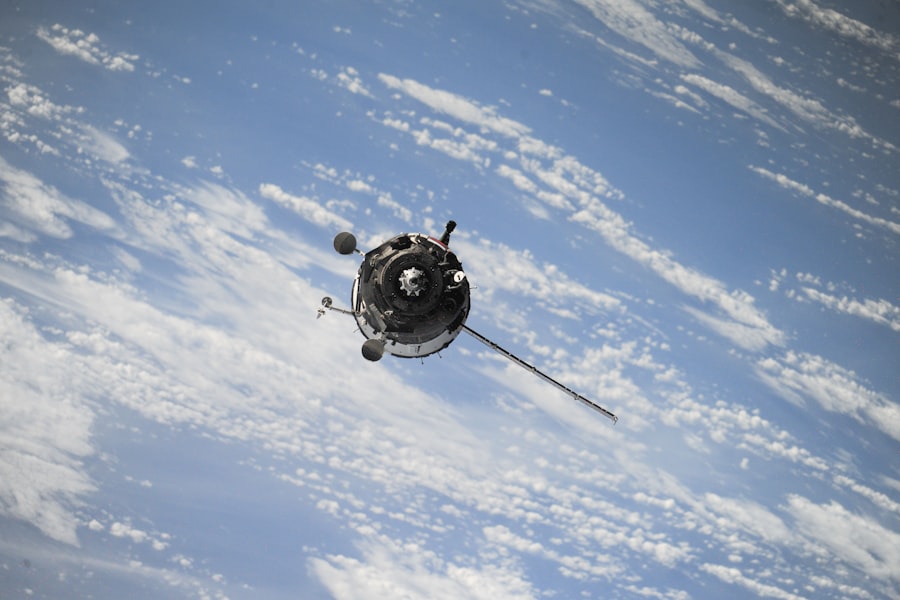
The impact of AI on data analysis and processing in space exploration cannot be overstated. Traditional methods of data analysis often involve manual processes that are time-consuming and prone to human error. In contrast, AI-driven approaches can automate these processes, allowing for rapid analysis of large datasets generated by various missions.
For example, NASA’s Mars rovers generate terabytes of data daily, including images and scientific measurements. AI algorithms can quickly process this information, identifying significant findings that warrant further investigation. Moreover, AI enhances the ability to make sense of complex datasets through advanced statistical techniques and predictive analytics.
By employing these methods, researchers can uncover insights that would otherwise remain hidden. For instance, AI can help identify potential landing sites on other planets by analysing geological features and environmental conditions. This capability not only improves mission planning but also increases the likelihood of successful outcomes by ensuring that missions are directed towards scientifically valuable targets.
AI’s Contribution to Autonomous Spacecraft and Rovers
| Metrics | Contribution |
|---|---|
| Autonomous Navigation | AI enables spacecraft and rovers to navigate and make decisions without human intervention, improving efficiency and reducing communication delays. |
| Obstacle Avoidance | AI algorithms help spacecraft and rovers to detect and avoid obstacles in their path, ensuring safe and successful exploration missions. |
| Decision Making | AI systems can analyse data and make real-time decisions, such as selecting scientific targets or adjusting operations based on changing conditions. |
| Autonomous Operations | AI allows spacecraft and rovers to perform tasks autonomously, such as sample collection, analysis, and communication with Earth. |
The development of autonomous spacecraft and rovers has been significantly influenced by advancements in AI technology. These systems are designed to operate independently in environments where human intervention is not feasible or practical. For example, NASA’s Perseverance rover on Mars is equipped with AI capabilities that allow it to navigate the Martian terrain autonomously.
This autonomy is crucial for conducting scientific experiments and exploring areas that may be too dangerous or inaccessible for human operators. AI also plays a vital role in enabling real-time decision-making for these autonomous systems. When faced with unexpected challenges or obstacles, AI algorithms can analyse the situation and determine the best course of action without waiting for instructions from Earth.
This capability is particularly important given the communication delays associated with interplanetary missions. By empowering spacecraft and rovers with autonomous decision-making abilities, AI enhances their operational efficiency and expands the scope of exploration.
AI’s Role in Predictive Modelling for Space Missions
Predictive modelling is another area where AI has made significant contributions to space exploration. By leveraging historical data and advanced algorithms, AI can forecast potential outcomes and scenarios for upcoming missions. This capability is invaluable for mission planning, as it allows space agencies to anticipate challenges and devise strategies to mitigate risks.
For instance, predictive models can simulate various environmental conditions on other planets, helping scientists understand how spacecraft might perform under different circumstances. Furthermore, predictive modelling can assist in resource management during missions. By analysing data related to fuel consumption, energy usage, and equipment wear-and-tear, AI can provide insights into optimal resource allocation throughout a mission’s duration.
This ensures that missions are conducted efficiently while maximising the chances of success. As we continue to explore deeper into space, the importance of predictive modelling will only grow, enabling more ambitious missions with higher success rates.
The Future of AI in Space Exploration

Looking ahead, the future of AI in space exploration appears promising and full of potential. As technology continues to evolve, we can expect even more sophisticated applications of AI in various aspects of space missions. One area ripe for development is the integration of AI with other emerging technologies such as quantum computing and advanced robotics.
These synergies could lead to breakthroughs in data processing speeds and operational capabilities that were previously unimaginable. Moreover, as private companies increasingly enter the realm of space exploration, competition will likely drive innovation in AI applications. This could result in a diverse array of solutions tailored to specific challenges faced by different missions.
The collaboration between governmental space agencies and private enterprises will further enhance the development and deployment of AI technologies in space exploration. Ultimately, as we push the boundaries of our knowledge about the universe, AI will play an indispensable role in shaping our journey into the cosmos.
Ethical Considerations and Challenges of AI in Space Exploration
While the benefits of integrating AI into space exploration are substantial, it is essential to consider the ethical implications and challenges associated with its use. One primary concern revolves around decision-making autonomy in autonomous spacecraft and rovers. As these systems become more capable of making independent decisions, questions arise regarding accountability and responsibility for their actions.
For instance, if an autonomous rover were to inadvertently damage a valuable scientific site or cause harm to an environment, determining liability could be complex. Additionally, there are concerns about data privacy and security when utilising AI technologies in space exploration. The vast amounts of data collected during missions may contain sensitive information that requires protection from unauthorised access or misuse.
Ensuring robust cybersecurity measures will be crucial as reliance on AI systems increases. Furthermore, as we explore other celestial bodies, ethical considerations regarding planetary protection must be addressed to prevent contamination or disruption of potential extraterrestrial ecosystems.
Collaborations between AI Experts and Space Agencies for Advancing Space Exploration
The advancement of AI in space exploration is significantly bolstered by collaborations between AI experts and space agencies worldwide. These partnerships facilitate knowledge exchange and foster innovation by bringing together diverse skill sets and perspectives. For instance, initiatives such as NASA’s collaboration with academic institutions have led to groundbreaking research in machine learning applications for analysing astronomical data.
Moreover, international collaborations are becoming increasingly common as countries recognise the value of pooling resources and expertise for ambitious space missions. Joint projects involving multiple nations can leverage cutting-edge AI technologies while sharing the associated costs and risks. Such collaborations not only enhance scientific understanding but also promote peaceful cooperation in exploring outer space.
As we continue to push the frontiers of exploration, these partnerships will be vital for harnessing the full potential of AI in our quest to understand the universe better. In conclusion, artificial intelligence is poised to play a pivotal role in shaping the future of space exploration. From enhancing data analysis capabilities to enabling autonomous operations and predictive modelling, AI technologies are revolutionising how we approach our quest for knowledge beyond Earth.
However, it is crucial to navigate the ethical considerations associated with these advancements carefully while fostering collaborations that drive innovation forward. As we stand on the brink of new discoveries, embracing AI’s potential will undoubtedly lead us toward a deeper understanding of our universe.
AI in Space Exploration: Unlocking the Universe’s Secrets is a fascinating topic that highlights the incredible advancements in technology. In a related article, Leveraging Automation for Entrepreneurs and Businesses, the focus is on how automation is revolutionising various industries, including space exploration. The use of AI and automation in space missions is allowing scientists and researchers to gather data more efficiently and accurately, ultimately helping us unlock the mysteries of the universe. It is truly remarkable to see how technology is shaping the future of space exploration.
FAQs
What is AI in space exploration?
AI in space exploration refers to the use of artificial intelligence technologies to enhance and automate various aspects of space missions, including data analysis, decision-making, and autonomous operation of spacecraft and rovers.
How is AI used in space exploration?
AI is used in space exploration for a variety of purposes, including autonomous navigation of spacecraft, analysis of large volumes of data collected from space missions, and the development of intelligent systems for controlling and operating space probes and rovers.
What are the benefits of using AI in space exploration?
The use of AI in space exploration can lead to more efficient and cost-effective space missions, as well as enable the discovery of new insights and knowledge about the universe. AI can also help in overcoming communication delays and enable real-time decision-making during space missions.
What are some examples of AI applications in space exploration?
Examples of AI applications in space exploration include the use of machine learning algorithms to analyze data from telescopes and space probes, the development of autonomous navigation systems for spacecraft, and the use of AI-powered robotics for planetary exploration.
What are the challenges of using AI in space exploration?
Challenges of using AI in space exploration include the need to develop robust and reliable AI systems that can operate in the harsh conditions of space, as well as the ethical and legal considerations related to the use of AI in space missions.
How does AI contribute to unlocking the universe’s secrets?
AI contributes to unlocking the universe’s secrets by enabling the analysis of large volumes of data collected from space missions, as well as by facilitating the development of intelligent systems for autonomous exploration and decision-making in space.


 has emerged as a transformative force in various sectors, and its role in space exploration is particularly noteworthy...)