
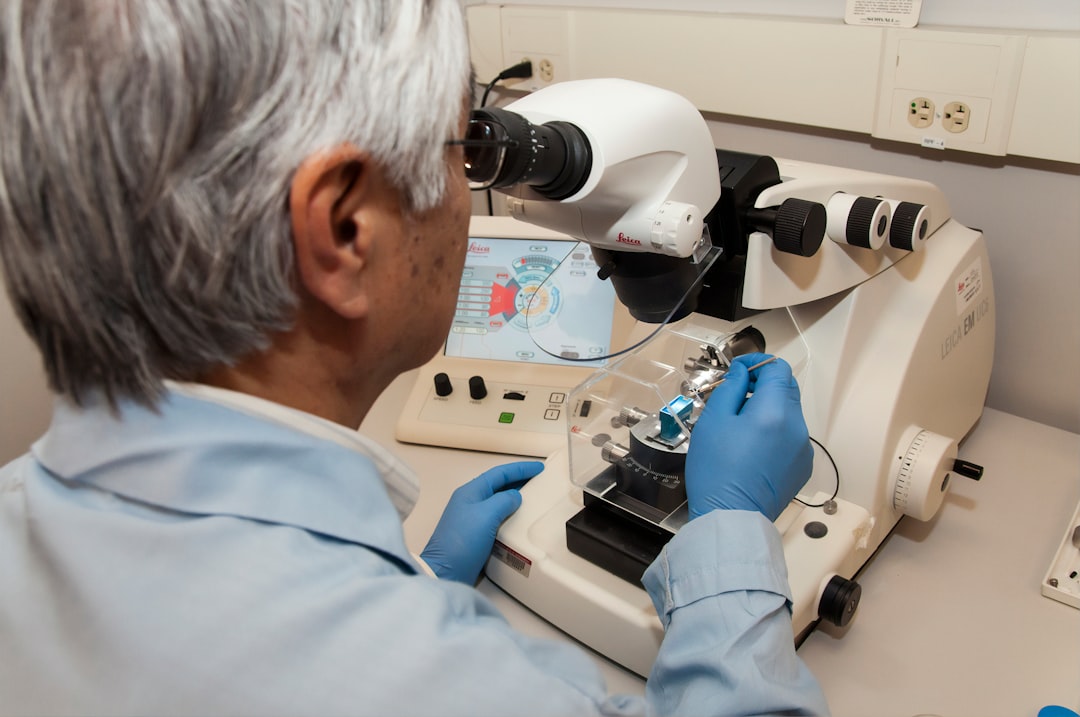
Personalised medicine, often referred to as precision medicine, has emerged as a transformative approach in the field of healthcare. This paradigm shift is characterised by the tailoring of medical treatment to the individual characteristics of each patient, particularly their genetic makeup, lifestyle, and environmental factors. The rise of personalised medicine can be attributed to advancements in genomics, biotechnology, and data analytics, which have collectively enhanced our understanding of diseases at a molecular level.
As a result, healthcare providers are increasingly able to move away from the traditional one-size-fits-all model of treatment, which often fails to account for the unique variations among patients. The increasing prevalence of chronic diseases, coupled with the limitations of conventional treatment methods, has further propelled the demand for personalised medicine. Conditions such as cancer, diabetes, and cardiovascular diseases exhibit significant heterogeneity in their pathophysiology and response to treatment.
Personalised medicine aims to address these complexities by utilising genetic testing and biomarker analysis to identify the most effective therapeutic strategies for individual patients. This approach not only improves treatment efficacy but also minimises adverse effects, thereby enhancing overall patient outcomes and satisfaction. Have you read the latest blog post on artificial intelligence?
Summary
- Personalised medicine is on the rise, allowing for tailored treatment plans based on an individual’s genetic makeup and other factors.
- AI plays a crucial role in personalised medicine, aiding in data analysis, pattern recognition, and treatment recommendations.
- Predictive analytics helps in identifying potential health issues and determining the most effective personalised treatment for patients.
- Ethical considerations in AI and personalised medicine include privacy concerns, data security, and the potential for bias in algorithms.
- The future of AI in personalised medicine looks promising, with advancements in technology and data-driven healthcare solutions.
The Role of AI in Personalised Medicine
Artificial intelligence (AI) plays a pivotal role in the advancement of personalised medicine by enabling the analysis of vast amounts of data that would be unmanageable for human researchers alone. Machine learning algorithms can sift through genomic data, electronic health records, and clinical trial results to identify patterns and correlations that inform treatment decisions. By leveraging AI, healthcare professionals can gain insights into patient-specific factors that influence disease progression and treatment response, ultimately leading to more informed clinical decisions.
Moreover, AI facilitates the development of predictive models that can forecast disease outcomes based on individual patient data. These models can incorporate a multitude of variables, including genetic information, lifestyle choices, and environmental exposures, to provide a comprehensive view of a patient’s health status. As a result, AI not only enhances the precision of diagnoses but also optimises treatment plans by predicting which therapies are likely to be most effective for specific patient profiles.
This integration of AI into personalised medicine represents a significant leap forward in the quest for more effective and tailored healthcare solutions.
Predictive Analytics and Personalised Treatment
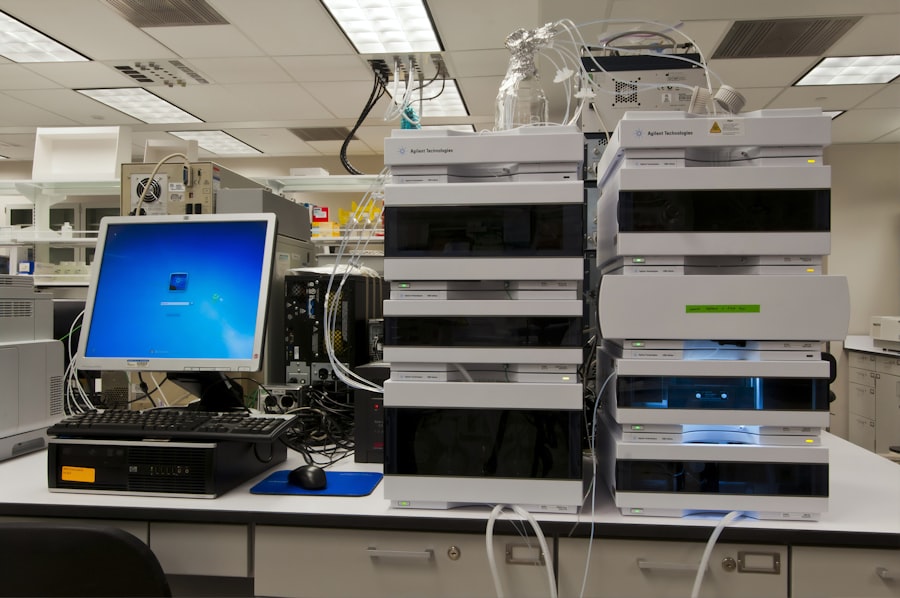
Predictive analytics is a cornerstone of personalised medicine, as it utilises statistical algorithms and machine learning techniques to analyse historical data and predict future outcomes. In the context of personalised treatment, predictive analytics can identify which patients are at higher risk for certain diseases or complications, allowing for early intervention and tailored preventive strategies. For instance, in oncology, predictive models can assess a patient’s genetic profile alongside clinical data to determine their likelihood of responding to specific chemotherapy regimens.
The application of predictive analytics extends beyond oncology; it is also being utilised in chronic disease management, mental health treatment, and even pharmacogenomics—the study of how genes affect a person’s response to drugs. By integrating predictive analytics into clinical practice, healthcare providers can move towards a more proactive approach to patient care. This shift not only enhances the effectiveness of treatments but also optimises resource allocation within healthcare systems by focusing interventions on those who will benefit most.
Ethical Considerations in AI and Personalised Medicine
| Ethical Considerations in AI and Personalised Medicine |
|---|
| Privacy of patient data |
| Transparency in AI decision-making |
| Equitable access to personalised medicine |
| Consent and autonomy of patients |
| Accountability for AI algorithms |
As personalised medicine continues to evolve with the integration of AI technologies, ethical considerations become increasingly paramount. One major concern is the issue of data privacy and security. The utilisation of vast datasets containing sensitive patient information raises questions about consent and the potential for misuse.
Ensuring that patients’ genetic and health data are protected is essential to maintaining trust in the healthcare system and encouraging participation in research studies. Additionally, there is the risk of algorithmic bias in AI systems that could lead to disparities in healthcare outcomes. If AI models are trained on non-representative datasets, they may inadvertently perpetuate existing inequalities in healthcare access and treatment efficacy.
It is crucial for developers and healthcare providers to ensure that AI algorithms are designed with fairness and inclusivity in mind. This involves rigorous testing across diverse populations to ensure that personalised medicine benefits all patients equitably.
The Future of AI in Personalised Medicine
The future of AI in personalised medicine holds immense promise as technology continues to advance at an unprecedented pace. One potential development is the increased integration of real-time data collection through wearable devices and mobile health applications. These technologies can provide continuous monitoring of patients’ health metrics, enabling healthcare providers to make timely adjustments to treatment plans based on real-time insights.
This shift towards continuous care could significantly enhance patient engagement and adherence to treatment protocols. Furthermore, as AI algorithms become more sophisticated, they will likely improve their ability to predict complex interactions between various biological factors. This could lead to breakthroughs in understanding multifactorial diseases and developing targeted therapies that address the underlying causes rather than merely alleviating symptoms.
The convergence of AI with other emerging technologies, such as gene editing and regenerative medicine, may also pave the way for innovative treatment modalities that were previously unimaginable.
Challenges and Limitations of AI in Personalised Medicine

Despite its potential, the integration of AI into personalised medicine is not without challenges and limitations. One significant hurdle is the need for high-quality data. AI algorithms rely on large datasets for training; however, many healthcare systems struggle with data silos and inconsistencies in data collection practices.
Ensuring that data is comprehensive, accurate, and representative is essential for developing reliable AI models that can be generalised across diverse patient populations. Moreover, there is a need for interdisciplinary collaboration among clinicians, data scientists, ethicists, and policymakers to navigate the complexities associated with implementing AI in personalised medicine. Bridging the gap between technical expertise and clinical practice is crucial for translating AI innovations into tangible benefits for patients.
Additionally, regulatory frameworks must evolve to keep pace with technological advancements while ensuring patient safety and ethical standards are upheld.
Success Stories in AI and Personalised Medicine
Numerous success stories illustrate the transformative impact of AI on personalised medicine across various medical fields. In oncology, for instance, companies like Tempus have developed AI-driven platforms that analyse clinical and molecular data to assist oncologists in selecting optimal treatment plans tailored to individual patients’ tumour profiles. This approach has led to improved survival rates and reduced side effects by ensuring that patients receive therapies most likely to be effective for their specific cancer type.
Another notable example is the use of AI in predicting cardiovascular events. Researchers have developed machine learning algorithms that analyse electronic health records to identify patients at high risk for heart attacks or strokes. By implementing targeted interventions based on these predictions, healthcare providers have successfully reduced hospitalisation rates and improved patient outcomes in cardiovascular care.
These success stories underscore the potential of AI-driven personalised medicine to revolutionise patient care across diverse medical disciplines.
The Impact of Personalised Medicine on Healthcare Systems
The advent of personalised medicine has profound implications for healthcare systems worldwide. By shifting towards more tailored treatment approaches, healthcare providers can enhance patient outcomes while simultaneously reducing costs associated with ineffective treatments. Personalised medicine has the potential to streamline resource allocation by focusing interventions on those who are most likely to benefit from them, thereby improving overall efficiency within healthcare systems.
Moreover, as personalised medicine becomes more prevalent, it may lead to a re-evaluation of traditional healthcare delivery models. The emphasis on individualised care could foster greater collaboration among multidisciplinary teams, encouraging a holistic approach to patient management that encompasses not only medical treatment but also lifestyle modifications and psychosocial support. Ultimately, the integration of personalised medicine into healthcare systems represents a significant step towards achieving more effective, equitable, and patient-centred care in an increasingly complex medical landscape.
AI and Personalized Medicine: Tailoring Treatments to Individuals is a fascinating topic that explores the intersection of technology and healthcare. It reminds me of an article I recently read about the next step for social media giants in the content industry and economy. The article discusses how social media platforms are evolving to meet the changing needs of users and advertisers, highlighting the importance of personalised content and targeted advertising. This shift towards personalisation is also evident in the field of medicine, where AI is being used to tailor treatments to individual patients based on their unique genetic makeup and medical history. It’s exciting to see how technology is revolutionising both the social media and healthcare industries. Read more here.
FAQs
What is personalized medicine?
Personalized medicine, also known as precision medicine, is an approach to medical treatment that takes into account individual differences in genetics, environment, and lifestyle. It aims to tailor medical decisions and treatments to the individual patient, rather than adopting a one-size-fits-all approach.
How does AI contribute to personalized medicine?
Artificial intelligence (AI) plays a crucial role in personalized medicine by analyzing large amounts of data, such as genetic information, medical records, and lifestyle factors, to identify patterns and make predictions about individual patient outcomes. AI can help healthcare professionals make more informed decisions about treatment options and predict how a patient will respond to a particular therapy.
What are the benefits of AI in personalized medicine?
AI in personalized medicine can lead to more accurate diagnoses, more effective treatments, and better patient outcomes. By analysing vast amounts of data, AI can identify subtle patterns and correlations that may not be apparent to human healthcare professionals, leading to more precise and tailored medical interventions.
What are some examples of AI applications in personalized medicine?
AI is being used in personalized medicine for a variety of purposes, including predicting patient responses to specific medications, identifying genetic markers for disease risk, and developing targeted therapies based on individual patient characteristics. AI is also used to analyse medical imaging data to assist in the early detection and diagnosis of diseases.
What are the challenges of implementing AI in personalized medicine?
Challenges in implementing AI in personalized medicine include ensuring the privacy and security of patient data, integrating AI systems with existing healthcare infrastructure, and addressing ethical and regulatory considerations. Additionally, there is a need for ongoing validation and refinement of AI algorithms to ensure their accuracy and reliability in clinical settings.


