
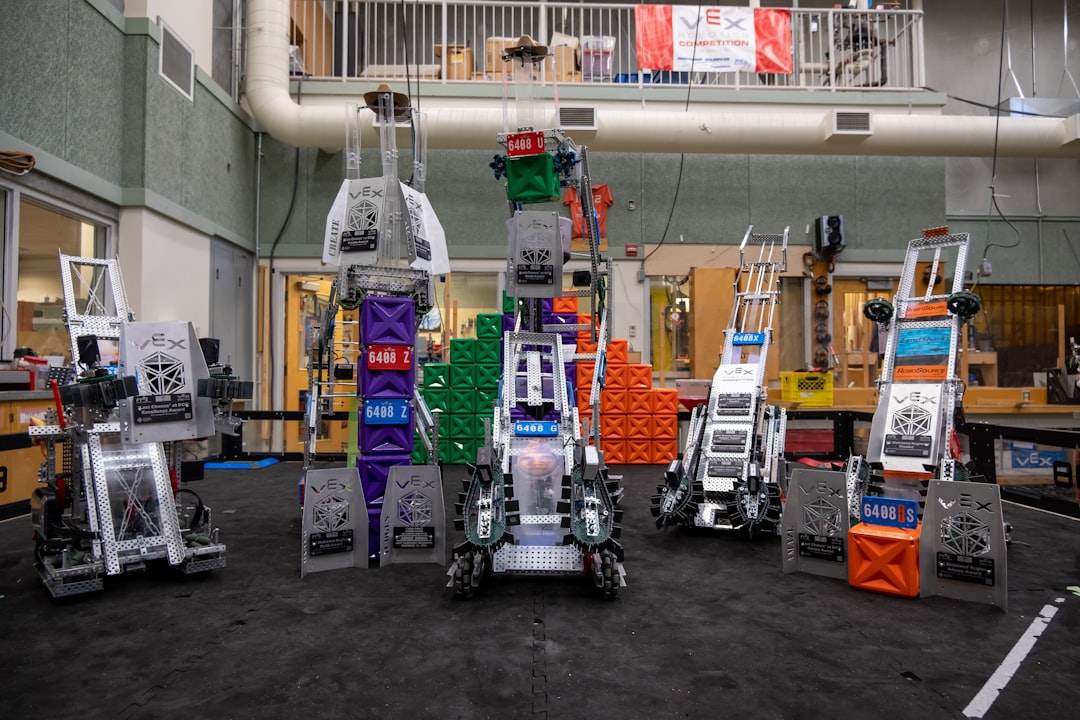
The history of robotics and artificial intelligence (AI) is a fascinating journey that spans several decades, marked by significant milestones and breakthroughs. The concept of automata can be traced back to ancient civilisations, where simple mechanical devices were created to mimic human actions. However, the modern era of robotics began in the mid-20th century, with the advent of electronic computing.
In 1956, the Dartmouth Conference is often cited as the birthplace of AI as a field of study, where pioneers like John McCarthy and Marvin Minsky laid the groundwork for future developments. This period saw the emergence of early AI programs that could perform tasks such as playing chess and solving mathematical problems, albeit with limited capabilities. As technology progressed, so did the complexity of robots and AI systems.
The 1970s and 1980s witnessed the development of expert systems, which were designed to emulate human decision-making in specific domains. These systems relied heavily on rule-based logic and knowledge representation. The introduction of machine learning in the 1990s marked a significant turning point, allowing computers to learn from data rather than relying solely on pre-programmed rules.
This shift paved the way for more sophisticated AI applications, leading to the rise of robotics in various sectors, including manufacturing, where robots began to take on more intricate tasks on assembly lines. Have you read the latest blog post on artificial intelligence?
Summary
- Robotics and AI have a rich history dating back to ancient times, with significant advancements in the 20th and 21st centuries.
- Intelligent machines have revolutionized industries, leading to increased efficiency and productivity, but also raising concerns about job displacement.
- Ethical considerations surrounding AI and robotics include issues of privacy, bias, and the potential for autonomous decision-making.
- In healthcare, intelligent machines have the potential to improve diagnosis, treatment, and patient care, but also raise questions about data security and patient trust.
- Advancements in robotics and AI technology continue to push the boundaries of what is possible, with developments in machine learning, natural language processing, and autonomous systems.
The Impact of Intelligent Machines on Industry and the Workforce
The integration of intelligent machines into industry has transformed traditional manufacturing processes and reshaped the workforce landscape. Automation has led to increased efficiency and productivity, enabling companies to produce goods at a faster rate and with greater precision. For instance, robotic arms are now commonplace in factories, performing repetitive tasks such as welding, painting, and assembly with remarkable accuracy.
This shift has not only reduced production costs but has also minimised human error, resulting in higher quality products. However, the rise of intelligent machines has also raised concerns regarding job displacement. As robots take over routine tasks, there is a growing fear that many workers may find themselves redundant.
While it is true that certain jobs are at risk, it is essential to recognise that automation can also create new opportunities. The demand for skilled workers who can design, maintain, and programme these intelligent systems is on the rise. Moreover, industries are evolving, leading to the emergence of new roles that did not exist a few decades ago.
Therefore, while the impact of intelligent machines on the workforce is complex, it is crucial to approach this transformation with a balanced perspective.
The Ethical Implications of AI and Robotics
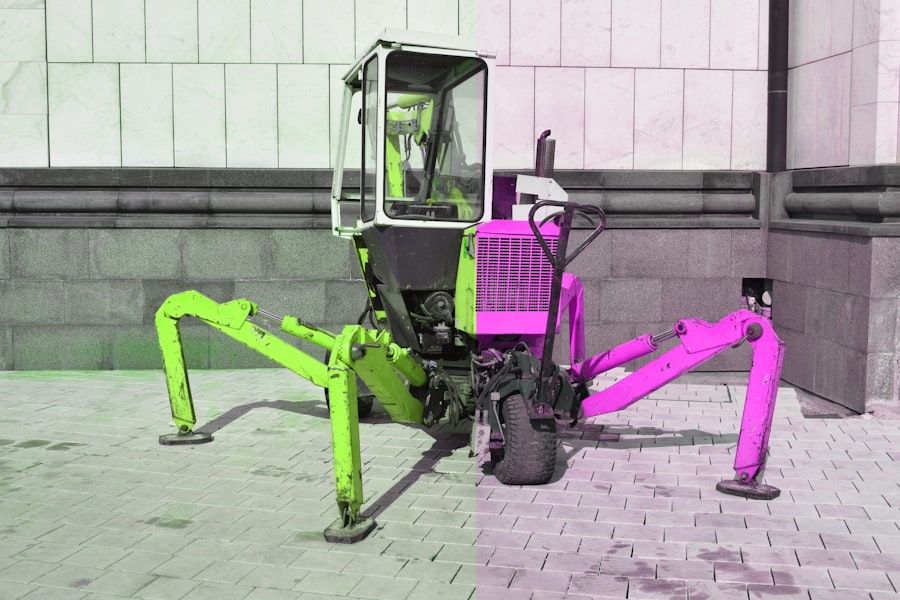
The rapid advancement of AI and robotics brings forth a myriad of ethical considerations that society must address. One significant concern revolves around accountability and transparency in decision-making processes. As AI systems become more autonomous, questions arise regarding who is responsible for their actions.
For instance, in scenarios where an autonomous vehicle is involved in an accident, determining liability can be challenging. This ambiguity necessitates a framework that clearly delineates responsibility among manufacturers, programmers, and users. Another pressing ethical issue pertains to bias in AI algorithms.
Machine learning models are trained on historical data, which may contain inherent biases reflecting societal prejudices. Consequently, if not carefully managed, AI systems can perpetuate or even exacerbate these biases in areas such as hiring practices or law enforcement. It is imperative for developers to implement rigorous testing and validation processes to ensure fairness and equity in AI applications.
As intelligent machines continue to evolve, fostering an ethical approach to their development and deployment will be crucial in building public trust and ensuring their positive impact on society.
The Role of Intelligent Machines in Healthcare and Medicine
| Metrics | Data |
|---|---|
| Number of AI-powered medical devices | Over 40 FDA-approved AI algorithms for medical use |
| AI’s impact on medical imaging | AI can improve diagnostic accuracy by 50% |
| AI’s role in drug discovery | AI can reduce drug development time by 30% |
| AI’s potential to personalise treatment | AI can analyse patient data to tailor treatment plans |
Intelligent machines are revolutionising healthcare and medicine by enhancing diagnostic accuracy, personalising treatment plans, and streamlining administrative processes. AI algorithms can analyse vast amounts of medical data, including imaging studies and patient records, to identify patterns that may elude human practitioners. For example, AI-driven diagnostic tools have shown promise in detecting conditions such as cancer at earlier stages than traditional methods, potentially saving lives through timely intervention.
Moreover, robotics plays a pivotal role in surgical procedures, where precision is paramount. Robotic-assisted surgeries allow for minimally invasive techniques that reduce recovery times and improve patient outcomes. Additionally, intelligent machines are being utilised in rehabilitation settings, providing tailored therapy programmes that adapt to individual patient needs.
As these technologies continue to advance, they hold the potential to transform not only how healthcare is delivered but also how patients experience their care.
The Advancements in Robotics and AI Technology
Recent advancements in robotics and AI technology have been nothing short of remarkable, driven by innovations in machine learning, natural language processing, and sensor technology. One notable development is the rise of deep learning techniques that enable machines to learn from vast datasets with minimal human intervention. This has led to significant improvements in areas such as image recognition and natural language understanding, allowing for more intuitive interactions between humans and machines.
Furthermore, advancements in robotics have resulted in the creation of more agile and adaptable robots capable of navigating complex environments. For instance, developments in soft robotics have led to the design of robots that can safely interact with humans and handle delicate objects without causing damage. These innovations are paving the way for robots to be deployed in diverse settings beyond manufacturing, including agriculture, logistics, and even domestic environments.
As technology continues to evolve at a rapid pace, the potential applications for robotics and AI seem boundless.
The Future of Intelligent Machines: Opportunities and Challenges
Looking ahead, the future of intelligent machines presents both exciting opportunities and formidable challenges. On one hand, the potential for increased efficiency and innovation across various sectors is immense. Intelligent machines can augment human capabilities, enabling us to tackle complex problems more effectively than ever before.
For instance, in climate science, AI can analyse environmental data to model climate change scenarios and propose sustainable solutions. Conversely, the challenges associated with this technological evolution cannot be overlooked. Issues such as job displacement due to automation remain a significant concern for many workers.
Additionally, as intelligent machines become more integrated into daily life, ensuring their security against cyber threats will be paramount. The potential for misuse or unintended consequences also raises questions about how society will manage these technologies responsibly. Balancing innovation with ethical considerations will be crucial as we navigate this transformative landscape.
The Integration of Robotics and AI in Everyday Life
The integration of robotics and AI into everyday life is becoming increasingly prevalent, influencing how we interact with technology on a daily basis. Smart home devices equipped with AI capabilities are now commonplace, allowing users to control various aspects of their homes through voice commands or mobile applications. From smart thermostats that optimise energy usage to robotic vacuum cleaners that autonomously navigate living spaces, these technologies enhance convenience and efficiency in our daily routines.
Moreover, AI-driven personal assistants have transformed how individuals manage their schedules and access information. These virtual assistants can perform tasks ranging from setting reminders to providing real-time updates on weather or traffic conditions. As these technologies continue to evolve, they are likely to become even more integrated into our lives, offering personalised experiences tailored to individual preferences.
However, this integration also raises questions about privacy and data security that must be addressed as we embrace these intelligent machines.
The Importance of Regulation and Governance in the Age of Intelligent Machines
As intelligent machines become increasingly embedded in society, the need for effective regulation and governance becomes paramount. Policymakers face the challenge of creating frameworks that promote innovation while safeguarding public interests. Establishing clear guidelines for the ethical use of AI and robotics is essential to ensure accountability and transparency in their deployment.
Furthermore, international collaboration will be crucial in addressing the global implications of AI technology. As countries develop their own regulations, there is a risk of fragmentation that could hinder progress or create disparities in access to technology. By fostering dialogue among nations and stakeholders from various sectors, it is possible to develop cohesive policies that promote responsible innovation while addressing ethical concerns.
In conclusion, the journey of robotics and AI from their historical roots to their current applications illustrates a profound transformation across multiple domains. While intelligent machines offer remarkable opportunities for advancement in industry, healthcare, and everyday life, they also present significant ethical challenges that require careful consideration. As we look towards the future, it is imperative that we navigate this landscape with a commitment to responsible governance and a focus on harnessing technology for the greater good.
In a recent article on Apple presenting its mixed reality glasses to the board of directors, the company showcased its latest advancements in technology. This development is just one example of the rapid progress being made in the field of robotics and AI. As intelligent machines become more prevalent in our daily lives, it is important to consider the implications and potential benefits of these innovations. The intersection of technology and artificial intelligence is shaping the future in ways we never thought possible.
FAQs
What is robotics and AI?
Robotics is the branch of technology that deals with the design, construction, operation, and use of robots. AI, or artificial intelligence, refers to the development of computer systems that can perform tasks that typically require human intelligence.
What are the potential benefits of robotics and AI?
Robotics and AI have the potential to improve efficiency, productivity, and safety in various industries. They can also help in performing tasks that are too dangerous or difficult for humans.
What are some examples of robotics and AI applications?
Some examples of robotics and AI applications include autonomous vehicles, industrial robots, medical robots, virtual assistants, and smart home devices.
What are the potential risks of robotics and AI?
Some potential risks of robotics and AI include job displacement, ethical concerns, and the potential for misuse or unintended consequences.
How are robotics and AI expected to impact the future?
Robotics and AI are expected to have a significant impact on various aspects of society, including the economy, healthcare, transportation, and daily life. They are also expected to drive innovation and create new opportunities for businesses and individuals.


 is a fascinating journey that spans several decades, marked by significant milestones and..)