

As we stand on the brink of a technological revolution, the emergence of artificial intelligence (AI) in code generation is reshaping the way we approach programming. The ability of AI to write code autonomously is not just a futuristic concept; it is a reality that is rapidly gaining traction in the software development industry. By leveraging machine learning algorithms and vast datasets, AI can now assist developers in creating efficient, error-free code at an unprecedented pace.
This transformation is not merely a trend; it signifies a fundamental shift in how we conceive and execute programming tasks. In this article, we will explore the multifaceted implications of AI code generation. We will delve into its evolution, the benefits it brings to developers, and the challenges that accompany its integration into our workflows.
As we navigate through these topics, we will also consider the ethical dimensions and the future landscape of programming in an AI-driven world. By understanding these elements, we can better appreciate the profound impact AI is having on our industry and our roles as developers.
Key Takeaways
- AI code generation is revolutionizing the way software is developed by automating the process of writing code.
- The evolution of programming has seen a shift from manual coding to higher-level languages and now to AI-generated code.
- AI is changing the programming landscape by increasing productivity, reducing human error, and enabling rapid prototyping.
- The benefits of AI code generation include faster development cycles, improved code quality, and the ability to handle complex tasks.
- Challenges and limitations of AI code generation include the potential for bias, lack of creativity, and the need for human oversight.
- Developers will play a crucial role in an AI-driven world by guiding and supervising AI-generated code, as well as focusing on higher-level problem-solving.
- Ethical considerations in AI code generation include ensuring fairness, transparency, and accountability in the use of AI-generated code.
- The future of programming will be heavily impacted by AI code generation, leading to increased efficiency, new job roles, and a shift in industry dynamics.
The Evolution of Programming
The Evolution of Programming
Programming has undergone significant transformations since its inception. Initially, coding was a laborious task that demanded meticulous attention to detail and a profound understanding of hardware limitations.
### The Rise of High-Level Languages
As we progressed through the decades, programming languages evolved from low-level assembly languages to high-level languages that abstracted many complexities. This evolution allowed for greater accessibility and efficiency, enabling more people to engage in software development.
### The Impact of Integrated Development Environments
The introduction of integrated development environments (IDEs) further revolutionized programming by providing tools that simplified coding tasks. Features like syntax highlighting, code completion, and debugging tools made it easier for developers to write and maintain code.
### The Paradigm Shift with AI
However, despite these advancements, programming still required significant manual effort and expertise. It was not until the advent of AI that we began to see a paradigm shift in how code could be generated and optimized.
How AI is Changing the Programming Landscape
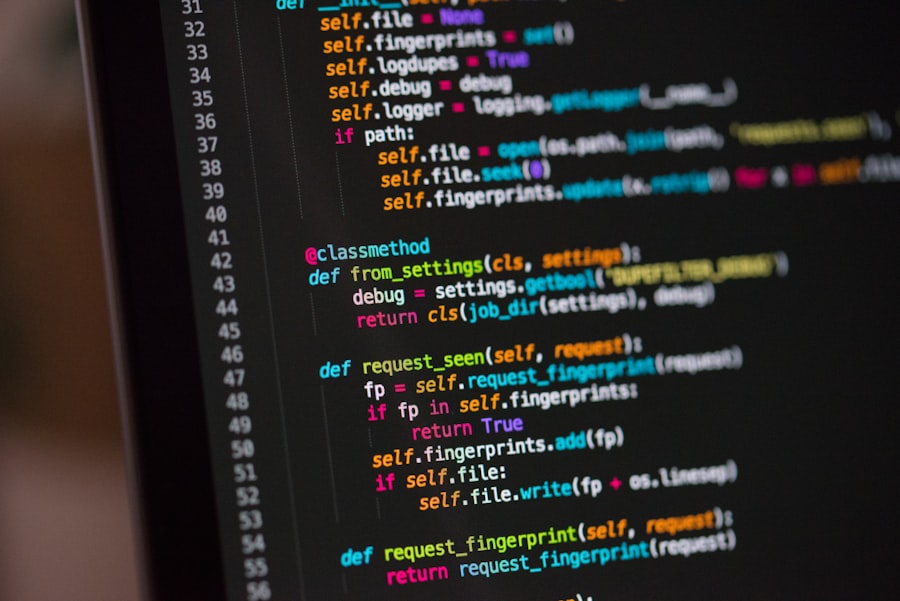
AI is fundamentally altering the programming landscape by automating various aspects of code generation and maintenance. Machine learning models trained on vast repositories of code can now analyze patterns and generate code snippets that are contextually relevant. This capability allows developers to focus on higher-level design and problem-solving rather than getting bogged down in repetitive coding tasks.
As a result, we are witnessing a significant increase in productivity and efficiency within development teams. Moreover, AI-driven tools are becoming increasingly sophisticated, capable of understanding natural language queries and translating them into functional code. This means that even those with limited programming experience can leverage AI to create applications or automate tasks.
The democratization of coding through AI opens up new opportunities for innovation and collaboration across various fields, as individuals from diverse backgrounds can contribute to software development without needing extensive technical training.
Benefits of AI Code Generation
| Benefits of AI Code Generation |
|---|
| 1. Increased productivity |
| 2. Reduced human error |
| 3. Faster development cycles |
| 4. Improved code quality |
| 5. Automated repetitive tasks |
The benefits of AI code generation are manifold, significantly enhancing our capabilities as developers. One of the most notable advantages is the speed at which code can be produced. With AI tools capable of generating boilerplate code or even complex algorithms in seconds, we can drastically reduce development time.
This acceleration allows us to bring products to market more quickly, respond to user feedback with agility, and stay ahead of competitors in an ever-evolving technological landscape. Additionally, AI can improve code quality by identifying potential bugs or vulnerabilities before they become problematic. By analyzing existing codebases and learning from past mistakes, AI systems can suggest improvements or flag issues that may have gone unnoticed by human developers.
This proactive approach not only enhances the reliability of software but also fosters a culture of continuous improvement within development teams.
Challenges and Limitations of AI Code Generation
Despite the numerous advantages that AI code generation offers, it is not without its challenges and limitations. One significant concern is the potential for over-reliance on AI tools, which may lead to a decline in fundamental programming skills among developers. As we become accustomed to relying on AI for code generation, there is a risk that we may lose touch with the underlying principles of programming, making it difficult to troubleshoot or innovate when faced with unique challenges.
Furthermore, while AI can generate code based on patterns it has learned, it may struggle with context-specific requirements or creative problem-solving. There are instances where human intuition and experience are irreplaceable, particularly in complex projects that require nuanced understanding or innovative thinking. As such, it is crucial for us to strike a balance between leveraging AI capabilities and maintaining our own expertise as developers.
The Role of Developers in an AI-Driven World

In an era where AI is becoming an integral part of the software development process, our role as developers is evolving. Rather than being mere code writers, we are transitioning into positions that require us to act as facilitators and overseers of AI-generated outputs. Our responsibilities now include curating datasets for training AI models, fine-tuning algorithms for specific applications, and ensuring that the generated code aligns with project goals and standards.
Moreover, collaboration between human developers and AI systems can lead to innovative solutions that neither could achieve alone. By embracing this partnership, we can harness the strengths of both human creativity and machine efficiency. This collaborative approach not only enhances our productivity but also fosters a culture of innovation within our teams as we explore new ways to leverage AI in our projects.
Ethical Considerations in AI Code Generation
As we embrace the capabilities of AI in code generation, it is essential to address the ethical considerations that arise from its use. One pressing concern is the potential for bias in AI-generated code. If the training data used to develop AI models contains biases or reflects societal inequalities, there is a risk that these biases will be perpetuated in the generated outputs.
This could lead to software that inadvertently discriminates against certain groups or fails to meet the needs of diverse users. Additionally, issues surrounding intellectual property rights come into play when using AI-generated code. As developers, we must navigate the complexities of ownership and attribution when utilizing AI tools that generate code based on existing works.
Establishing clear guidelines and ethical standards for the use of AI in programming will be crucial as we move forward in this rapidly evolving landscape.
The Future of Programming: AI Code Generation’s Impact on Industry
Looking ahead, the impact of AI code generation on the programming industry is poised to be profound. As these technologies continue to advance, we can expect even greater integration of AI into our development processes. This evolution will likely lead to new job roles focused on managing and optimizing AI systems rather than traditional coding tasks.
The demand for developers who can bridge the gap between human creativity and machine intelligence will increase significantly. Moreover, industries beyond software development will begin to recognize the potential of AI-driven coding solutions. From healthcare to finance, sectors that rely on complex algorithms will benefit from faster and more accurate code generation.
As we embrace this future, it is essential for us to remain adaptable and open-minded about our roles as developers in an increasingly automated world. In conclusion, while AI code generation presents exciting opportunities for enhancing productivity and innovation within programming, it also brings forth challenges that require careful consideration. By understanding its evolution, benefits, limitations, and ethical implications, we can navigate this transformative landscape with confidence and foresight.
As we look toward the future, let us embrace the potential of AI while remaining committed to our growth as skilled developers in an ever-changing industry.
There has been a recent surge in the development of AI code generation tools, which are revolutionizing the way software is created. These tools use machine learning algorithms to automatically generate code based on user input, significantly speeding up the development process. One related article discusses how Samsung has launched new models of smartphones suitable for everyone, showcasing the integration of AI technology in consumer electronics. To read more about this exciting development, check out the article here.


 in code generation is reshaping the way we..)