
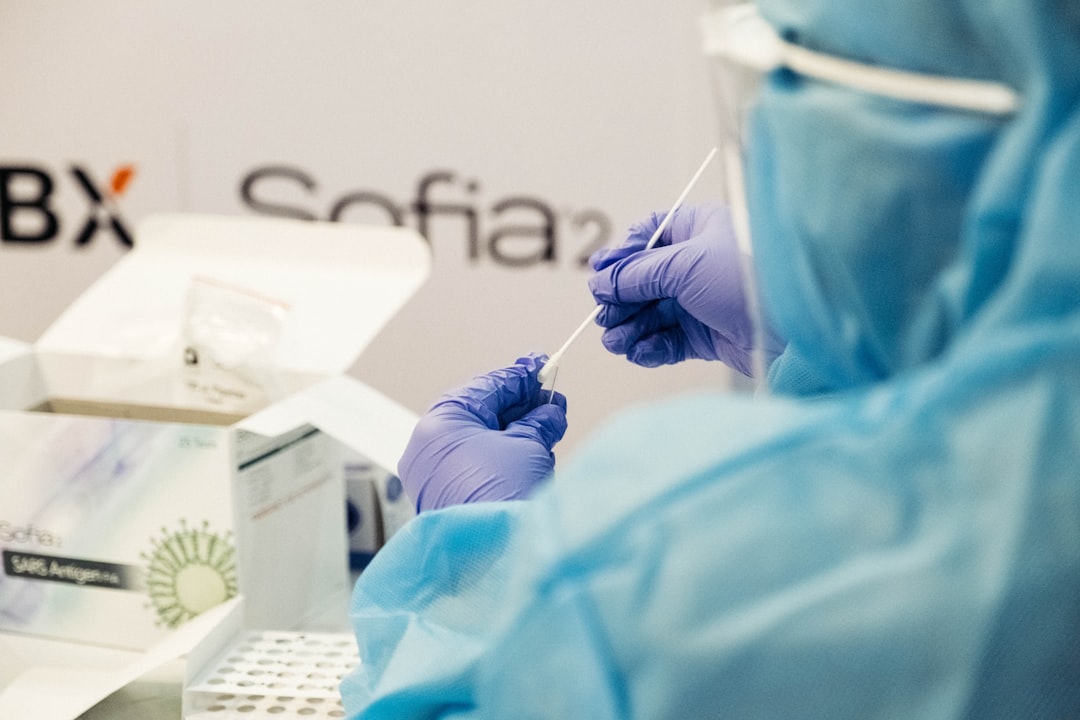
As we delve into the realm of pharmaceutical research and development (R&D), we find ourselves at the intersection of technology and healthcare, where artificial intelligence (AI) is making significant strides. The integration of AI into pharmaceutical R&D is not merely a trend; it represents a transformative shift that has the potential to revolutionize how we discover, develop, and deliver medications. By harnessing vast amounts of data and employing sophisticated algorithms, AI enables us to streamline processes, enhance decision-making, and ultimately improve patient outcomes.
The pharmaceutical industry has long been characterized by lengthy timelines and high costs associated with bringing new drugs to market. Traditional methods often involve extensive trial-and-error approaches, which can lead to inefficiencies and increased risk of failure. However, with the advent of AI technologies, we are beginning to see a paradigm shift.
AI can analyze complex biological data, predict drug interactions, and identify potential candidates for further development with unprecedented speed and accuracy. This not only accelerates the R&D process but also holds the promise of reducing costs significantly, making it an exciting time for both researchers and patients alike.
Key Takeaways
- AI is revolutionizing pharmaceutical R&D by accelerating drug discovery, clinical trials, personalized medicine, and drug repurposing.
- AI applications in drug discovery include virtual screening, molecular modeling, and predictive analytics to identify potential drug candidates.
- AI is improving clinical trials and patient recruitment by analyzing patient data, predicting patient responses, and optimizing trial designs.
- AI is enabling personalized medicine by analyzing genetic, clinical, and lifestyle data to tailor treatments to individual patients.
- AI is facilitating drug repurposing by identifying new therapeutic uses for existing drugs, saving time and resources in drug development.
AI Applications in Drug Discovery
In the realm of drug discovery, AI is proving to be a game-changer. We are witnessing a remarkable evolution in how we identify new drug candidates, thanks to machine learning algorithms that can sift through vast datasets to uncover hidden patterns. By analyzing chemical structures, biological activity, and even genetic information, AI can help us predict which compounds are most likely to succeed in clinical trials.
This predictive capability allows us to focus our resources on the most promising candidates, thereby increasing the efficiency of the drug discovery process. Moreover, AI-driven platforms are enabling us to explore novel therapeutic targets that may have been overlooked using traditional methods. For instance, deep learning techniques can analyze genomic data to identify mutations associated with specific diseases, leading us to potential new drug targets.
This approach not only accelerates the identification of viable candidates but also enhances our understanding of disease mechanisms. As we continue to refine these AI applications, we can expect a more robust pipeline of innovative therapies that address unmet medical needs.
AI in Clinical Trials and Patient Recruitment

The role of AI extends beyond drug discovery; it is also making significant contributions to the design and execution of clinical trials. One of the most pressing challenges in this area is patient recruitment, which often proves to be a bottleneck in the clinical trial process. By leveraging AI algorithms, we can analyze electronic health records and other data sources to identify suitable candidates for trials more efficiently.
This targeted approach not only speeds up recruitment but also ensures that we are enrolling patients who meet specific criteria, thereby enhancing the quality of our data. Additionally, AI can optimize trial design by predicting patient responses based on historical data. By simulating various trial scenarios, we can identify the most effective study designs and endpoints, ultimately leading to more successful outcomes.
This predictive modeling allows us to make informed decisions about trial parameters, reducing the likelihood of costly delays and failures. As we embrace these AI-driven methodologies, we are paving the way for more efficient and effective clinical trials that bring new therapies to patients faster.
AI in Personalized Medicine
| Metrics | Data |
|---|---|
| Number of AI applications in personalized medicine | Over 2000 |
| Global market size of AI in personalized medicine | Projected to reach 5.2 billion by 2025 |
| Percentage of healthcare providers using AI for personalized medicine | Around 30% |
| Improvement in treatment outcomes with AI in personalized medicine | Up to 50% |
Personalized medicine is another area where AI is making a profound impact. The traditional one-size-fits-all approach to treatment is gradually being replaced by tailored therapies that consider individual patient characteristics. By analyzing genetic information, lifestyle factors, and treatment responses, AI can help us develop personalized treatment plans that are more likely to succeed.
This shift towards precision medicine not only improves patient outcomes but also minimizes adverse effects by ensuring that patients receive therapies that are best suited to their unique profiles. Furthermore, AI can assist in monitoring patient responses in real-time, allowing for timely adjustments to treatment plans as needed. For instance, wearable devices equipped with AI algorithms can track vital signs and other health metrics, providing valuable insights into how patients are responding to therapy.
This continuous feedback loop enables us to make data-driven decisions that enhance the overall effectiveness of treatment regimens. As we continue to explore the potential of AI in personalized medicine, we are moving closer to a future where healthcare is truly individualized.
AI in Drug Repurposing
Drug repurposing is an innovative strategy that involves finding new uses for existing medications. This approach can significantly reduce the time and cost associated with bringing new therapies to market since these drugs have already undergone extensive testing for safety and efficacy. AI plays a crucial role in this process by analyzing existing drug databases and identifying potential new indications based on molecular similarities and biological pathways.
By leveraging machine learning algorithms, we can uncover unexpected relationships between drugs and diseases that may not have been apparent through traditional research methods. Moreover, AI can facilitate the rapid evaluation of existing drugs against emerging health threats, such as infectious diseases or rare conditions. In times of public health crises, such as the COVID-19 pandemic, the ability to quickly identify repurposable drugs can be invaluable.
By utilizing AI-driven approaches, we can expedite the search for effective treatments and potentially save countless lives. As we continue to refine our understanding of drug repurposing through AI, we are opening new avenues for therapeutic innovation.
Challenges and Limitations of AI in Pharmaceutical R&D
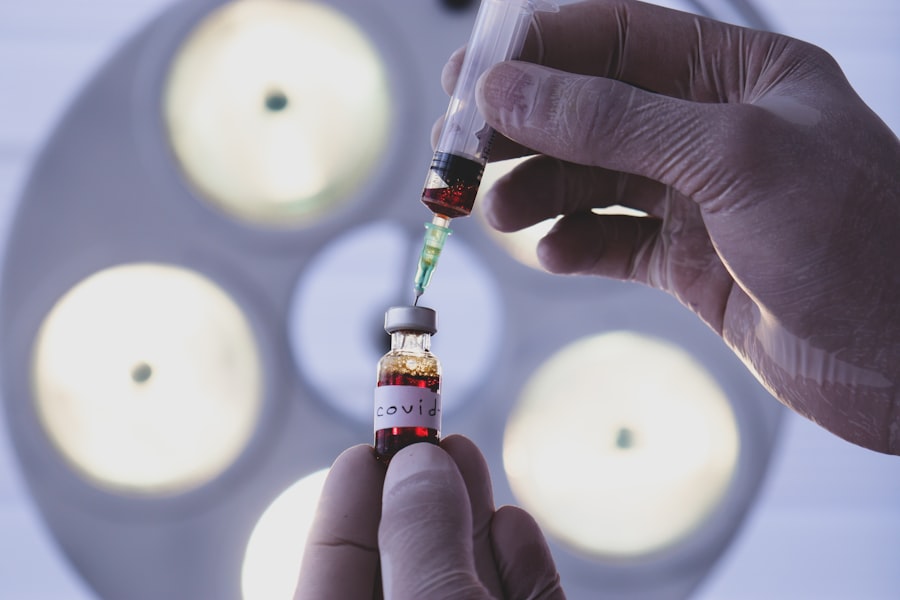
The Challenges of Implementing AI in Pharmaceutical R&D
Data Quality and Availability
Despite the promising advancements that AI brings to pharmaceutical R&D, we must also acknowledge the challenges and limitations that accompany its implementation. One significant hurdle is the quality and availability of data. While vast amounts of data exist within healthcare systems, much of it is unstructured or incomplete, making it difficult for AI algorithms to derive meaningful insights.
Data Integrity and Standardization
Ensuring data integrity and standardization is crucial for maximizing the potential of AI in this field. This is essential to enable AI algorithms to produce accurate and reliable results.
Many machine learning algorithms operate as “black boxes,” meaning that their decision-making processes are not easily understood by humans. This lack of transparency can pose challenges when it comes to regulatory approval and clinical adoption. We must strive for greater explainability in AI systems so that researchers and clinicians can trust their recommendations and understand the rationale behind them.
Future Outlook for AI in Pharmaceutical R&D
Looking ahead, the future of AI in pharmaceutical R&D appears bright. As technology continues to evolve, we anticipate even more sophisticated algorithms capable of processing complex datasets with greater accuracy and efficiency. The integration of AI with other emerging technologies, such as genomics and biotechnology, will further enhance our ability to develop targeted therapies that address specific patient needs.
Moreover, as regulatory frameworks adapt to accommodate AI-driven innovations, we expect to see increased collaboration between industry stakeholders, academic institutions, and regulatory bodies. This collaborative approach will foster an environment conducive to innovation while ensuring that safety and efficacy remain paramount. As we embrace this future landscape, we are poised to unlock new possibilities in drug development that will ultimately benefit patients around the world.
Ethical and Regulatory Considerations for AI in Pharmaceutical R&D
As we navigate the integration of AI into pharmaceutical R&D, ethical and regulatory considerations must remain at the forefront of our discussions. The use of AI raises important questions about data privacy, informed consent, and algorithmic bias. We must ensure that patient data is handled responsibly and transparently while safeguarding individual rights.
Establishing robust ethical guidelines will be essential in building trust among patients and stakeholders alike. Furthermore, regulatory bodies will need to develop frameworks that address the unique challenges posed by AI technologies. This includes establishing standards for data quality, model validation, and transparency in decision-making processes.
By proactively addressing these ethical and regulatory considerations, we can create a foundation for responsible AI use in pharmaceutical R&D that prioritizes patient safety while fostering innovation. In conclusion, as we reflect on the transformative potential of AI in pharmaceutical R&D, it becomes clear that we stand on the brink of a new era in healthcare innovation. By embracing these advancements while remaining vigilant about ethical considerations and regulatory frameworks, we can harness the power of AI to improve patient outcomes and revolutionize drug development for generations to come.
One interesting article related to AI for pharmaceutical R&D is “How to Build a Website for Your Business.” This article discusses the importance of having a strong online presence for businesses in today’s digital age. By utilizing AI technology, pharmaceutical companies can create user-friendly websites that provide valuable information to customers and potential clients. To learn more about building a website for your business, check out the article


, we find ourselves at the intersection of technology and healthcare,..)